 Whatcom County
 An Honest Conversation About LP SmartSide
If you've been shopping for siding in Whatcom County, you've probably run into LP SmartSide. It's a well-known engineered wood product, it's less expensive than fiber cement, and plenty of contractors install it. We don't. Not because it's a bad product in the abstract, but because after years of working on homes in Bellingham, Lynden, Ferndale, Blaine, and everywhere in between, we've seen how engineered wood siding actually holds up against our specific climate — and we'd rather be straight with you about that before you sign a contract than have you find out the hard way in year eight.
This page isn't a takedown. It's our reasoning, laid out plainly, so you can make an informed decision even if you end up choosing differently than we would.
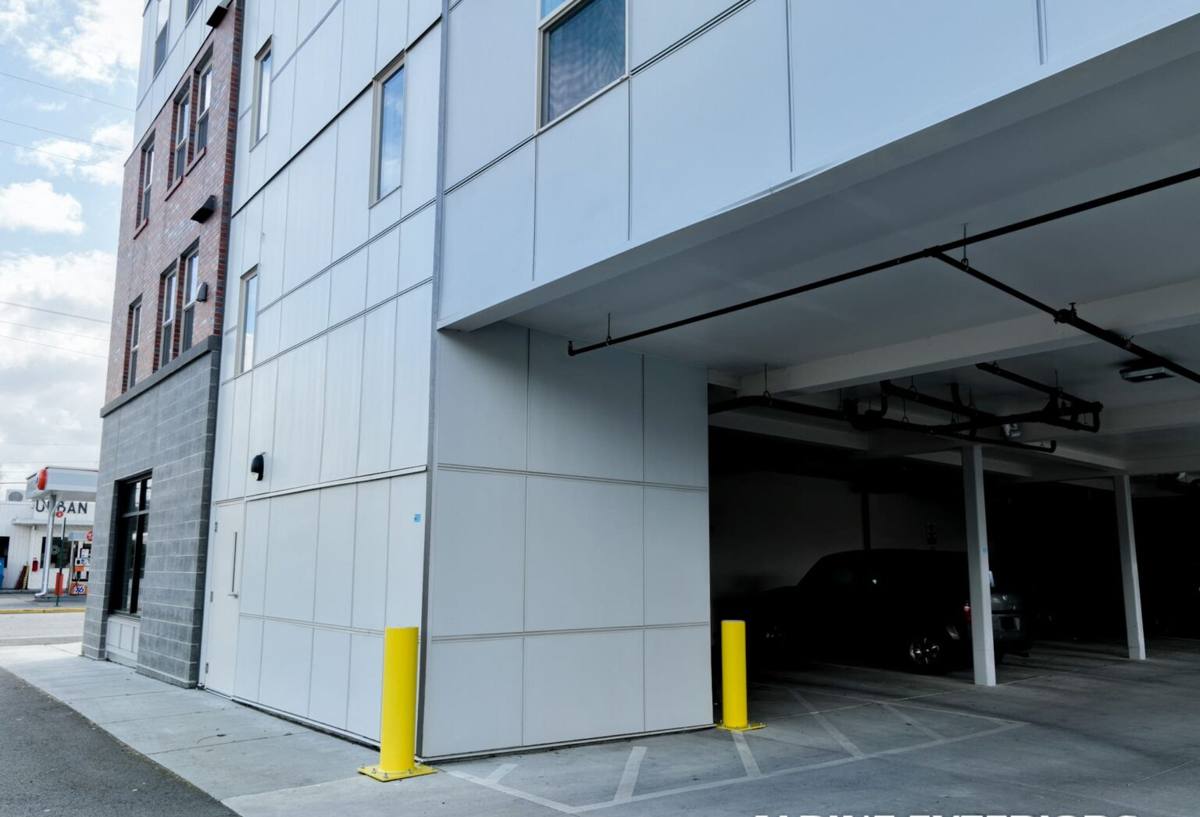
What LP SmartSide Actually Is
LP SmartSide is an engineered wood siding built from strand-based substrate — wood strands bonded with resins under heat and pressure, similar in concept to OSB but manufactured specifically for exterior cladding. LP treats the product with a proprietary process (SmartGuard) that includes zinc borate to resist fungal decay and insects, and the panels come pre-primed, ready for field painting.
Where It Gets Things Right
To be fair to the product, it has legitimate advantages:
- Lower material cost than fiber cement, which matters on tight budgets
- Lighter weight, which can speed up installation labor
- Good impact resistance for an engineered wood product — it holds up to hail and minor impacts reasonably well
- A more workable material for trim carpenters used to cutting and fastening wood products
- A 30- to 50-year limited warranty depending on the product line, which sounds substantial on paper
None of that is marketing spin — those are real, measurable strengths. If cost is the overriding factor and the site conditions are favorable, we understand why some homeowners and contractors choose it.
Where Our Climate Changes the Calculation
Whatcom County is not a forgiving place for wood-based siding. We get a genuinely long wet season, a marine layer that keeps humidity elevated for months, and — closer to the water in places like Blaine, Birch Bay, and the Bellingham waterfront — salt-laden air that accelerates wear on anything not built to shed moisture aggressively. Add in the shaded, damp yards common on wooded lots throughout the county, and you have ideal conditions for moss and algae growth on exterior surfaces for a good chunk of the year.
Moisture at the Edges
Engineered wood siding, LP SmartSide included, is still wood at its core. The manufacturer treats and seals the panels at the factory, but every cut edge made on-site — around windows, doors, corners, and utility penetrations — exposes raw substrate unless it's field-sealed correctly and consistently. In a dry climate, an installer who skips a step here might get away with it for years. In our climate, with rain most of the year and driving rain during winter storms, an unsealed or poorly caulked edge becomes a moisture entry point, and moisture is what strand-based wood products are most vulnerable to. Swelling, delamination, and soft spots at panel edges are the most common failure mode we see on engineered wood siding in this region, and it's almost always traceable back to an edge that wasn't sealed or a caulk joint that failed and was never caught.
Moss, Algae, and the Maintenance Burden
Our long moss season isn't just a roofing problem. Shaded siding, north-facing walls, and areas near mature trees stay damp longer here than almost anywhere else in the country. That means more frequent washing, more attention to caulk lines, and a repaint cycle that tends to run shorter than the factory finish would suggest — especially compared to a factory-applied finish designed to hold color and resist moisture without repainting.
Salt Air Near the Water
For homes closer to Bellingham Bay, Drayton Harbor, or the Strait, airborne salt accelerates the breakdown of paint films and fastener hardware alike. Painted wood-based products need that paint film intact to keep moisture out; once it starts to chalk or crack in a salt-air environment, the clock on substrate damage starts running faster than it would a few miles inland.
Product Comparison: What Homeowners Are Actually Weighing
| Factor | LP SmartSide (Engineered Wood) | James Hardie Fiber Cement |
|---|---|---|
| Core material | Wood strand substrate, resin-bonded | Cement, sand, and cellulose fiber — non-combustible |
| Moisture vulnerability | Higher at cut edges and failed caulk joints | Low; engineered to resist moisture-driven swelling |
| Fire performance | Combustible, treated for decay/insects only | Non-combustible, Class A fire rating |
| Finish | Field-applied or shop-primed; repaint cycle typically shorter | Factory-baked ColorPlus finish; longer color/finish life |
| Moss/algae resistance | Standard painted surface, no special resistance | Engineered finish holds up better to PNW moss and mildew exposure |
| Upfront material cost | Lower | Higher |
| Typical warranty structure | Limited, often prorated after early years | Non-prorated transferable warranty on most residential lines |
Neither column is "wrong." The table just makes clear where the real trade-offs sit, and in our climate, the moisture and finish-longevity rows carry more weight than they might in a drier region.
Installation Sensitivity Is the Real Issue
A lot of engineered wood siding problems aren't the product's fault outright — they're installation problems that the product is unforgiving of. Correct installation of LP SmartSide requires:
- Field-sealing every cut edge with the manufacturer-specified sealant, every time, with no shortcuts
- Proper flashing and weather-resistive barrier detailing behind every seam
- Correct fastener placement and spacing to avoid splitting or under/over-driving
- Maintaining minimum clearances from grade, decks, and roof lines to limit splash-back moisture
- A realistic repaint and recaulk schedule the homeowner actually follows
That's a lot of "every time, no shortcuts" for a product installed at scale on a job site, in our weather, often on a compressed schedule. Fiber cement isn't immune to installation mistakes either, but it's substantially more forgiving of the moisture-related ones, because the core material itself doesn't absorb and swell the way wood strand substrate can.
The Warranty Fine Print Worth Reading
LP's warranty on SmartSide products can look comparable to fiber cement warranties at a glance, but the conditions attached matter. Warranty coverage on engineered wood siding is frequently contingent on documented proper installation, including edge-sealing and maintenance schedules, and coverage for moisture-related damage can be reduced or prorated if those conditions weren't met and documented. That's not unique to LP — it's common across engineered wood siding warranties — but it means the "50-year warranty" headline number often carries more asterisks than homeowners expect when they're comparing products side by side.
Why We Standardized on James Hardie Instead
We made a decision a while back to install only James Hardie fiber cement siding, across every job, no exceptions. Here's the reasoning distilled:
- Non-combustible core — cement-based, not wood-based, which matters both for fire safety and for how the material handles our wet climate over decades rather than years
- ColorPlus factory finish — baked on at the factory under controlled conditions, holding color and resisting moss/mildew better than field-applied paint over the long term
- Climate-engineered product lines — Hardie's HZ product designations are engineered for specific climate zones, including the wet Pacific Northwest, rather than a one-size-fits-all approach
- Stronger, non-prorated warranty structure on most residential lines, transferable if you sell the home
- Proven longevity when installed to manufacturer spec — which is the other half of the equation, and why we train our crews specifically on Hardie's installation requirements rather than treating siding as interchangeable
We're not going to pretend fiber cement has zero downsides — it's heavier, costs more upfront, and requires carbide blades and dust control during cutting. But weighed against what we see fail and what we see hold up on homes throughout Whatcom County, it's the material we're willing to put our name behind.
What to Do If You Already Have LP SmartSide
If your home already has LP SmartSide installed, that's not an emergency — plenty of installations perform fine for years when the original install was done carefully and the home has been maintained. A few things worth checking periodically:
- Inspect caulk joints at panel seams, corners, and trim annually — look for cracking, gaps, or separation
- Watch for soft spots, swelling, or bubbling paint, especially at butt joints and lower courses near grade
- Keep gutters and downspouts functioning so water isn't sheeting down or pooling against siding
- Address moss and algae buildup on shaded walls before it holds moisture against the surface long-term
- Repaint on a realistic schedule rather than waiting for visible failure
If you're seeing swelling, soft edges, or repeated paint failure in the same spots, that's worth a professional look before it spreads.
Making the Right Call for Your Home
Every siding decision is a trade-off between upfront cost, long-term maintenance, and how much climate risk you're willing to carry. LP SmartSide isn't a scam or a shoddy product — it's a reasonable choice in the right conditions, made by real manufacturers with real engineering behind it. We simply concluded, after years of seeing how engineered wood and fiber cement age differently on homes exposed to Whatcom County's rain, salt air, and moss, that fiber cement is the better long-term bet for the homes we put our name on.
If you'd like a straightforward, no-pressure estimate — and an honest answer about what's actually right for your home and budget — we're happy to walk your property and talk through it. Fill out the form below to get started.