 Whatcom County
 Why Samish Decks Need to Be Built Differently
Samish sits in a stretch of Whatcom County where the weather doesn't do a homeowner any favors. You get marine air moving in off the water, driving rain that comes in sideways for days at a time, and a moss season that can stretch from late fall clear into spring. A deck built the way you'd build one in a dry inland climate simply doesn't hold up here. The wood cups, fasteners bleed rust down the boards, and moss finds every low spot and shaded corner within a year or two. We build decks for this specific set of conditions, not a generic set of blueprints pulled off a shelf.
A "custom" deck isn't just about the shape or the railing style you pick. Out here, custom also means matching the structure, the fastener hardware, and the decking material to what salt-laden, wet Pacific Northwest weather is actually going to do to it over the next 20 years.
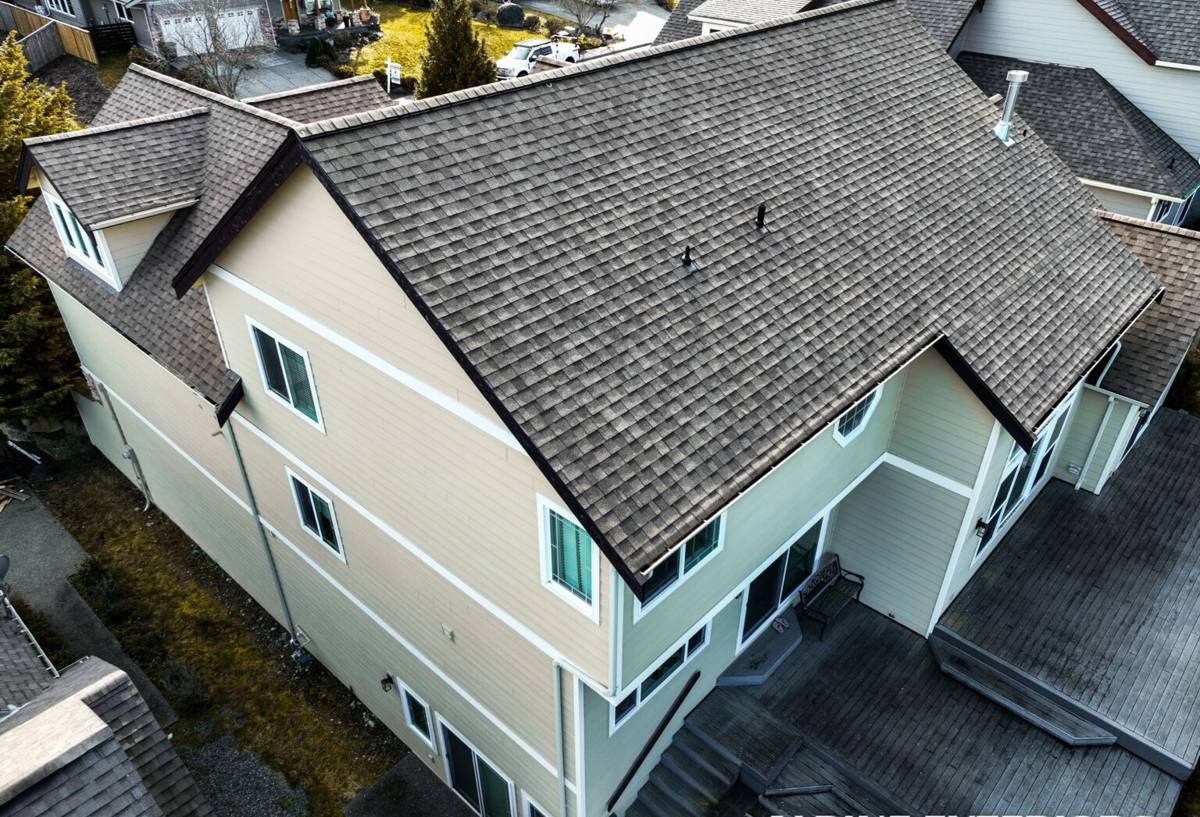
What Driving Rain and Salt Air Actually Do to a Deck
It helps to understand the failure points before you understand the fix.
Moisture Intrusion
Driving rain doesn't just fall on a deck — it gets pushed sideways into ledger boards, under railing posts, and into any joint that isn't properly flashed or sealed. Once water gets behind a ledger board or into an unprotected joist end, it doesn't dry out quickly in our climate. That's where rot starts, usually hidden from view until a board or post feels soft underfoot.
Salt Air and Corrosion
Homes closer to the water pick up airborne salt that settles on every exposed metal surface — fasteners, brackets, railing hardware. Standard interior-grade screws and joist hangers will streak and weaken faster here than they would twenty miles inland. Corroding hardware is one of the most common reasons an older deck in this area needs structural repair years before the decking boards themselves wear out.
Moss and Mildew
Shaded, damp decks in this part of the county grow moss fast, especially on north-facing surfaces or under tree cover. Moss holds moisture against the board surface, which accelerates wood decay and turns the deck slick and dangerous underfoot during the wettest months.
Choosing the Right Decking Material for Samish Conditions
There's no single "best" decking material for every home — it depends on your budget, how much maintenance you want to do, and how exposed the deck is to weather. Here's how the common options actually perform in a wet, salt-air climate like ours.
| Material | Moisture/Moss Resistance | Salt Air Behavior | Maintenance | Typical Lifespan |
|---|---|---|---|---|
| Capped Composite | Very good — doesn't absorb water or feed rot | No corrosion; hidden fasteners should still be stainless or coated | Periodic cleaning to keep moss/algae from taking hold | 25-30+ years |
| Cedar | Naturally rot-resistant but still needs sealing | No metal corrosion issue in the board itself | Annual cleaning and re-sealing/staining | 15-20 years with upkeep |
| Pressure-Treated Fir/Pine | Moderate — treatment protects against rot but surface still absorbs water | Fasteners must be rated for treated lumber to avoid accelerated corrosion | Regular sealing; moss removal in shaded areas | 12-20 years |
| Tropical Hardwood (e.g. ipe) | Excellent natural density resists rot and moss | Very durable but demands correct, corrosion-resistant fastening | Occasional oiling to maintain color; low rot risk without it | 25+ years |
For most Samish homeowners, capped composite decking is the practical choice — it shrugs off the wet, doesn't feed moss the way raw wood does, and skips the annual sealing routine. Cedar still has a place for homeowners who want a natural wood look and are willing to keep up with maintenance. Whatever you choose, the material is only half the equation — how it's fastened and framed underneath matters just as much.
Framing, Fasteners, and Footings Built for Wet Ground
This is the part of a deck build that doesn't show in photos but determines whether it's still solid in fifteen years.
- Ledger flashing: A properly flashed, sealed ledger connection keeps rain from wicking into the house rim joist — the single most common rot point on older decks we get called to inspect.
- Joist tape: Self-adhering flashing tape over the top of every joist keeps standing water from soaking into the wood through screw penetrations.
- Fastener grade: We use stainless steel or heavy hot-dip galvanized fasteners and hardware rated for both treated lumber and coastal-influenced air, not the cheapest hardware that happens to fit.
- Footings: Whatcom County's frost depth and often clay-heavy, poorly draining soil mean footings need to be sized and set correctly — undersized or shallow footings shift over a few wet winters.
- Drainage under the deck: Grading and, where needed, a drainage system underneath keeps water from pooling against posts and footings.
None of this is optional or an "upgrade" — it's the difference between a deck that needs board replacement in a decade and one that needs a wash and a railing inspection.
Railings, Fascia, and Trim That Hold Up to Moss Season
Railings and fascia boards take a disproportionate amount of weather because they're vertical and exposed on all sides. Wood railing posts embedded in or bolted near ground level are especially vulnerable to moisture wicking up from below. We favor post bases and connections that keep end grain away from standing water, and we match fascia material to the decking so it weathers evenly instead of becoming the first thing that needs replacing. Composite or PVC trim resists the moss staining that shows up fastest on painted wood fascia in shaded, damp conditions.
Our Process for a Samish Deck Build
Every job follows the same sequence, whether it's a small landing off a kitchen door or a full multi-level deck.
- On-site assessment: We look at sun/shade exposure, drainage, existing structure (for replacements), and how the deck ties into the house.
- Design and material selection: Layout, railing style, and decking material chosen based on your budget, maintenance preference, and the site's exposure to rain and salt air.
- Permitting: We handle the Whatcom County permit application and inspection scheduling so it's built to code from the footings up.
- Framing: Footings, posts, ledger flashing, joist tape, and corrosion-resistant hardware installed before a single deck board goes down.
- Decking and railings: Installed per manufacturer spacing and fastening specs — critical for composite products, which expand and contract with temperature and moisture.
- Final walkthrough: We check every fastener, railing connection, and drainage point before calling it finished.
Permits, Codes, and Local Considerations
Whatcom County requires permits for most new deck construction and many significant deck replacements, with inspections tied to footing depth, railing height, guard spacing, and structural connections. Skipping this step — or hiring someone who does — can create real problems at resale, since an unpermitted deck often has to be brought up to code (or removed) before a sale closes. We pull permits as a standard part of the job, not an add-on.
Maintenance: Keeping a Samish Deck Moss-Free Year-Round
Whatever material you choose, a little seasonal attention goes a long way in this climate.
- Sweep debris and standing leaves off the deck surface regularly through fall — trapped organic matter is what feeds moss growth.
- Rinse or lightly scrub shaded, north-facing sections a few times over the wet season, since they dry out slowest.
- Check railing posts and fastener heads once a year for early signs of rust bleed or loosening.
- Keep gutters and downspouts near the deck clear so runoff isn't dumping extra water onto the structure.
- For wood decks, plan on resealing or restaining on the schedule the product calls for — skipping a cycle in our climate shows up fast.
Why a Crew That Already Works Samish Matters
A contractor who mostly builds decks in drier parts of the state can still build something that looks right on the day it's finished. The difference shows up two or three winters later — in whether the ledger flashing was detailed correctly for driving rain, whether the hardware was rated for salt-laden air, and whether the footings were sized for the soil and frost conditions here rather than somewhere else. We build and repair decks throughout Whatcom County, including the Samish area, so the fastener grade, drainage detailing, and material choices on your deck aren't guesses — they're what we already know holds up on homes like yours.
If you're planning a new deck or replacing one that's showing its age, we're happy to come take a look and talk through honest options for your site and budget. Fill out the form below for a free, no-pressure estimate.