 Whatcom County
 Window Installation for Ferndale, Washington
Ferndale sits close enough to Bellingham Bay and the Strait of Georgia that salt-laden air is a fact of life, not an occasional nuisance. Add the driving, wind-pushed rain that comes off the water most of the year and the long gray stretch from October through April when moss and algae get a foothold on anything shaded or damp, and you have a climate that is genuinely hard on window assemblies. Window installation here isn't just about picking a style you like — it's about getting the flashing, sealants, and material choices right for a specific set of conditions. This page covers what that actually looks like for a Ferndale home.
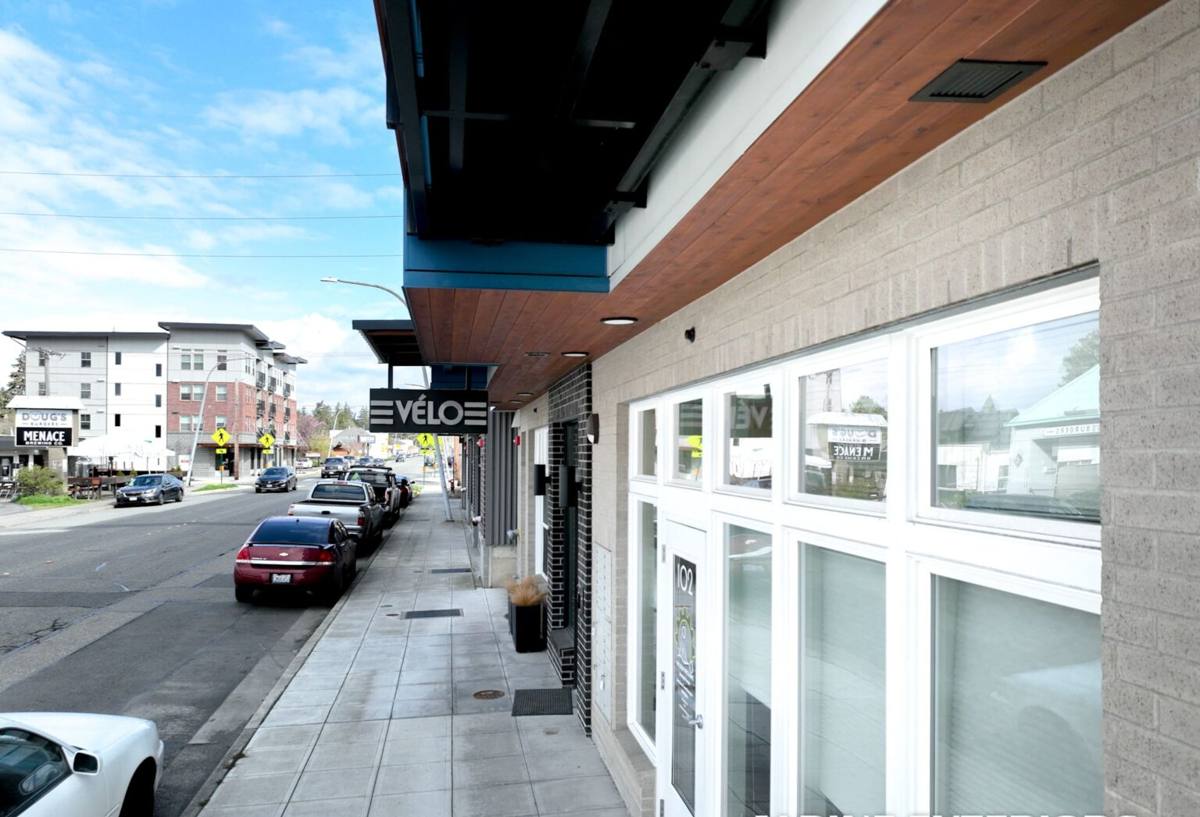
What Whatcom County's Climate Does to Windows Over Time
Most window failures we see in this area aren't the glass unit failing — it's what's happening around the window, in the framing and flashing, that causes the real damage.
Salt Air and Corrosion
Airborne salt accelerates corrosion on unprotected fasteners, hinges, and cheaper cladding finishes. Over years, that shows up as pitting on hardware, streaking on trim, and, in the worst cases, corrosion working its way into the fastening points that hold a window in its opening. It's a slower process than it sounds, but it's steady, and it's part of why hardware selection matters more here than it would inland.
Driving, Wind-Driven Rain
Ferndale gets a lot of rain that doesn't fall straight down — wind pushes it sideways and up under trim, sills, and poorly lapped flashing. A window that would perform fine in a calmer climate can leak here if the water management details around it were done wrong, even if the window unit itself is high quality. This is the single biggest cause of the water stains and soft framing we get called out to look at.
Moss, Algae, and Prolonged Moisture
The long wet season means anything that stays damp — north-facing walls, shaded corners, areas with poor sun exposure — grows moss and algae readily. Around windows, that moisture retention softens wood trim, degrades caulk faster than the manufacturer's stated lifespan, and creates conditions where rot can start behind sills before it's visible from outside.
Signs a Ferndale Home Needs New Windows or a Reinstall
- Visible gaps, cracked caulk, or daylight around the window frame
- Soft or spongy trim or sill wood when pressed
- Fogging or a permanent haze between panes (failed seal on the insulated glass unit)
- Drafts you can feel near the window even when it's fully latched
- Difficulty opening, closing, or locking — often a sign the frame has shifted or swollen
- Staining or discoloration on interior drywall below or beside the window
- Visible corrosion on exterior hardware, screws, or cladding fasteners
- A noticeable jump in heating costs with no other explanation
What a Correct Window Installation Actually Involves
Window installation done right is mostly invisible once it's finished — you can't see good flashing work from the curb. But it's the part of the job that determines whether the window performs for twenty-plus years or starts leaking in five.
Removal and Opening Prep
Once the old window is out, the rough opening gets inspected for rot, soft framing, or prior water damage before anything new goes in. Installing a new window into a compromised opening just seals the problem behind new trim — it doesn't fix it. Any damaged framing gets addressed first.
Flashing and Weather Barrier Integration
This is the step that matters most in a climate like ours. The window needs to be integrated into the wall's water-resistive barrier in the correct shingle-lap order — sill flashing first, then the window, then jamb flashing, then head flashing, each one lapping over the layer below so water is always directed outward and down, never trapped behind the siding. Skipping or reversing this sequence is the most common cause of hidden leaks we find in older Ferndale homes.
Sealant and Backer Rod
Exterior sealant is a backup to good flashing, not a substitute for it. We use sealants rated for exterior exposure and UV, with backer rod set at the correct depth so the sealant can flex with temperature and moisture changes instead of cracking within a couple of seasons.
Shimming, Leveling, and Fastening
A window that isn't shimmed level and square will bind, won't latch cleanly, and puts uneven stress on the seals — which shortens the life of the whole unit. Fasteners go through the manufacturer's specified nailing fin or frame points, not wherever's convenient.
Interior and Exterior Trim
Once the window is set, insulated, and air-sealed around the frame (not just caulked at the surface), trim goes back on and any siding disturbed during the swap is reintegrated so the water management plane stays continuous.
Choosing Materials for a Salt-Air, High-Rain Climate
There's no single "correct" window material — the right choice depends on your budget, your home's age and style, and how much upkeep you want to take on. Here's how the common options actually perform in this climate.
| Material | Moisture & Salt-Air Performance | Maintenance | Typical Fit |
|---|---|---|---|
| Vinyl | Won't rot or corrode; performs well in coastal air | Low — occasional cleaning | Most homes; strong value |
| Fiberglass | Very stable in temperature and moisture swings; low expansion | Low | Homes wanting a slimmer frame profile or paintable finish |
| Wood-clad (vinyl or aluminum exterior) | Good if the exterior cladding and flashing are done correctly; interior wood adds warmth | Moderate — exterior clad is low-upkeep, but any breach in the cladding exposes wood beneath it | Traditional or historic-style homes |
| Aluminum | Prone to corrosion in salt air unless it's a marine-grade or well-finished product | Moderate to high | Rarely our first recommendation this close to the water |
We steer most Ferndale clients toward vinyl or fiberglass for the exterior-facing performance in this climate, and we're upfront when a wood-clad or aluminum option carries more long-term maintenance than a homeowner may want to sign up for — that's a trade-off you should make with full information, not one we make for you.
Energy Performance for This Climate
Whatcom County's Pacific Northwest climate isn't the coldest in the country, but it is persistently damp and mild, which changes the priorities for window ratings compared to a hot, dry, or extreme-cold climate.
- U-Factor: Lower is better for heat retention — this matters more here than solar heat gain, since we don't get the intense sun load of drier climates.
- SHGC (Solar Heat Gain Coefficient): Moderate values work well; we don't need to reject heat as aggressively as a desert climate would.
- Air Leakage Rating: Look for a low air infiltration rating — with our wind patterns, a window with a poor seal will feel drafty even when it's fully closed and latched.
- Condensation Resistance: A meaningful factor in our humidity — a poorly rated window will fog or sweat on the interior during cold, damp stretches.
Our Installation Process
- On-site assessment — we look at your existing windows, framing condition, and any signs of past water intrusion before quoting anything.
- Honest recommendation — full-frame replacement versus insert (pocket) replacement, and which material fits your home and budget.
- Written estimate — clear line items, no vague allowances.
- Scheduling around weather — we plan installs to minimize how long any opening sits exposed, which matters more here than in drier climates.
- Removal, inspection, and any needed framing repair — done before the new window goes in, not glossed over.
- Proper flashing, insulation, and air-sealing — the steps described above, done in the correct order every time.
- Final check — operation, locking, and a visual seal check before we consider the job done.
What Affects Window Installation Cost
| Factor | Why It Matters |
|---|---|
| Full-frame vs. insert replacement | Full-frame costs more but is often necessary when the existing frame or flashing is compromised — which is common in older Ferndale homes |
| Material (vinyl, fiberglass, wood-clad) | Material and glass package are usually the largest line item |
| Number of openings and sizes | Larger or custom-sized windows cost more than standard sizes |
| Condition of the existing opening | Rot or water damage found during removal adds repair scope |
| Access and story height | Second-story or hard-to-access windows take more labor time |
| Glass package | Upgraded low-E coatings or gas fills add cost but improve performance in our climate |
Costs vary widely based on these factors, which is exactly why we give a real, itemized estimate after seeing the home rather than a number over the phone.
Why a Local Whatcom County Crew Matters
Window installation is a trade where local experience shows up directly in the outcome. A crew that works this area regularly knows how our wind-driven rain behaves against different wall orientations, has already seen what salt air does to hardware over ten and twenty years, and understands how moss and moisture patterns differ between an open, sun-exposed wall and a shaded north side. That's not something you get from a national install team passing through on a regional route — it comes from doing this work, on homes like yours, in this specific climate, year after year. It also means we're still around if a question comes up two years after the install, not a phone number that changes with the next franchise territory.
If you're weighing a repair against a full replacement, or just want a straight answer about what your Ferndale home's windows actually need, we're happy to take a look and give you a free, no-pressure estimate. Use the form below to get started.