 Whatcom County
 Asphalt Shingle Roofing in Sehome: Built for Bellingham's Wet, Salty Climate
Sehome is one of Bellingham's older, established central neighborhoods, rising up toward Sehome Hill with a mix of homes from different decades sitting close together on shaded, sometimes sloped lots. A lot of those roofs are original or are on their second or third generation of shingles, and the neighborhood's tree cover and proximity to the water mean the roofing here works harder than it would in a drier, more open part of the county. We install and repair asphalt shingle roofing for homes throughout Sehome, and the approach we take is shaped directly by what this specific climate and this specific neighborhood do to a roof over time.
Asphalt shingle roofing is still the right call for most homes in this area. It's a proven, well-understood product, it's available in options built specifically for wet, moss-prone climates, and it gives homeowners a reasonable balance of upfront cost, appearance, and service life. The difference between a shingle roof that holds up for its full rated life in Sehome and one that fails early almost never comes down to the shingle brand. It comes down to installation details that either account for this climate or ignore it.
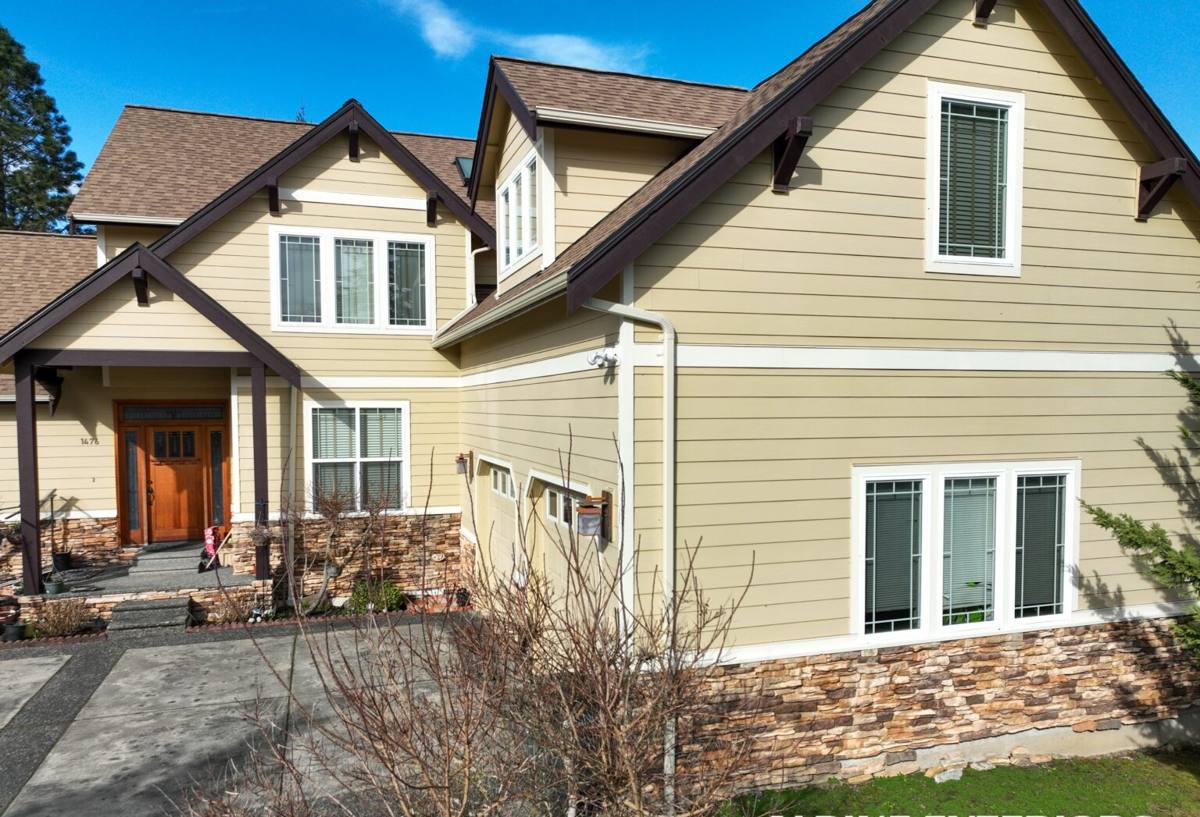
What Salt Air, Driving Rain, and Moss Actually Do to a Sehome Roof
Salt Air Off the Sound
Sehome sits inland of the immediate waterfront but still well within the reach of the salt-laden air that moves through Bellingham off the Salish Sea. Salt speeds up corrosion on exposed fasteners, drip edge, and flashing, and it wears down lower-grade metal components faster than they'd wear in an inland, drier climate. Any roofing job in this area should use fasteners and flashing rated for that exposure, not standard-grade hardware that's fine in other parts of the state but shortens its own life here.
Driving, Wind-Blown Rain
Rain in this part of Washington rarely falls straight down. It comes in on wind, which pushes water sideways into roof valleys, up under shingle tabs, and around chimneys, vents, and roof-to-wall transitions rather than simply running off a sloped surface. That directional load is a bigger factor in how a roof performs here than the total annual rainfall number suggests, and it's exactly where roofs with weak flashing or aging underlayment start to leak first.
A Long Moss and Algae Season
Sehome's mature tree canopy and hillside terrain create a lot of shaded, slow-to-dry roof area, and mild, damp conditions for much of the year give moss and algae a long growing season. North-facing slopes, valleys, and anything under overhanging branches tend to grow moss first. Once it takes hold, moss holds moisture directly against the shingle surface and can work its way under shingle edges, lifting them and creating a path for water that wasn't there when the roof was new.
Why Asphalt Shingles Still Make Sense in This Climate
Asphalt shingles aren't the only roofing option, and they're not automatically the right one for every home. But for most Sehome roofs, a well-specified architectural shingle, installed correctly, holds up well against this climate's moisture and moss pressure while staying in a reasonable cost range. The key word is "well-specified" — not every asphalt shingle product is built with a wet, moss-prone climate in mind, and the difference matters more here than it would in a drier region.
| Shingle Type | Moss & Moisture Behavior | Typical Maintenance | Realistic Lifespan in Sehome |
|---|---|---|---|
| Standard three-tab | Thinner profile, seals less reliably against wind-driven rain | More frequent inspection, earlier moss issues | 15-20 years |
| Architectural (laminated) | Thicker, better wind seal, holds up well with proper ventilation | Periodic moss removal and gutter checks | 25-30 years |
| Algae/moss-resistant granule shingle | Copper or zinc granules resist moss and algae growth longer | Lower moss maintenance over time | 25-30+ years |
| Impact/wind-rated architectural | Reinforced for higher wind uplift resistance | Standard | 25-30 years |
For most homes in Sehome, we recommend an architectural shingle with algae-resistant granules as the baseline, not an upgrade. Given how much shade and moisture this neighborhood sees, that granule technology tends to pay for itself in reduced moss maintenance and a longer effective service life.
What a Correct Asphalt Shingle Roof Actually Involves
Shingles get most of the attention, but they're the last layer installed, not the layer doing most of the work. A roof that fails early in this climate almost always failed underneath the shingles, not because the shingles themselves were defective. On every asphalt shingle job, that means treating the following as the baseline, not an upsell:
- Underlayment rated for sustained moisture exposure, installed with proper overlap at every seam
- Ice-and-water shield at eaves, valleys, and other areas where water and debris tend to collect
- Properly lapped and sealed step flashing and counterflashing at every chimney, wall transition, and roof penetration
- New pipe boots and vent flashing rather than reusing worn components from the old roof
- Balanced attic and roof deck ventilation so moisture escapes instead of getting trapped under the deck
- Corrosion-resistant fasteners and drip edge suited to this area's salt air exposure
- Correct nailing pattern and shingle exposure per the manufacturer's wind-rating specification
None of these add much to the total cost of a job relative to the shingles themselves. Skipping them is what turns a twenty-five-year roof into a fifteen-year roof, and it's usually invisible on install day — the shortcuts only show up two or three wet seasons later, as a leak at a valley or a soft spot near a chimney.
How We Approach an Asphalt Shingle Roofing Job in Sehome
Inspection and Scope
We start by getting on the roof, not just looking at it from the ground. That means checking the condition of the roof deck, the state of existing flashing, how much moss and shade exposure different slopes get, and whether there's any sign of moisture already in the deck or attic. That inspection determines whether the job is a repair or a full replacement, and it shapes exactly what the new roof needs at each valley, penetration, and transition.
Tear-Off and Deck Assessment
For a full replacement, we remove the old roofing down to the deck rather than layering over it. That lets us actually see the deck condition, replace any soft or water-damaged sheathing, and confirm ventilation is set up correctly before anything new goes down. Overlaying a new layer of shingles on top of an old one can hide exactly the kind of deck damage this climate tends to cause.
Underlayment, Flashing, and Ventilation
This is where most of the long-term performance of the roof gets decided. We install underlayment and ice-and-water shield rated for this climate's moisture load, rebuild flashing at every chimney, valley, and wall transition rather than reusing old metal, and confirm intake and exhaust ventilation are balanced across the attic space. On a shaded, tree-covered lot like a lot of Sehome properties, ventilation that lets the deck dry out between rain events matters as much as keeping water out in the first place.
Shingle Installation
Shingles go down following the manufacturer's specified nailing pattern and exposure, which is what the wind rating actually depends on. We use algae-resistant products as the standard given this neighborhood's shade and moisture exposure, and we pay particular attention to valley weaving, starter course installation along eaves and rakes, and hip and ridge cap detailing, since those are common places for a rushed install to leave a weak point.
Cleanup and Final Walkthrough
We run a magnetic sweep for stray nails, clear debris from gutters and the yard, and walk the finished roof with you to point out what was done and why, including any deck repairs or flashing upgrades that weren't visible from the ground before the tear-off.
Signs a Sehome Roof Needs Attention
- Moss buildup in valleys or on shaded slopes that comes back quickly after cleaning
- Granules collecting in gutters or at the base of downspouts
- Curling, cupping, or missing shingles, especially after a windstorm
- Water staining on interior ceilings near exterior walls or around chimneys
- Daylight visible through the roof deck when viewed from inside the attic
- Soft spots or noticeable give when the roof surface is walked on
- Flashing that looks lifted, rusted, or missing sealant
Any one of these on its own is worth a professional look. Several of them showing up together, especially on a roof that's already past 20 years old, usually means it's time for a real conversation about repair versus replacement rather than another round of patchwork.
Repair or Replace? How We Help You Decide
Not every roofing problem on a Sehome home calls for full replacement, and we don't default to recommending one. We look at the roof's age, how much of the surface is affected, whether the deck underneath has moisture damage, and how many prior repairs it's already had. A localized leak on an otherwise sound roof is usually a straightforward repair. A roof nearing the end of its rated life, with moss-related damage spread across multiple slopes or deck damage from long-term moisture, is more honestly addressed with replacement than another patch that won't hold through the next wet season. We'll walk you through what we actually find on the roof and explain the trade-offs plainly, rather than steering you toward whichever option happens to be more profitable for us.
Cost Factors for Asphalt Shingle Roofing
| Factor | Why It Matters |
|---|---|
| Roof size and pitch | More surface area and steeper pitches take longer and require more material and safety setup |
| Number of valleys, chimneys, and penetrations | Each one needs custom flashing work, which is labor-intensive and important to get right |
| Deck condition | Water-damaged sheathing found during tear-off adds material and labor to replace |
| Shingle grade selected | Standard three-tab, architectural, and algae-resistant products carry different material costs |
| Tear-off vs. overlay | We tear off rather than overlay, which is more labor but avoids hiding existing deck problems |
| Access and lot conditions | Steep or heavily shaded Sehome lots can affect staging, safety setup, and site protection |
Exact numbers depend on the specific roof, so we walk the property and give a real, itemized estimate rather than quoting off a generic price list over the phone.
Why a Crew That Already Works in Sehome Matters
A crew that regularly works roofs across Whatcom County, and specifically in neighborhoods like Sehome, sees how salt air, wind-driven rain, and moss actually behave on real houses over years, not just how a shingle performs on a manufacturer's data sheet. That translates into practical decisions on your job: knowing which roof orientations on Sehome's sloped, tree-covered lots need extra ventilation or moss-resistant granules, how much ice-and-water shield a given valley genuinely needs, and which flashing details are worth the extra time on install day so you're not dealing with a callback two winters later. It also means someone who treats Bellingham's marine climate as the baseline assumption for every job, not an afterthought.
Get a Free, No-Pressure Estimate
If your Sehome roof needs an inspection, a repair, or you're weighing a full asphalt shingle replacement, we're glad to take a look and give you a straightforward, honest read on what it actually needs. Reach out using the form below to schedule a free estimate, no pressure, no upsell script.