 Whatcom County
 Why Decks in Bellingham Wear Out Faster Than People Expect
Bellingham sits right on Bellingham Bay, which means most homes in and around the city deal with a combination most inland towns never see: salt-tinged air off the water, long stretches of driving rain in fall and winter, and a moss season that can run half the year. Individually, none of those are unusual for Whatcom County. Together, on an outdoor deck that's exposed to weather from every angle, they add up fast.
A deck isn't like siding or a roof that sheds water in one direction. It's a horizontal surface that collects rain, holds moisture against fasteners and framing, and gets walked on while it's wet, mossy, or frozen. When we get called out to look at a deck that's failing years before it should, the cause is almost always some combination of trapped moisture, undersized or corroding hardware, and boards that were never given a way to dry out between storms.
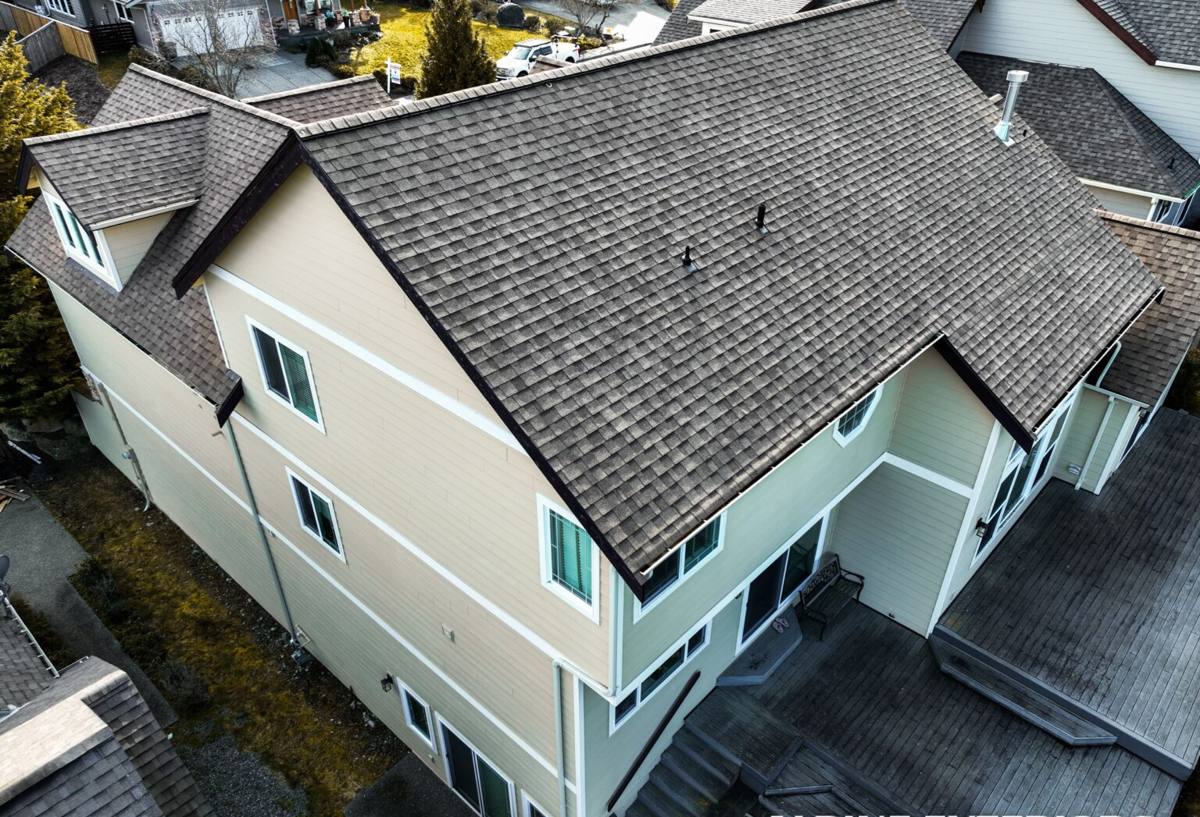
Signs a Deck Needs Replacement, Not Just Repair
Homeowners often ask us to replace a few soft boards, only to find out the problem runs deeper. Some signs mean the whole structure — not just the surface — needs attention:
- Soft, spongy, or spring-back decking when you walk across it
- Visible rot or dark staining around post bases, stair stringers, or the ledger board where the deck meets the house
- Persistent moss or algae film that comes back within weeks of cleaning
- Rust streaks below fastener heads or joist hangers
- Railings or stairs that feel loose or wobble under normal use
- Gaps between decking boards that have closed up or reversed, trapping debris and water
If more than one of these shows up at once, it's usually a sign the framing and connections — not just the top boards — have been absorbing moisture for years. Surface repairs on a compromised structure don't hold up long in this climate; they just delay a bigger problem.
What a Correct Deck Replacement Actually Involves
The Structure Comes First
The visible decking is the least important part of a replacement from a longevity standpoint. What actually determines how long a new deck lasts in Whatcom County's climate is what's underneath: footings set below frost depth and bearing on solid soil, properly sized joists and beams for the span, and a ledger board that's flashed correctly so water can't run behind it into the house rim joist. A poorly flashed ledger is one of the most common hidden failure points we find on older decks here — it looks fine on the surface for years before rot shows up.
Fasteners and Hardware
Coastal air accelerates corrosion on standard fasteners. Joist hangers, structural screws, and post hardware should be rated for the wood treatment being used and for exterior/coastal exposure — mismatched metals or under-spec hardware is a slow-motion failure that's easy to avoid at build time and expensive to fix later.
Drainage and Airflow
Decking boards need consistent spacing to shed water and allow air movement underneath. Framing should be built or wrapped to shed water away from joists rather than letting it pool on top of them. On ground-level or low-clearance decks, we also look at grading and airflow beneath the structure, since stagnant, shaded moisture underneath is exactly what feeds moss and mildew growth on the surface above.
Choosing Decking Material for This Climate
There's no single "best" decking material — there's a best fit for how the deck is used, how much upkeep the homeowner wants to do, and budget. Here's how the common options actually compare for a Bellingham-area home:
| Material | Upkeep in this climate | Typical lifespan | Trade-offs |
|---|---|---|---|
| Pressure-treated wood | Annual cleaning, periodic staining/sealing | 15-20 years with upkeep | Lowest upfront cost, but moss and graying show fastest without regular maintenance |
| Cedar | Regular sealing to prevent silvering and moisture uptake | 15-20 years | Natural rot resistance, but softer wood needs consistent care in wet weather |
| Composite decking | Occasional washing, no staining/sealing | 25-30+ years (varies by product/warranty) | Higher upfront cost; some early-generation composites held moisture and grew moss if not cleaned — modern capped boards handle this far better |
| PVC decking | Lowest — washes clean, moisture-resistant | 25-30+ years | Highest upfront cost; can look less natural than wood-grain composites |
Our general guidance: if you want the lowest maintenance over the life of the deck and plan to stay in the home, a capped composite or PVC board is usually worth the added upfront cost given how much moss and moisture this area sees. If budget is the priority and you're willing to clean and seal on a schedule, wood is a reasonable choice as long as the framing underneath is built right.
Our Deck Replacement Process
1. On-Site Assessment
We inspect the existing deck's framing, footings, ledger connection, and hardware condition — not just the surface boards — to confirm whether replacement (versus repair) is actually the right call, and to catch any hidden rot before it becomes a surprise mid-project.
2. Design and Material Selection
We walk through decking material, railing style, and layout with you, being upfront about the maintenance and lifespan trade-offs for each option given Whatcom County's weather rather than just upselling the most expensive product.
3. Permitting
Most deck replacements in Bellingham require a building permit, especially when the deck is attached to the house, elevated, or involves new footings or structural changes. We handle this step so the work is inspected and documented correctly.
4. Demolition and Structural Rebuild
Old decking, framing, and any compromised ledger flashing are removed and replaced with correctly sized, properly fastened, and properly flashed components built for wet-climate exposure.
5. Decking, Railing, and Finish Work
Final boards, railings, stairs, and any trim are installed with attention to consistent spacing for drainage and airflow.
6. Final Walkthrough
We go over the finished deck with you, including a realistic maintenance plan for the material you chose so it actually reaches its expected lifespan in this climate.
Permits and Code Considerations in Whatcom County
Deck permitting requirements can vary depending on whether a property is within Bellingham city limits or unincorporated Whatcom County, and depending on the deck's height, size, and attachment to the home. Common areas that get scrutinized during inspection include guardrail height and baluster spacing, stair riser/tread consistency, ledger attachment, and footing depth. Skipping permitting on an attached deck isn't worth the risk — it can complicate a home sale later and, more importantly, means the structural connections were never independently checked.
What Drives Deck Replacement Cost
Every deck is different, but the main factors that move the price up or down are fairly consistent:
| Factor | Why it matters |
|---|---|
| Size and footprint | More square footage means more framing, footings, and decking material |
| Height and stairs | Elevated decks need more substantial framing, railings, and often multiple stair sections |
| Material choice | Wood costs less upfront; composite and PVC cost more but reduce long-term maintenance |
| Condition of existing structure | Hidden rot in ledger boards, posts, or footings adds repair scope once uncovered |
| Railing and finish details | Custom railing styles, lighting, or built-in features add labor and material cost |
Rather than quoting a number before we've seen the deck, we give homeowners a real range after the on-site assessment, once we know what's actually going on underneath the existing structure.
Why Hiring a Contractor Who Already Works in Bellingham Matters
A deck built the same way it would be in a dry inland climate tends to underperform here. Contractors who work regularly in Whatcom County build in the extra margin this climate demands — better flashing detail at the ledger, hardware rated for coastal exposure, and decking spacing calibrated for moss and moisture rather than just appearance. They also know the local permitting process and inspection expectations, which keeps the project moving instead of stalling on paperwork or failed inspections.
Keeping Your New Deck in Good Shape
Whatever material you choose, a little seasonal attention goes a long way in this climate:
- Sweep debris out of board gaps before fall rains start, so it doesn't hold moisture against the wood
- Clean moss and algae off the surface at least once a year, more often on shaded decks
- Reseal wood decking on the manufacturer's recommended schedule, not just "when it looks dry"
- Check railing and stair connections annually for looseness
- Keep gutters and downspouts near the deck clear so runoff isn't draining directly onto or under it
If your deck is showing its age or you're not sure whether it needs a repair or a full replacement, we're happy to take a look. Fill out the form below for a free, no-pressure estimate.