 Whatcom County
 Board & Batten Siding in Birchwood, Whatcom County
Board and batten has become one of the most requested looks in Whatcom County — the vertical lines read as clean and modern on a new build, and just as at-home on a farmhouse-style remodel in Birchwood. But the look is only half the story. In this climate, board and batten is also a functional siding profile, and how it's built determines whether it holds up or becomes a maintenance headache in five years. This page covers what Birchwood homes specifically need from a board and batten system, what correct installation actually involves, and why we install it in one material only.
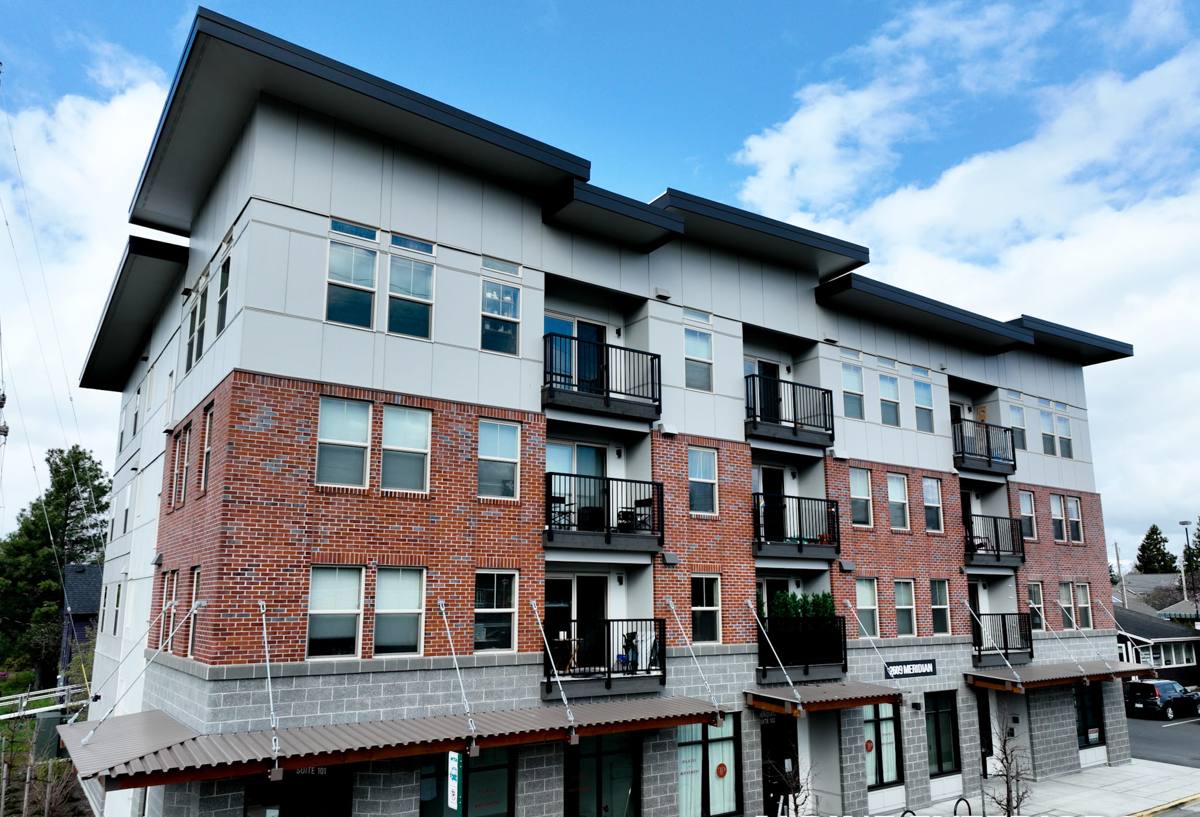
What Whatcom County's Climate Does to Vertical Siding
Board and batten isn't a neutral choice climate-wise — the vertical battens and the seams between boards create more edges, more fastener points, and more places for water to find a way in than a horizontal lap profile. In a region with salt air, driving rain, and a long moss season, those details matter more than they would somewhere drier.
Salt Air
Homes closer to Bellingham Bay and the surrounding waterways deal with airborne salt that accelerates corrosion on fasteners, flashing, and any metal trim. Cheap or mismatched fasteners on a board and batten job show rust streaks down the battens within a couple of seasons — a cosmetic problem that's really a sign the wrong hardware was used.
Driving Rain
Whatcom County doesn't just get rain, it gets wind-driven rain that hits siding at an angle instead of falling straight down. On a board and batten wall, wind-driven rain gets pushed into the vertical joints between boards and battens. If there isn't a proper drainage plane and rainscreen gap behind the siding, that water has nowhere to go but into the wall assembly.
Moss Season
The long wet season in this part of Washington means moss and algae have months to establish themselves on any siding surface that stays damp or shaded — north-facing walls and areas under tree cover especially. Vertical battens can trap moisture along their bottom edges if they aren't detailed with proper gaps and caulking, giving moss an easy foothold right where it's hardest to see from the ground.
Why the Material Choice Matters More on Board & Batten
Because board and batten has more seams and more exposed edges than a lap profile, the siding material itself has less room for error. This is where we're upfront with Birchwood homeowners about why we only install James Hardie fiber cement, and not the other products commonly used for this look.
LP SmartSide and Primed Wood/Spruce Battens
Engineered wood and primed wood products can look great when new, but they're wood-based, which means the cut ends and any point where a fastener or joint breaks the factory coating is a place moisture can get in. In a climate with this much sustained rain and humidity, that's a real long-term maintenance commitment — recaulking, repainting, and watching for swelling at the edges, especially at the base of vertical boards where splashback collects.
Vinyl Board & Batten Panels
Vinyl board and batten systems are affordable and low-maintenance in the sense that they don't need painting, but they're a thin plastic product that can warp or become brittle over time with UV and temperature swings, and they don't hold up well to impact. They also don't offer the crisp, dimensional shadow lines that make the board and batten look work architecturally — up close, the profile often reads as flat.
Cedar
Real cedar board and batten is beautiful and it's a legitimate regional material, but it's also the highest-maintenance option: it needs regular refinishing to keep moisture out, and in a climate this wet, cedar left unmaintained will stain, cup, and eventually rot at the joints. We respect it as a product — we just won't put a client into that maintenance cycle without saying so upfront.
James Hardie fiber cement is non-combustible, dimensionally stable, and engineered specifically for wet climates in its HZ5 product line. It won't rot, it resists moisture-driven swelling and warping, and the factory-applied ColorPlus finish means the color goes all the way through the baked-on finish rather than sitting on top of a coating that will eventually need to be redone.
What Correct Board & Batten Installation Involves
The material is only part of the equation. A board and batten job installed without the right sequence of layers behind it will fail regardless of what siding is on the outside. Correct installation in this climate means:
- A continuous weather-resistant barrier (WRB) installed shingle-fashion so water sheds outward at every seam
- Proper flashing at every window, door, and roof-to-wall intersection — the most common failure point on any vertical siding job
- A rainscreen gap behind the panels so any moisture that does get past the siding can drain and dry instead of sitting against the sheathing
- Correct fastener spacing and type, matched to the manufacturer's spec, not just "whatever's in the nail gun"
- A consistent gap at the base of each board with proper caulking, so ground splashback and rain don't wick up into end grain or panel edges
- Batten spacing planned before the first board goes up, so the reveal is even across the whole elevation, not eyeballed as the crew goes
Skipping any one of these doesn't show up on install day. It shows up two or three winters later as staining, soft spots, or moss creeping in along the bottom edges — right when it's expensive and disruptive to fix.
The James Hardie Board & Batten System
James Hardie's vertical siding options are built for exactly this kind of application — either factory-formed vertical panels with integrated battens, or individual HardiePanel with separate batten strips over the joints, depending on the look and budget a Birchwood homeowner wants. Both are manufactured to the HZ5 specification for the Pacific Northwest, meaning they're engineered for our moisture and freeze-thaw conditions rather than a generic national spec.
ColorPlus finish is worth calling out specifically for this profile: because board and batten has so many visible seams and edges, a finish that's baked on at the factory (rather than field-painted) keeps the whole wall looking uniform for far longer, and the color is backed by its own finish warranty separate from the product warranty on the siding itself.
Comparing Materials for Board & Batten in This Climate
| Material | Moisture Resistance | Maintenance | Fire Rating | Typical Lifespan |
|---|---|---|---|---|
| James Hardie Fiber Cement | Excellent — HZ5 engineered for PNW | Low — no repainting needed for years | Non-combustible | 30+ years to warranty term |
| LP SmartSide / Primed Wood | Moderate — vulnerable at cut edges and joints | Moderate to high — recaulk, repaint over time | Combustible | 15-25 years with upkeep |
| Vinyl Panels | Good, but can warp/crack with temperature swings | Low, but limited repair options | Combustible, can deform in heat | 20-30 years, appearance degrades |
| Cedar | Poor without diligent refinishing | High — regular refinishing required | Combustible | 15-20 years without strict upkeep |
This table reflects general product characteristics, not a specific manufacturer's published data — actual performance always depends on installation quality and maintenance.
Our Process for Birchwood Board & Batten Projects
Every board and batten job we take on in Whatcom County starts with an assessment of the existing wall assembly, not just a measurement for materials. We're looking at exposure — which elevations take the most wind-driven rain, where moss has already established itself, and whether the existing sheathing and WRB are sound or need to be addressed before new siding goes on. From there, installation follows the sequence above: WRB, flashing, rainscreen, siding, battens, and a final detail pass on caulking and trim before we walk the job with the homeowner.
Why Local Experience in Birchwood Matters
Board and batten done wrong doesn't fail everywhere on the house — it tends to fail on the specific elevations that catch the worst of the weather, and those are different from block to block depending on tree cover, wind exposure, and proximity to the water. A crew that already works Birchwood and the surrounding Whatcom County neighborhoods has seen which details actually matter here versus a generic installation guide written for a drier climate. That's the difference between a board and batten wall that still looks sharp in a decade and one that needs attention after two wet winters.
What to Expect After Installation
A correctly installed James Hardie board and batten system in this climate needs very little from a homeowner — periodic rinsing to keep organic growth from establishing on shaded elevations, and an eye kept on caulked joints over the years the way you would with any siding. It should not need repainting, recaulking of the field, or edge repair the way wood or vinyl systems often do.
If you're considering board and batten siding for a home in Birchwood, we're happy to walk the property, point out any climate-specific problem areas, and give you a straightforward, no-pressure estimate. There's a form below to get started.