 Whatcom County
 Roofing in Birchwood: A Different Climate Problem Than Most of the Country
Birchwood sits close enough to the water and the marine air pattern that moves through Whatcom County that its roofs age differently than roofs inland. Three things do most of the damage here: salt-laden air that accelerates corrosion on fasteners and flashing, driving rain that comes in sideways during winter storms and finds every weak seam, and a moss season that runs longer than most homeowners realize — often eight months or more of conditions damp and shaded enough for moss and moisture-loving growth to take hold. None of these are dramatic, one-time events. They're slow, steady pressure, and they add up faster on a roof that wasn't built or installed with this specific climate in mind.
A roof replacement done right in Birchwood isn't just about swapping old shingles for new ones. It's about correcting for the specific way roofs fail in this part of Whatcom County — and that shapes almost every decision, from underlayment to fastener choice to how the ridge is vented.
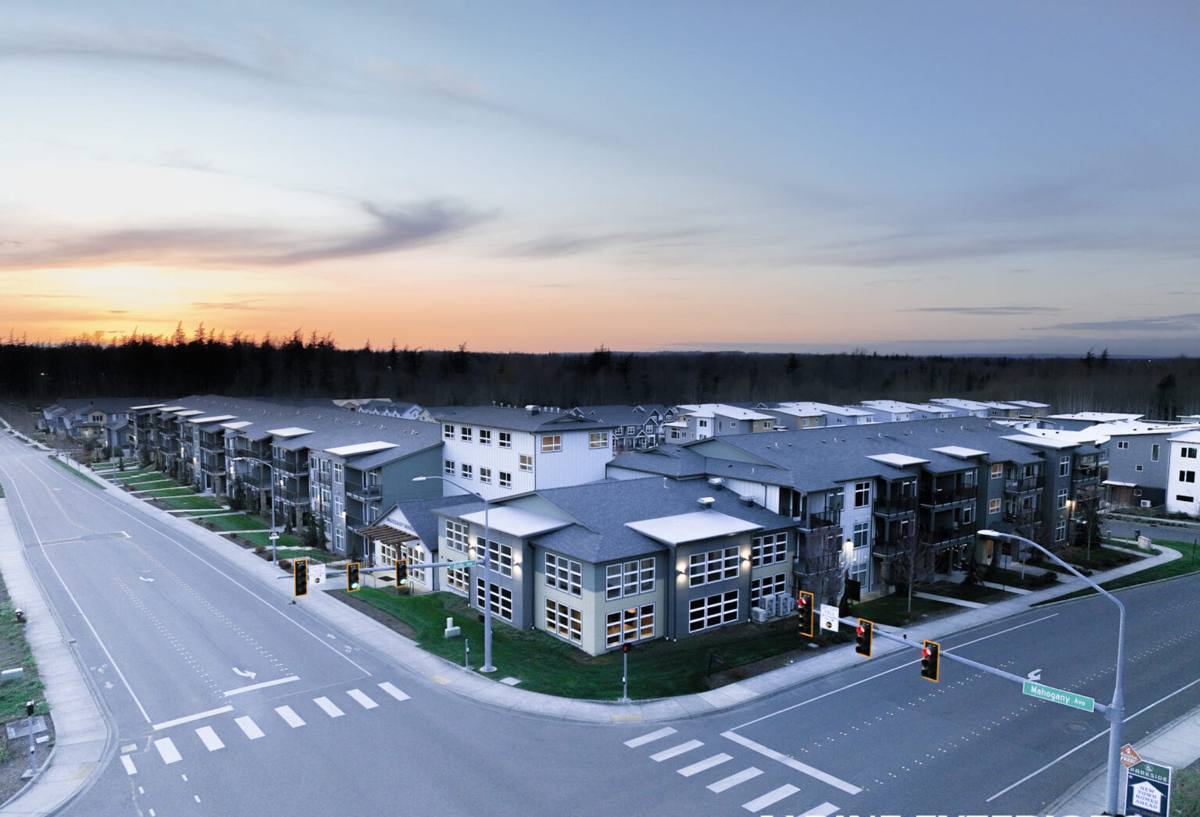
How Salt Air, Rain, and Moss Actually Damage a Roof
Salt Air and Corrosion
Salt in the air doesn't need to be visible to do its work. It settles on exposed metal — nail heads, flashing, gutter hardware — and speeds up oxidation. Over years, that means rusted fasteners that back out or lose holding strength, and flashing that thins and eventually leaks at the seams long before the shingles above it are worn out. This is why fastener and flashing material matters more here than it would on a roof fifty miles inland.
Driving Rain and Wind-Driven Water
Standard rain falls straight down and mostly respects the layout of a well-shingled roof. Driving rain doesn't. When wind pushes water sideways or even slightly upward under the shingle line, it exposes every gap in the underlayment, every under-lapped flashing detail, and every place where the original installer cut a corner. Roofs in Birchwood need underlayment and flashing details built for wind-driven water, not just vertical rainfall.
Moss and Moisture Retention
Moss doesn't just look bad — it holds moisture directly against the shingle surface, keeps that area from drying out between storms, and over time lifts shingle edges as it grows into the granule surface and butt joints. In shaded sections of a roof, or on north-facing slopes that don't get much sun, moss can take hold within a year or two of a poor installation and shorten the effective life of the roof significantly if it's not managed.
Signs a Birchwood Roof Needs Replacing, Not Patching
Not every roof problem calls for a full replacement, but there's a point where patching becomes a waste of money. Watch for these signs:
- Granule loss heavy enough that you can see bare, shiny patches on shingles, especially on south- and west-facing slopes
- Moss growth that returns within a season or two of cleaning, particularly on shaded or north-facing sections
- Soft spots or slight give when walking the roof, which usually means the decking underneath has taken on moisture
- Rust streaks below flashing or fasteners, a sign the metal is breaking down
- Daylight visible through the roof deck from inside the attic, or damp insulation after storms
- Shingles curling, cupping, or cracking at the edges — a sign they've lost flexibility and are past their service life
- A roof approaching or past 20-25 years old (for asphalt shingle) that hasn't had any major work done
If you're seeing two or more of these at once, it's usually a sign the roof system as a whole — not just the top layer — has been compromised.
What a Correct Roof Replacement Actually Involves
A roof replacement is only as good as what's underneath the shingles, and in this climate that matters more than usual. A correct job includes:
Full Tear-Off, Not an Overlay
Installing new shingles over old ones might save a day of labor, but it traps moisture, hides deck damage, and voids most manufacturer warranties. On a Birchwood roof, where deck rot from long-term moisture exposure is a real possibility, a full tear-off is the only way to actually inspect and fix what's underneath.
Deck Inspection and Repair
Once the old roofing is off, the decking gets inspected board by board or panel by panel. Soft, delaminated, or rotted sections get replaced before anything new goes down. Skipping this step is one of the most common shortcuts in the trade, and it's the one that causes the most expensive failures later.
Underlayment Built for Wind-Driven Rain
Synthetic underlayment with properly lapped and sealed seams, plus self-adhered ice-and-water membrane at eaves, valleys, and any low-slope transitions, gives the roof a real second line of defense when wind pushes rain under the shingle line.
Flashing That Won't Corrode Out From Under You
Flashing at chimneys, sidewalls, valleys, and penetrations should be corrosion-resistant metal, properly lapped with the underlayment (not just caulked on top), and sized generously enough to handle wind-driven water rather than just vertical runoff.
Ventilation That Discourages Moss
A roof that breathes properly dries out faster after rain and stays less hospitable to moss. Balanced intake and exhaust ventilation — soffit vents paired with ridge or roof vents — keeps air moving under the roof deck and reduces the damp, stagnant conditions moss depends on.
Fasteners Rated for Coastal-Influenced Air
Corrosion-resistant nails and fasteners cost a little more up front and save a lot of grief later, especially on a roof exposed to salt-laden air. This is a small line item that has an outsized effect on how long flashing and shingle edges hold.
Material Comparison for Birchwood Conditions
| Material | Moss Resistance | Wind/Rain Performance | Typical Lifespan | Notes for This Climate |
|---|---|---|---|---|
| Asphalt Composition Shingle (standard) | Moderate — needs algae-resistant granules and periodic cleaning | Good with correct underlayment and fastening | 20-30 years | Most common, cost-effective choice; look for algae-resistant (AR) shingle lines |
| Asphalt Composition Shingle (impact/premium) | Better — often paired with AR granules as standard | Very good, heavier and more wind-rated | 30-40 years | Worth considering for exposed or wind-heavy lots |
| Standing Seam Metal | Excellent — sheds moss and debris well | Excellent, minimal seams for water intrusion | 40-60 years | Higher upfront cost; performs very well against driving rain and salt air when properly coated |
| Cedar Shake | Poor without diligent maintenance | Moderate — more vulnerable to wind-driven rain over time | 20-30 years with upkeep | We generally steer clients away from cedar in shaded, damp Whatcom County lots — the maintenance burden and moisture behavior make it a tough fit here, not because the product is bad everywhere |
Our Process for a Birchwood Roof Replacement
- On-site inspection — we walk the roof and attic, check the decking, flashing, ventilation, and note any moss or moisture issues specific to your lot's shade and exposure
- Honest scope and estimate — a clear breakdown of what needs replacing, what materials fit your home and budget, and why, with no pressure to upsell beyond what the roof actually needs
- Scheduling around the weather — we plan tear-off and dry-in around Whatcom County's rain patterns so your home isn't exposed longer than necessary
- Full tear-off and deck repair — old roofing removed, decking inspected and repaired before anything new goes down
- Underlayment, flashing, and ventilation installed to climate-appropriate standards — not just code minimum
- New roofing installed — with fastener spacing, nailing patterns, and flashing laps done to manufacturer spec, which is what keeps warranties valid
- Final walkthrough — we go over the finished roof with you, including basic moss-prevention upkeep so you know what to watch for going forward
Cost Factors for a Birchwood Roof Replacement
| Factor | Why It Affects Cost |
|---|---|
| Roof size and complexity | More valleys, dormers, and penetrations mean more flashing work and labor time |
| Deck condition | Rotted or delaminated decking found during tear-off adds material and labor to replace before new roofing goes on |
| Material choice | Standard asphalt shingle, premium shingle, and metal carry different material and installation costs |
| Tear-off layers | Removing multiple existing layers of roofing takes more labor than a single-layer tear-off |
| Access and pitch | Steep pitches or difficult site access affect labor time and safety setup |
| Ventilation upgrades | Adding or correcting soffit and ridge ventilation is worth the modest added cost given local moss pressure |
We give a written estimate broken down by these factors so you can see exactly what you're paying for, rather than a single lump number.
Why It Matters That We Already Work in Birchwood
A roof replacement isn't just a product installation — it's a set of decisions about how to handle a specific home's exposure, slope, shade pattern, and history. A crew that already works Birchwood and the surrounding Whatcom County area has seen how roofs in this exact microclimate age, which shaded slopes tend to hold moss, which flashing details fail first under driving rain, and which shortcuts from a prior installation tend to show up during tear-off. That local pattern recognition shows up in fewer surprises during the job and a roof that's built to actually hold up here, not just meet a generic spec sheet.
We also know the practical side of working in this area: permitting expectations, typical weather windows for tear-off and dry-in, and how to sequence a job so your home isn't sitting open to the weather longer than it needs to be.
Get a Free, No-Pressure Estimate
If your Birchwood roof is showing granule loss, recurring moss, soft spots, or is simply getting up there in age, it's worth having a local crew take a look before small problems turn into deck damage or interior leaks. Fill out the form below for a free, no-pressure estimate — we'll walk the roof, tell you honestly what it needs, and give you a clear breakdown of your options.