 Whatcom County
 Storm Damage Roof Repair Built for Birchwood's Weather
Birchwood homes sit right in the path of everything Whatcom County weather throws around: winter windstorms off the Salish Sea, weeks of driving rain, and the kind of persistent damp that keeps moss growing on north-facing roof slopes almost year-round. None of that damage announces itself the way a fallen tree limb does. Most storm damage in this neighborhood shows up as a slow leak, a soft spot in the decking, or shingles that quietly lost their grip during the last big blow and are just waiting for the next one to finish the job.
We repair storm-damaged roofs for homeowners throughout Whatcom County, and Birchwood is a neighborhood we know well. This page covers what storm damage actually looks like on roofs in this area, what a correct repair involves, and how to tell a real fix from a patch job that will fail again next season.
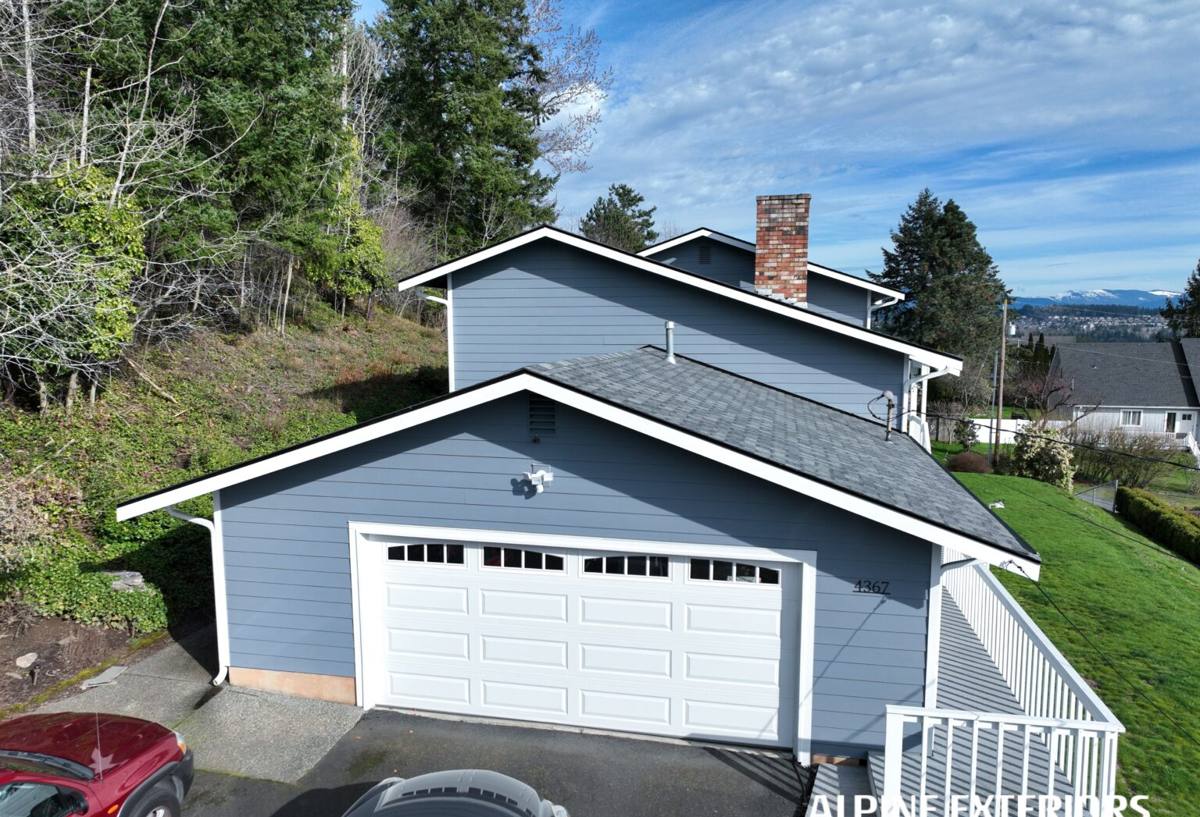
Why Whatcom County Storms Are Hard on Roofs
Roof damage here isn't usually one dramatic event — it's cumulative. A roof in Birchwood deals with several distinct stresses over the course of a normal year, and storms tend to expose weaknesses that were already building underneath the surface.
Wind
Whatcom County gets regular windstorms, especially in late fall and winter, with gusts strong enough to lift shingle tabs, work fasteners loose, and peel back ridge caps. Wind rarely tears a whole roof apart in one go — it finds the weakest point (an already-aging shingle, a poorly nailed course, a loose flashing edge) and works it open a little more each time.
Driving rain
Rain that comes in sideways during a storm behaves differently than a steady vertical rain. It gets pushed up under shingle tabs, around chimney and vent flashing, and into any gap that a calm-weather rain would never reach. This is why a roof can pass a casual dry-day look and still leak badly during the next storm.
Salt air
Proximity to the Salish Sea means airborne salt accelerates corrosion on exposed metal — flashing, fasteners, gutter hardware, and vent stacks. Corroded metal fails quietly; a flashing seam that's rusted thin can hold back rain for months and then fail all at once during a heavy storm.
Moss and moisture
Whatcom County's long wet season keeps shaded and north-facing roof areas damp for extended stretches, which is ideal for moss. Moss holds moisture against the roofing material, works its roots under shingle edges, and adds weight — all of which make a roof more vulnerable when a storm hits, not less.
What Storm Damage Actually Looks Like
Homeowners often expect storm damage to be obvious. Sometimes it is. More often, it's subtle enough that it gets missed until a leak shows up inside the house.
- Missing, cracked, or curled shingles, especially near roof edges and ridges
- Granules collecting in gutters or at the base of downspouts
- Lifted or bent flashing around chimneys, skylights, and roof-wall intersections
- Soft or spongy spots when walking the roof, indicating saturated decking
- New or worsening moss growth in a spot that was previously bare
- Water stains on interior ceilings or in the attic, particularly after a windy rain event
- Gutters pulled loose or sagging from wind load or debris impact
- Dented or displaced vent caps and roof penetrations
Any one of these on its own might seem minor. Together, or left unaddressed through another storm cycle, they're how a repairable roof turns into a roof that needs full sections replaced.
What a Correct Storm Damage Repair Involves
A proper storm repair isn't just swapping out the shingles that are obviously missing. It starts with figuring out why the damage happened and whether the surrounding area was compromised even where it still looks intact.
1. Full roof assessment, not just the visible damage
We check the areas around the obvious damage, not just the damage itself. Wind and rain rarely limit their effect to one tidy spot — a missing shingle two courses up can mean water already got into the decking below it.
2. Decking check
If water has been getting under the roofing material for any length of time, the plywood or OSB decking underneath may be soft, delaminated, or rotting. Replacing shingles over damaged decking doesn't solve anything — it just covers the problem back up.
3. Flashing and penetration repair
Given how much of Birchwood's roof damage traces back to compromised flashing — chimneys, skylights, vent stacks, roof-to-wall junctions — we treat flashing as its own category of repair, not an afterthought tacked onto shingle work.
4. Matching materials correctly
Patch repairs need to match the existing roofing in weight, profile, and where possible, color and manufacturer line. A mismatched patch is a cosmetic problem now and often a performance problem later, since different shingle products don't always seal against each other the way they would against themselves.
5. Moss and debris clearing as part of the job
If moss contributed to the failure, we clear it as part of the repair rather than nailing new shingles down next to growth that will keep working its way underneath.
Repair vs. Replacement: How We Make That Call
Not every storm-damaged roof needs to be replaced, and not every roof can be responsibly patched. The right call depends on the roof's age, how widespread the damage is, and what condition the decking is in underneath.
| Factor | Favors Repair | Favors Replacement |
|---|---|---|
| Roof age | Roof is under 10-15 years old | Roof is near or past its expected service life |
| Extent of damage | Damage limited to one section or slope | Damage spread across multiple slopes |
| Decking condition | Decking is sound underneath | Decking is soft, rotted, or repeatedly wet |
| Shingle match availability | Matching shingles are available | Original product discontinued, mismatch would be significant |
| Storm history | First significant damage event | Repeated storm damage in the same areas |
We'll tell you honestly which side of that table your roof falls on. If a repair is the right call, that's what we'll recommend — we don't upsell a full replacement when a targeted repair will hold up.
Our Process for Birchwood Storm Repairs
When you call us after a storm, here's what to expect:
- Inspection. We walk the roof (or use appropriate access methods for steep or unsafe sections) and document the damage, including areas that aren't visible from the ground.
- Written scope and estimate. You get a clear explanation of what's damaged, what needs to be repaired, and a straightforward cost estimate before any work starts.
- Temporary protection if needed. If there's an active leak or exposed decking, we can install temporary weatherproofing to stop further damage while repair materials are sourced.
- The repair itself. Decking replaced where needed, flashing corrected, shingles matched and properly fastened, moss and debris cleared.
- Final check. We confirm the repair area is sealed and draining correctly before we consider the job done.
Why Hire a Crew That Already Works Whatcom County
Storm damage repair isn't the same everywhere. A crew that mostly works drier inland climates doesn't necessarily think about salt-air corrosion on flashing or how aggressively moss establishes itself on a shaded Whatcom County roof slope. We work in this county's weather patterns regularly, which means:
- We recognize the difference between cosmetic wind damage and damage that's already let water into the structure
- We know which flashing details tend to fail first in this region's driving rain
- We're familiar with how quickly moss re-establishes here and build that into repair recommendations
- We can respond promptly to storm damage rather than treating it as a low-priority patch job
A roof repair that ignores regional conditions is a roof repair you'll likely be paying for again in a year or two.
Insurance and Documentation
Many storm damage repairs are covered in whole or part by homeowners insurance, particularly when damage results from a specific wind event. We can document damage clearly with photos and a written assessment, which homeowners typically need for a claim. We're not a public adjuster and don't guarantee coverage outcomes, but we make sure the documentation on our end is thorough and honest.
Preventing the Next Round of Damage
Once a storm repair is complete, a few maintenance habits go a long way toward keeping Birchwood roofs in good shape through the next weather season:
- Clear gutters and downspouts before the fall storm season starts
- Have moss treated or removed before it spreads across an entire slope
- Trim back tree limbs that overhang the roof, since falling debris is a common trigger for new damage
- Schedule a roof check after any unusually strong windstorm, even if nothing looks obviously wrong from the ground
- Address small issues (a lifted shingle tab, a loose flashing edge) before the next storm turns them into a leak
Get a Free Estimate
If your Birchwood home has visible storm damage, or you just want a roof checked after a recent windstorm, we're happy to take a look. The estimate is free, there's no pressure to move forward, and you'll get a straight answer about what your roof actually needs. Fill out the form below to get started.