 Whatcom County
 Siding Built for Blaine's Coastline, Not Just the Northwest in General
Blaine sits about as close to saltwater and the international border as a Whatcom County home can get, and that location shapes what siding actually has to survive here. Homes near Semiahmoo Bay and Drayton Harbor take on salt-laden air moving off the water, near-constant wind exposure, and driving rain that comes in sideways more often than straight down. Add in a moss season that can stretch from fall through spring under the Northwest's low winter sun angle, and you have a set of conditions that punishes the wrong siding choice fast. A generic siding job — the kind that would hold up fine in a drier inland town — often starts showing problems within a few years out here. A correct siding replacement in Blaine accounts for salt exposure, wind-driven moisture, and moss/algae growth from day one, not as an afterthought.
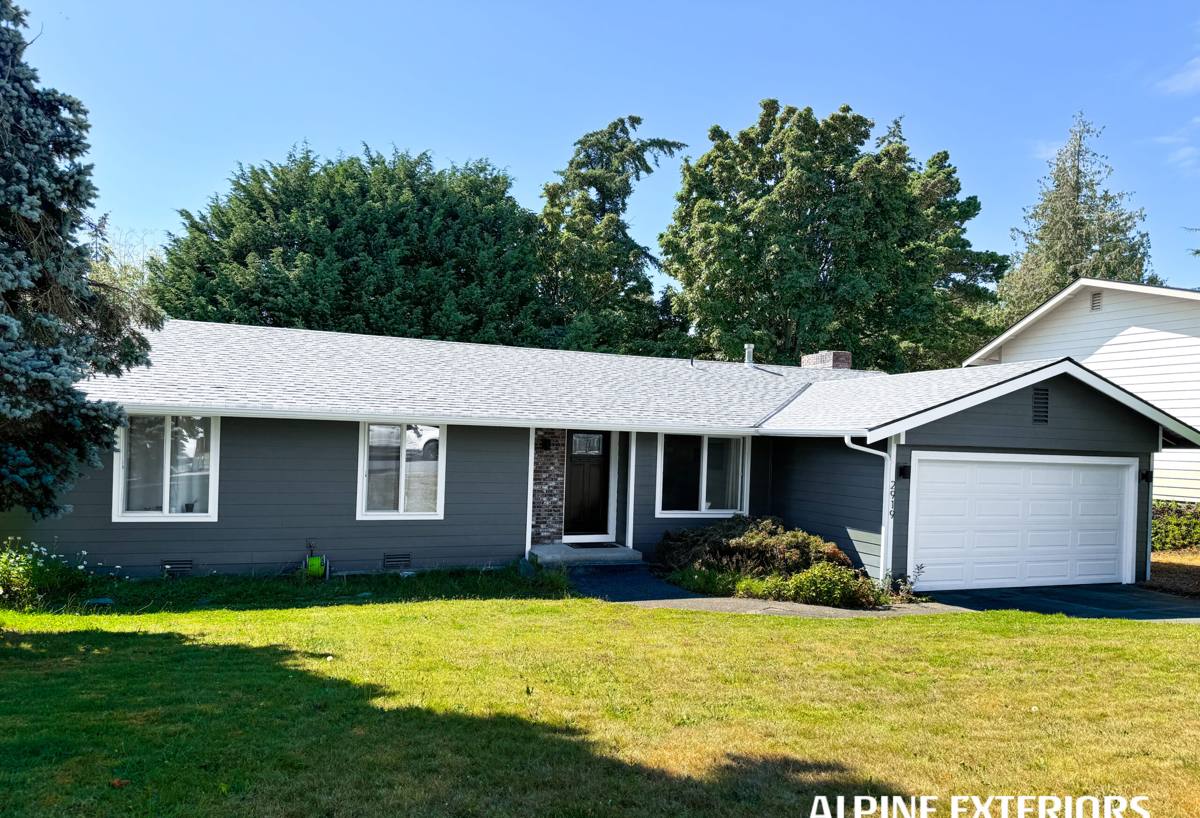
What Salt Air, Rain, and Moss Actually Do to Siding
Salt Air
Airborne salt is corrosive to metal fasteners, flashing, and trim, and it accelerates the breakdown of lower-grade coatings and finishes. Siding products that rely on a sprayed-on or field-applied paint layer tend to chalk, fade, and lose adhesion faster in a salt-air environment than they would a few miles inland. Over time, a compromised finish stops shedding water the way it's supposed to, which opens the door to the next problem.
Driving Rain
Wind-driven rain doesn't just fall on siding — it gets pushed sideways and upward into laps, seams, and butt joints. Products and installation details that work fine in calm rain can fail in wind-driven rain if laps aren't sized correctly, if caulking is used as a substitute for proper flashing, or if the water-resistive barrier behind the siding isn't detailed correctly at penetrations. Blaine's exposure to open water makes this a real, ongoing factor rather than an occasional storm event.
Moss and Algae
Whatcom County's damp, shaded, mild winters are close to ideal growing conditions for moss and algae on exterior surfaces. On siding, that growth holds moisture against the substrate for extended periods, which is a problem for any material that can absorb water or swell. A siding product and finish that resists organic growth — and a paint system with anti-microbial properties — makes a measurable difference in how much annual cleaning and maintenance a home needs.
Why This Company Installs Only James Hardie Fiber Cement
We standardized on James Hardie fiber cement siding for every home we work on, including here in Blaine, and we don't install vinyl, LP SmartSide, Cemplank, Allura, primed spruce, or cedar. That's not a marketing position — it's a response to what we've seen coastal exposure do to lower-tier products over time, and to what a proper warranty structure needs to look like for a homeowner in a demanding climate.
- Non-combustible core: Fiber cement doesn't feed a fire the way wood-based or foam-backed products can, which matters for insurance and long-term peace of mind.
- ColorPlus factory finish: A baked-on, multi-coat finish applied under controlled conditions holds color and resists fading and chalking far better than field-applied paint, especially under salt-air and UV exposure.
- HZ5 climate engineering: Hardie's HZ product lines are engineered for specific climate zones, including the wet, moderate Pacific Northwest — the material is formulated for how much moisture it will actually encounter here.
- Dimensional stability: Fiber cement resists the swelling, warping, and cupping that wood-based and engineered-wood products can develop when repeatedly wetted, which is a direct answer to Blaine's rain exposure.
- Moisture and pest resistance: It doesn't provide a food source for insects and doesn't rot the way wood-based siding can when moisture gets behind it.
- Transferable warranty: A strong, transferable warranty backing both the substrate and the ColorPlus finish protects the investment for the homeowner and for a future buyer.
We're upfront that other products have real strengths — vinyl is inexpensive and low-maintenance in mild climates, cedar has a look some homeowners love, LP SmartSide is easier to install in some conditions. But for a home exposed to salt air, driving rain, and a long moss season, we've made the professional call that fiber cement done right is the product we're willing to put our name behind and warranty.
What a Correct Siding Replacement Involves
Replacing siding on a coastal Blaine home is not a matter of stripping the old material and nailing up new boards. The work that happens underneath the siding determines whether the job lasts 10 years or 40.
1. Tear-Off and Substrate Inspection
Once the old siding is off, we inspect the sheathing for hidden rot, soft spots, or prior water damage — a common finding on older coastal homes where moisture has been working behind failing siding for years without visible signs from the outside.
2. Water-Resistive Barrier and Flashing
A correctly lapped weather-resistive barrier, paired with properly integrated flashing at windows, doors, and all penetrations, is what actually stops wind-driven rain from reaching the sheathing. This step matters more in Blaine's wind and rain exposure than almost anywhere else in the county.
3. Rainscreen or Furring Strategy
Where appropriate, a ventilated gap behind the siding lets moisture that does get past the outer layer drain and dry instead of sitting against the wall assembly — a meaningful advantage in a climate with this much sustained dampness and moss potential.
4. Fastening and Lap Detail to Manufacturer Spec
Hardie's performance depends on installation to the manufacturer's published specs: correct nail placement, proper lap dimensions, and gapping at butt joints and trim. Installed off-spec, even the best product can underperform — this is where a lot of "why did my new siding fail" problems actually originate.
5. Trim, Caulking, and Final Detailing
Corners, trim boards, and penetrations get sealed and detailed last, using products compatible with the ColorPlus finish so the whole system — not just the field siding — is built to resist this coastline's conditions.
Cost Factors for a Blaine Siding Replacement
Every home is different, but the factors that move the price on a coastal Whatcom County project are fairly consistent. We give exact numbers only after walking the property.
| Factor | Why It Matters in Blaine |
|---|---|
| Home size and wall complexity | More corners, dormers, and trim details mean more labor and material for correct flashing and lap work |
| Substrate condition | Coastal homes more often need sheathing repair from hidden moisture damage discovered during tear-off |
| Siding profile and accessories | Lap width, trim style, and soffit/fascia work all affect material cost |
| Color and finish | ColorPlus factory finishes vary by tier; some deep or specialty colors cost more than standard options |
| Access and site conditions | Waterfront lots, steep grades, or tight setbacks can affect equipment access and labor time |
| Existing moss/algae remediation | Homes with heavy existing growth may need additional prep before new siding goes on |
Why a Crew That Already Works Blaine Matters
Siding installation is detail-sensitive work, and the details that matter change with the exposure a home actually faces. A crew that regularly works Blaine and the surrounding Whatcom County coastline already knows to plan lap and flashing details for wind-driven rain, to account for salt air in fastener and trim choices, and to expect moss and drainage issues that a crew from a drier region might not think to address. That familiarity shows up in fewer callbacks and a longer-lasting result — not because the material is different, but because the installation judgment calls are made correctly the first time.
Signs Your Current Siding Is Failing Blaine's Climate
- Visible warping, cupping, or swelling, especially on walls facing prevailing wind and rain
- Persistent moss or algae staining that returns quickly after cleaning
- Chalky, faded, or peeling paint that no longer sheds water cleanly
- Soft spots or give when pressed near the base of walls or below windows
- Visible gaps, cracked caulking, or separated trim joints
- Musty smell or interior wall staining that suggests moisture intrusion behind the siding
Any one of these is worth a professional look before it turns into a sheathing or framing repair, which costs considerably more than a siding replacement alone.
What to Expect From Our Process
We start with an on-site inspection and honest assessment of what your home's exposure actually requires — not a one-size-fits-all sales pitch. From there we walk through Hardie product lines, colors, and trim options suited to a coastal Blaine property, provide a clear written estimate, and schedule the work around Whatcom County's weather windows. During installation we handle tear-off, substrate repair if needed, weather barrier and flashing work, and correct-to-spec Hardie installation, then walk the finished project with you before we consider the job done.
If your Blaine home's siding is showing wear from salt air, wind-driven rain, or years of moss exposure, we're happy to take a look and give you a straightforward, no-pressure estimate — just fill out the form below to get started.