 Whatcom County
 Board & Batten Siding Built for Everson's Climate
Everson sits in the wetter, greener stretch of Whatcom County, and homes here take a steady beating from the same forces that shape siding decisions across the region: salt-tinged marine air moving in off the Sound, driving rain that comes in sideways during fall and winter storms, and a moss season that can run eight months or longer on shaded or north-facing walls. Board and batten siding is a popular choice for farmhouse, craftsman, and modern-rustic homes in this area because of its clean vertical lines and strong shadow detail — but that same design, done wrong, creates more seams, more fastener penetrations, and more places for water to get behind the wall than a standard lap siding job. Getting board and batten right in Everson isn't about the look. It's about what's happening behind the boards.
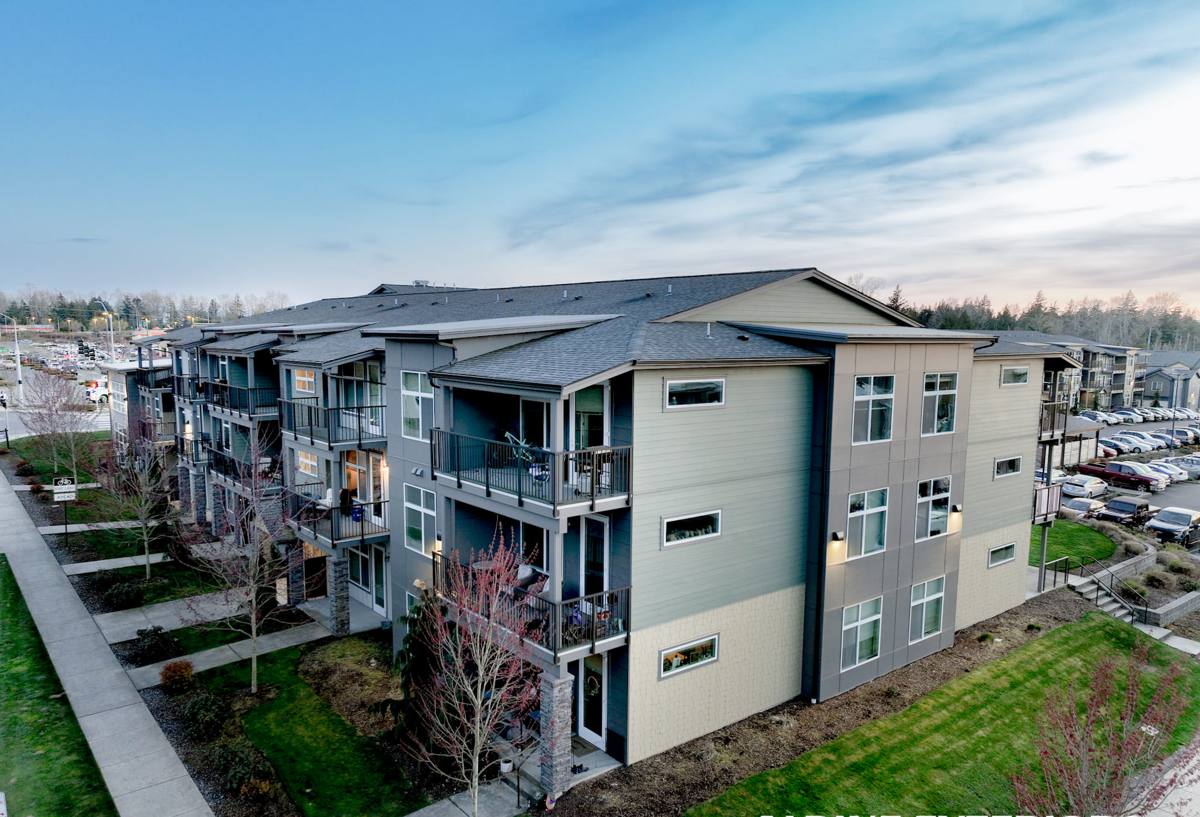
What Board & Batten Siding Actually Is
Board and batten is a two-layer siding pattern: wide flat panels (or boards) installed first, with narrower strips — the battens — nailed over the vertical seams between them. The result is a rhythmic, ribbed appearance that reads as more traditional or agricultural than horizontal lap siding, which is part of why it's so common on farmhouse-style remodels and new builds throughout Whatcom County.
The James Hardie Board and Batten System
We install James Hardie's engineered board and batten products exclusively — factory-primed or ColorPlus-finished fiber cement panels paired with matching battens, designed as a system rather than assembled from mismatched parts. The panels and battens are manufactured to the same specification, which matters more than it sounds: mismatched expansion rates, inconsistent density, or battens that weren't engineered for the panel behind them are a common source of the cracking and gapping we get called out to look at on other board and batten jobs in this area.
What Correct Installation Involves Here
Board and batten has roughly double the vertical seams of lap siding, and every batten is a row of fasteners driven through the field of the wall. In a climate with Everson's rainfall totals, how that detail is handled determines whether the siding lasts twenty years or needs rework in five.
Drainage Plane and Rainscreen Gap
Correct installation starts behind the siding, not at it. A weather-resistive barrier goes on the sheathing first, and in most board and batten installations we build in a rainscreen gap — vertical furring strips that hold the panel off the wall — so any moisture that does get past the surface has somewhere to drain and dry instead of sitting against the sheathing.
Fastener Pattern and Batten Spacing
Battens need to land over the seam with enough overlap to shed water, be fastened per the manufacturer's spacing schedule, and use corrosion-resistant fasteners rated for coastal and marine-influenced air — standard fasteners can streak and corrode faster than the siding itself in this environment.
Flashing at Every Transition
Windows, doors, roof lines, and the bottom termination at the foundation all need proper flashing and clearance. Board and batten's vertical battens make it tempting to run a board straight into a horizontal transition without a break — that's one of the more common shortcuts we see, and it's a direct path for water intrusion.
Problems We See With Improperly Installed Board & Batten
Because we get called out for inspections and replacement bids across Whatcom County, we see the same handful of failure patterns repeat themselves on board and batten specifically, more so than on plain lap siding.
- Butt joint rot: horizontal joints between panel lengths that weren't flashed or gapped properly, trapping moisture at the seam
- Caulk-dependent seams: installs that rely on caulk instead of proper lap and flashing detail to keep water out — caulk fails long before the siding does
- Moss and algae buildup in batten shadow lines: north-facing and tree-shaded walls hold moisture in the recessed grooves between battens, especially on wood-based products that don't resist moisture absorption
- No rainscreen gap: panels fastened tight to the sheathing with no drainage path, common on older or budget installs
- Fastener corrosion streaking: visible rust bleed down the face of the batten from fasteners not rated for the local air
Why We Install James Hardie for Board & Batten — Not the Alternatives
Board and batten is offered in vinyl, engineered wood (like LP SmartSide), primed spruce or cedar boards, and fiber cement. We've made a deliberate call to install only James Hardie fiber cement, and in a climate like Everson's, the reasons are practical rather than aesthetic.
| Material | Why It's Used | The Trade-Off in This Climate |
|---|---|---|
| Vinyl board and batten | Low upfront cost, no painting | Battens can bow or oil-can with temperature swings; seams flex more, which stresses caulk joints under constant rain exposure |
| Engineered wood (LP SmartSide, similar) | Lighter weight, easier to cut on site | Wood-based substrate is more sensitive to sustained moisture exposure than fiber cement; edge sealing and maintenance become critical in a wet climate |
| Primed cedar or spruce boards | Traditional, natural look | Real wood requires ongoing repainting and sealing to resist moss, rot, and the freeze-thaw and rain cycle common here |
| James Hardie fiber cement | Non-combustible, engineered specifically for wet Pacific Northwest climates | Higher material and install cost than vinyl; requires correct fastening and factory-matched components |
Fiber cement doesn't absorb moisture the way wood-based products can, it holds paint and factory finish longer without repainting, and James Hardie's HZ5 product line is engineered specifically for climates like ours — freeze-thaw cycles, sustained rain, and humidity. That's the standard we build every board and batten job to, and it's why we don't offer the lighter-weight alternatives as a substitute.
Our Process for Board & Batten Projects in Everson
- On-site assessment: we look at wall orientation, tree cover, existing moisture damage, and how water currently moves around the home before we talk product
- Moisture and drainage plan: we determine whether a rainscreen gap, additional flashing, or sheathing repair is needed before any siding goes up
- Material and reveal selection: panel width, batten spacing, and finish are chosen to match the home's style and the manufacturer's engineering specs — not just the look on paper
- Installation to manufacturer spec: fastener schedule, flashing details, and clearances are followed exactly, not adjusted for speed
- Final walkthrough: we go over warranty coverage, what maintenance is (and isn't) required, and what to watch for seasonally
Maintenance and Moss Prevention Checklist
Even correctly installed board and batten in Whatcom County benefits from a light annual check, especially on shaded or north-facing walls where moss takes hold fastest.
- Rinse siding annually with a garden hose — avoid pressure washers, which can force water behind panels and battens
- Trim back vegetation and tree limbs that keep walls shaded and damp longer after rain
- Check gutters and downspouts before the fall rains — overflow onto siding is one of the most common causes of premature staining and moss growth
- Look at caulk joints around windows and trim once a year; recaulk if you see cracking or separation
- Watch for any dark streaking or soft spots near the bottom termination, a sign moisture is being held against the wall
Cost Factors for Board & Batten Siding in Everson
| Factor | How It Affects the Job |
|---|---|
| Home size and wall complexity | More corners, dormers, and transitions mean more flashing and cutting labor |
| Existing siding removal and sheathing condition | Rot or moisture damage found underneath adds repair scope before new siding goes up |
| Rainscreen installation | Adds material and labor but is the single biggest factor in long-term performance here |
| Finish selection | Factory ColorPlus finish costs more upfront than primed panels but eliminates near-term repainting |
| Batten spacing and reveal | Tighter batten spacing uses more material and labor than a wider reveal |
We don't quote board and batten jobs off a square-footage number alone — wall condition and drainage needs move the price more than the siding material itself.
Why Hiring a Crew That Already Works in Everson Matters
Board and batten performance in Whatcom County comes down to details that don't show up in a brochure: how a crew handles the transition where a batten meets a window head, whether they build in a rainscreen gap as standard practice or only when asked, and whether they've seen what eight months of moss season does to a wall that wasn't detailed correctly. A crew that works this area regularly has already seen how salt air, sustained rain, and shaded lots behave on real homes here, not just in a manufacturer's install guide.
If you're considering board and batten siding for a home in Everson, we're happy to take a look and walk you through what your specific walls need — no pressure, no obligation. Use the form below to request a free estimate.