 Whatcom County
 Windows Built for Columbia's Marine Climate
Columbia sits close enough to Bellingham Bay that salt-laden air, near-constant winter drizzle, and long stretches of low, moss-friendly moisture are just part of owning a home here. Windows take more abuse from this climate than most homeowners realize. It isn't dramatic storm damage — it's the slow, steady wear of condensation cycling in and out of the glass, aluminum and vinyl components breaking down from years of damp exposure, and seals that were never rated for this much sustained humidity giving out years before they should. Energy-efficient window replacement in Columbia isn't just about a lower power bill, though that matters too. It's about keeping moisture out of your wall cavities, keeping your living spaces comfortable through the long gray season, and not paying twice for a repair that should have been done right the first time.
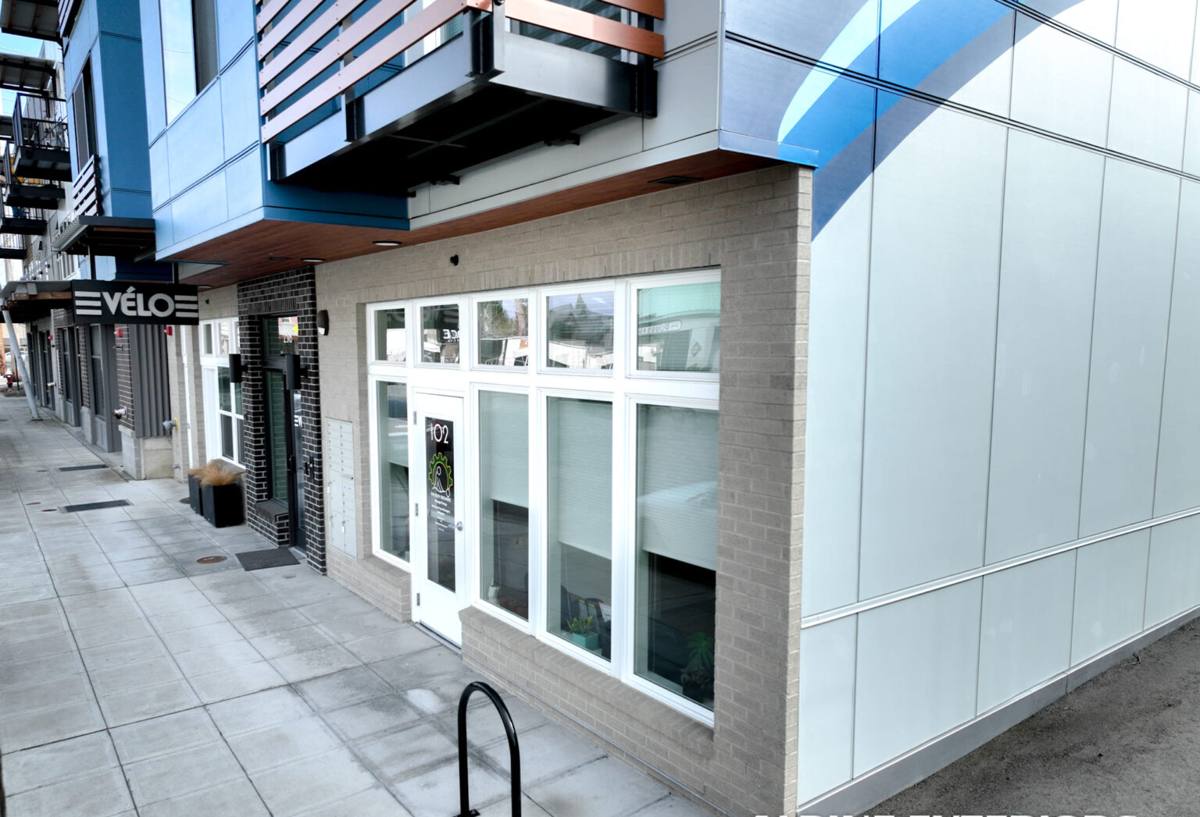
What Whatcom County's Climate Actually Does to a Window
Salt air, driving rain, and a long moss season each attack a window in a different way, and understanding that is the difference between a window job that lasts and one that fails early.
Salt Air
Even a few miles inland from the bay, airborne salt accelerates corrosion on window hardware — hinges, locks, balance mechanisms, and especially older aluminum frames. Corroded hardware is one of the most common reasons a window that "looks fine" won't lock, latch, or slide properly anymore.
Driving Rain
Whatcom County storms frequently come with wind-driven rain that hits windows at an angle rather than straight down. That means water is pushed sideways and upward into gaps that a calmer climate's window installation would never have to deal with. Flashing details and sill pan design matter enormously here — more than they would in a drier region.
Moss and Sustained Moisture
Our moss season isn't limited to roofs. Anywhere moisture sits without drying — a window sill with poor drainage, a shaded north-facing frame, a spot where landscaping keeps a wall damp — organic growth and wood rot follow. Wood-frame windows in particular are vulnerable if they aren't properly sealed, primed, and maintained.
None of this means Columbia homes need exotic materials. It means the installation details — flashing, sealant choice, drainage paths, and frame material — have to be chosen for this specific climate, not a generic one.
What "Energy-Efficient" Actually Means
Energy-efficient is a real, measurable standard, not a marketing word. When we talk about it for a Columbia home, we're talking about a handful of specific numbers and features that determine how a window performs here — not in Arizona, not in a lab in another climate zone.
- U-factor: measures how well a window resists heat loss. Lower is better. This is the single most important number for our cool, wet climate where the goal is keeping heat inside more than keeping it out.
- Solar Heat Gain Coefficient (SHGC): measures how much solar heat passes through the glass. In our climate, moderate SHGC values are often preferred — enough to get some free winter warmth without overheating rooms on the rare sunny summer afternoon.
- Air leakage rating: how much air passes through the assembly. Lower ratings matter directly for comfort — drafty windows are one of the most common complaints we hear from homeowners in older Columbia homes.
- Glazing: double-pane is the practical minimum for this region; triple-pane can be worth the added cost on north-facing walls or rooms that are consistently hard to keep warm.
- Low-E coatings: a microscopically thin coating that reflects heat back into the room in winter, which pairs well with our long heating season.
A window can carry an efficiency rating and still perform poorly on your house if it's installed wrong. We've replaced plenty of "good" windows that were leaking air and water around the frame because of installation shortcuts, not the window itself.
Signs a Columbia Home Needs New Windows
Most homeowners don't call us the first time they notice a draft. They call after living with a problem for a season or two and deciding it's not going away. Here's what we'd tell a neighbor to watch for:
- Condensation or fogging between the panes — this means the seal has failed and the insulating gas or air gap is gone
- Visible moisture, staining, or soft wood on the interior or exterior frame
- Windows that are difficult to open, close, or lock, especially after damp weather
- Noticeable drafts near the frame even when the window is fully closed
- A specific room that's consistently colder than the rest of the house
- Rising heating bills without a clear explanation
- Visible gaps, cracked caulking, or daylight around the frame from outside
- Moss or algae staining on or directly below the sill
Any one of these on its own might not mean full replacement is necessary. Several together, especially on an older home, usually means the window and its installation have reached the end of useful service life.
How We Approach a Columbia Window Job
1. On-Site Assessment
We look at each window individually, not just the house as a whole. Orientation matters — a west-facing window catching afternoon storms needs different attention than a sheltered window under a deep eave. We check framing condition, existing flashing, and signs of past water intrusion before recommending anything.
2. Product Selection Based on Placement
Not every window on a house needs the same spec. We'll talk through frame material, glazing, and coatings room by room, matching the product to sun exposure, wind exposure, and how the room is used, rather than a one-size answer for the whole house.
3. Removal and Prep
Old sealant, damaged sill material, and any compromised framing get addressed before the new unit goes in. Installing a new efficient window over a wet or rotted sill just moves the failure point, it doesn't fix it.
4. Flashing and Drainage First
Given how much wind-driven rain this area sees, we treat flashing and sill pan drainage as the most important part of the install, not an afterthought. Water needs a clear path out, every time, regardless of wind direction.
5. Installation and Sealing
The window is set, shimmed level and plumb, fastened per manufacturer spec, and sealed with materials rated for sustained damp exposure — not just whatever caulk is fastest to apply.
6. Final Check
We test operation, check the seal from both inside and outside, and walk the homeowner through care and warranty coverage before we consider the job done.
Frame Material: What Holds Up Here
Frame material choice matters more in a marine climate than in most parts of the country. Here's how the common options actually perform under Whatcom County conditions:
| Material | Performance in Salt Air / Rain | Maintenance | Typical Fit |
|---|---|---|---|
| Vinyl | Doesn't corrode; handles moisture well | Low — occasional cleaning | Most Columbia homes, all budgets |
| Fiberglass | Excellent — very stable, resists warping | Low | Homes wanting longer service life, higher upfront cost |
| Wood (clad exterior) | Good if exterior cladding is intact; interior wood still needs protection | Moderate to high | Historic character homes where wood interior look matters |
| Uncoated aluminum | Poor — prone to corrosion and condensation in this climate | High | We generally steer homeowners away from this in Columbia's conditions |
We're not against wood or aluminum windows as a category — it's about matching the maintenance commitment to what our climate demands. A wood-frame window with intact cladding and diligent upkeep can last decades here. One that gets neglected for a few wet winters will show it fast.
What Drives Cost
Every Columbia home is different, so we won't quote a number without seeing the job, but these are the factors that actually move the price:
| Factor | Why It Matters |
|---|---|
| Frame material | Vinyl is generally the most budget-friendly; fiberglass and clad wood cost more upfront |
| Glazing package | Double vs. triple pane, and coating options, affect both cost and performance |
| Window size and style | Larger units, custom shapes, and operable styles (casement, awning) vary in price |
| Condition of existing framing | Rot or water damage found during removal adds repair scope |
| Number of windows | Whole-house replacement typically brings a better per-unit cost than one-off jobs |
| Access and site conditions | Second-story or hard-to-access windows take more labor time |
We'd rather walk a homeowner through these trade-offs honestly than quote a low number that leaves out flashing repair or upgraded sealant — that's how call-backs and leaks happen.
Why Hiring a Crew That Already Works in Columbia Matters
A window installer who mostly works drier inland climates will make different default choices than one who works Whatcom County's coastline neighborhoods every season. That shows up in small decisions — how much attention goes into flashing laps, what sealant is chosen for sustained moisture exposure, whether drainage paths are checked twice instead of once. It also shows up in judgment calls: knowing which orientations on a Columbia lot take the worst of the driving rain, or recognizing early moss staining as an installation issue rather than just cosmetic buildup. None of that is exotic knowledge, but it's built from doing this work in this specific climate, not from a general contracting background applied here.
Caring for Your Windows Between Services
Even a correctly installed, energy-efficient window benefits from basic upkeep in this climate. A simple seasonal routine goes a long way:
- Rinse sills and tracks periodically to clear salt residue and organic buildup before it stains or corrodes hardware
- Check exterior caulking each fall for cracking or gaps before the wet season sets in
- Keep gutters and downspouts clear so overflow doesn't run down onto window heads
- Trim back vegetation that keeps a window frame shaded and damp
- Operate locks and hardware periodically so corrosion doesn't set in unnoticed
- Address any fogging between panes promptly rather than waiting — it won't resolve on its own
If you're noticing drafts, fogged glass, or rising heating bills in your Columbia home, we're happy to take a look and give you a straightforward, no-pressure assessment of what your windows actually need. Use the form below to request a free estimate.