 Whatcom County
 Why Siding Choice Matters More in Columbia Than Most Places
Columbia sits in a part of Whatcom County where the exterior of a house works overtime. You've got marine air moving in off the water, long stretches of steady rain rather than short downpours, and a moss season that can run most of the year in shaded, north-facing spots. None of that is dramatic on its own, but stacked together over a decade or two, it's exactly the combination that finds every weak point in a siding system. Seams that were never properly flashed, caulk joints that were never meant to be the primary water barrier, or a product that simply wasn't engineered for constant moisture exposure — this climate exposes all of it eventually.
That's the lens we use when we talk about siding in this neighborhood. It's not about picking a material that looks good on day one. It's about picking a material and installation method that still looks and performs the same way in year fifteen, when the house has been through fifteen wet winters and fifteen mossy springs in a row.
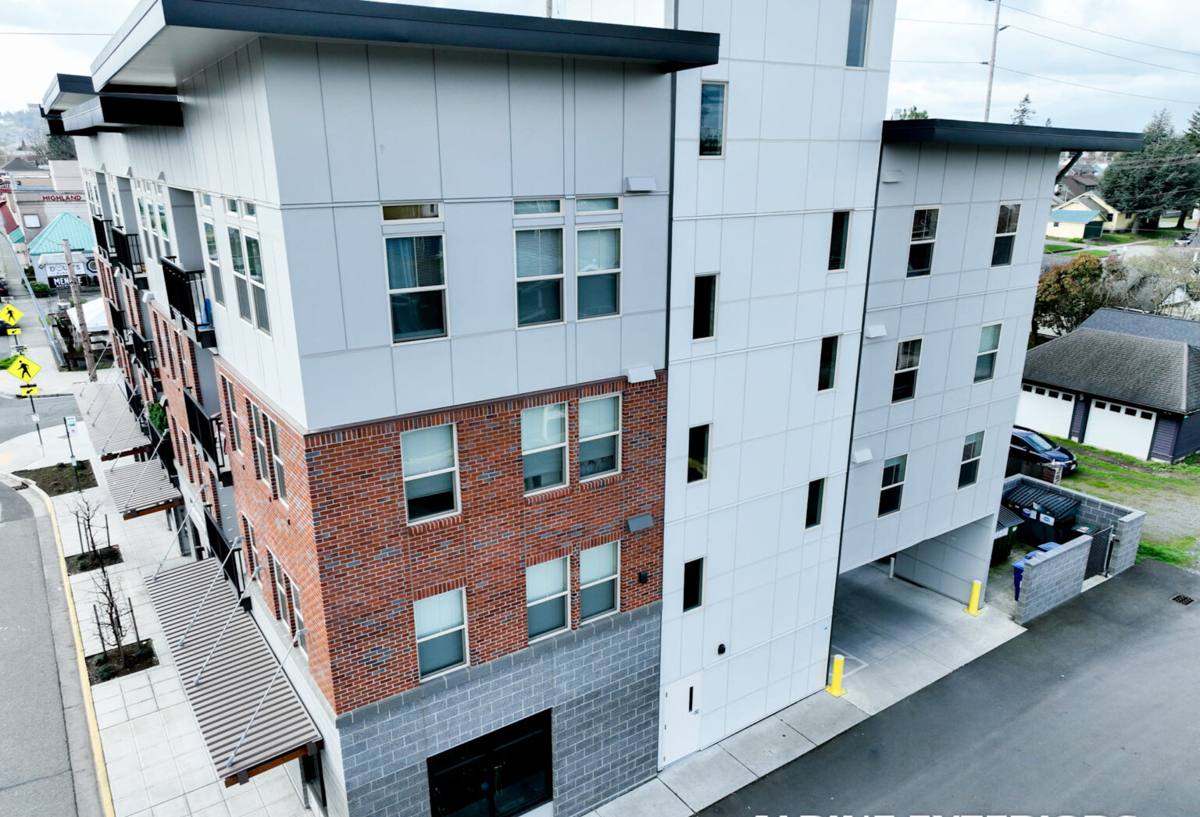
What Salt Air, Driving Rain, and Moss Actually Do to a Wall
Salt Air
Homes closer to Bellingham Bay and the surrounding waterways deal with airborne salt that settles on exterior surfaces. Over time it accelerates corrosion on fasteners, trim flashing, and any metal components in the siding assembly. It also interacts with certain paint and coating systems in ways that speed up fading and chalking.
Driving Rain
Whatcom County rain isn't always a straight-down soaking — wind off the coast can push it sideways into wall assemblies, working it up under laps and around penetrations like hose bibs, light fixtures, and vents. A siding system that depends on caulk alone to keep water out will eventually fail at these points. A correctly built system assumes water will find its way to these spots and gives it somewhere to go.
Moss and Sustained Moisture
Shaded walls, roof lines, and anything under mature trees stay damp longer here than in drier climates. Moss and algae need that sustained moisture to take hold, and once established they hold even more water against the siding surface. Materials that absorb moisture or swell when wet are far more vulnerable to this cycle than materials that don't.
Why We Install Only James Hardie Fiber Cement
We made a decision as a company to install James Hardie fiber cement siding exclusively — not vinyl, not LP SmartSide, not primed wood, not other fiber cement brands. That's not a marketing position, it's a practical one based on what holds up in this exact climate.
- Non-combustible core: fiber cement doesn't feed a fire the way wood-based products can, which matters for insurance and long-term peace of mind.
- Doesn't absorb and swell: unlike engineered wood siding, Hardie's cement-based composition doesn't take on water and swell at cut edges or exposed spots, which is exactly where a wet Pacific Northwest climate does the most damage.
- Factory-applied ColorPlus finish: baked-on in a controlled environment rather than field-painted, so the color and coating are more consistent and hold up longer against fading from sun and salt exposure than most job-site paint jobs.
- HZ5 product engineering: Hardie makes climate-specific formulations, and the versions rated for wetter, harsher regions are built with that moisture exposure in mind rather than a generic one-size-fits-all product.
- Warranty that follows the house: Hardie's product warranty is transferable, which matters to homeowners who may sell within the warranty period — a real factor in a competitive local market.
We're upfront that other products have their own selling points — vinyl is inexpensive, engineered wood is easy to work with, cedar looks great fresh off the truck. But for the way this climate treats a wall over 20-30 years, we've stopped installing anything except Hardie, and we stand behind that on every job in Columbia and across the county.
What a Correct Fiber Cement Installation Actually Involves
The material is only half the equation. A huge percentage of siding failures we get called out to inspect aren't material failures — they're installation shortcuts. Here's what has to happen for fiber cement to perform the way it's designed to in this climate.
Water Management Behind the Siding
Before a single board goes up, the wall needs a properly lapped weather-resistant barrier, correctly flashed windows and doors, and a rainscreen gap in most applications so any moisture that does get behind the siding can drain and dry out instead of sitting against the sheathing.
Fastening and Clearances
Hardie specifies exact nailing patterns, fastener types, and minimum clearances from grade, roof lines, and decks. Skipping these — using the wrong fastener, nailing too close to an edge, or setting siding too close to the ground — voids the manufacturer warranty and creates the exact moisture entry points this climate will exploit.
Joint Treatment and Caulking
Butt joints and trim transitions need to be treated as part of the water management plan, not just cosmetically caulked at the end. Where caulk is used, it needs to be a product rated for the application and reapplied as part of ongoing maintenance — caulk is a wear item, not a permanent seal.
Painting and Field Cuts
Factory-finished ColorPlus panels arrive with the coating already cured, but any field cuts need sealed cut edges, and any touch-up needs Hardie-approved products so the finish continues to perform as designed.
How the Process Works, Start to Finish
- On-site assessment: we look at your current siding, wall assembly where accessible, drainage patterns around the house, and problem areas like north-facing walls or spots with existing moss growth.
- Scope and product selection: we walk through Hardie board profiles, colors, and trim options suited to the home and to the moisture exposure of that particular elevation.
- Written estimate: a clear breakdown of materials, labor, and any additional work needed (rot repair, flashing replacement, rainscreen installation) before anything starts.
- Prep and tear-off: removal of existing siding, inspection of sheathing for hidden moisture damage, and repair of anything compromised before new material goes on.
- Weather barrier and flashing installation: the water management layer goes in correctly the first time, since it's the part nobody sees once the siding is up.
- Hardie installation to spec: fastening, clearances, and joint treatment done to manufacturer specification, not shortcuts.
- Final walkthrough: we go over the finished job with you before calling it complete.
Fiber Cement Compared to Other Siding Options
| Factor | James Hardie Fiber Cement | Vinyl | Engineered Wood (LP SmartSide) | Cedar |
|---|---|---|---|---|
| Moisture resistance | Doesn't absorb or swell | Doesn't absorb, but seams/panels can trap moisture behind them | Wood-based core can swell if edges aren't sealed and maintained | Absorbs moisture, needs consistent sealing/staining |
| Fire performance | Non-combustible | Melts/deforms under heat | Combustible | Combustible |
| Finish longevity | Factory-baked ColorPlus finish | Color molded in, can fade and chalk | Factory or field-painted, needs repainting over time | Needs regular staining/sealing to maintain appearance |
| Typical lifespan with proper install | Decades, often 30+ years | 15-25 years | 15-25 years | 15-20 years with active upkeep |
| Warranty structure | Long-term, transferable | Varies by manufacturer | Varies, moisture damage often excluded | Typically no manufacturer warranty |
This isn't a knock on the other products — vinyl and engineered wood both have legitimate uses and loyal installers. It's simply why, for the climate Columbia sits in, we standardized on one product and one installation standard rather than offering a menu of options with very different long-term outcomes.
Why Hiring a Crew That Already Works in Columbia Matters
Siding installation isn't identical everywhere. A crew that mostly works in drier inland climates may not think twice about rainscreen gaps, extra flashing at grade, or moss-prone north walls — because where they usually work, those details matter less. A crew that works Whatcom County regularly has already seen what happens when those details get skipped here, and builds them in as standard practice rather than an upsell.
Local experience also means faster, more accurate estimates. We already know the typical wall assemblies found in Columbia-area homes, the common trouble spots (older flashing details, aging trim, shaded elevations with moss buildup), and how the coastal exposure in this part of the county affects material choices and detailing.
What to Ask Any Siding Contractor Before Hiring Them
- Are they a factory-certified Hardie installer, and can they explain the specific fastening and clearance requirements they follow?
- Do they install a rainscreen or drainage gap, or just fasten siding directly over the weather barrier?
- How do they handle flashing at windows, doors, and other penetrations?
- What does their written warranty cover versus the manufacturer's warranty?
- Can they point to work they've done in this specific climate, not just generally in the region?
What Homeowners Should Expect for Upkeep After Installation
Correctly installed Hardie siding is low-maintenance, not no-maintenance. In this climate, that means a periodic rinse to keep moss and algae from establishing on shaded walls, an eye on caulk joints every few years since caulk is a wear item, and prompt attention to anything that looks like a new gap, crack, or water stain. None of this is heavy lifting, but staying ahead of small issues is what keeps a well-installed system performing for decades instead of running into trouble at year eight or ten.
Get a Straight Answer About Your Home
If your current siding is showing its age, holding moss it never used to, or you're just planning ahead for a Columbia home that needs to handle another few decades of Whatcom County weather, we're happy to take a look and give you an honest assessment. There's no pressure and no obligation — just a clear look at what your home actually needs. Use the form below to request a free estimate.