 Whatcom County
 Window Replacement in Everson, Washington
Everson sits in a part of Whatcom County where the Nooksack River valley, open farmland, and proximity to the Salish Sea combine into a specific kind of weather load on a house. Homes here deal with driving rain off the water, damp air that never fully clears in winter, and a moss season that stretches longer than most homeowners want to admit. Windows are one of the first places that weather finds a way in. If you've got sashes that stick, glass that fogs between the panes, or trim that stays dark and wet long after a storm passes, that's not cosmetic — it's the window telling you it's losing the fight.
We work Everson and the surrounding Whatcom County towns regularly, which matters more than it sounds like. A window that performs fine in a dry inland climate can fail early here if it wasn't installed with this region's rain and moisture in mind. This page covers what a correct window replacement looks like for an Everson home specifically — not a generic national rundown.
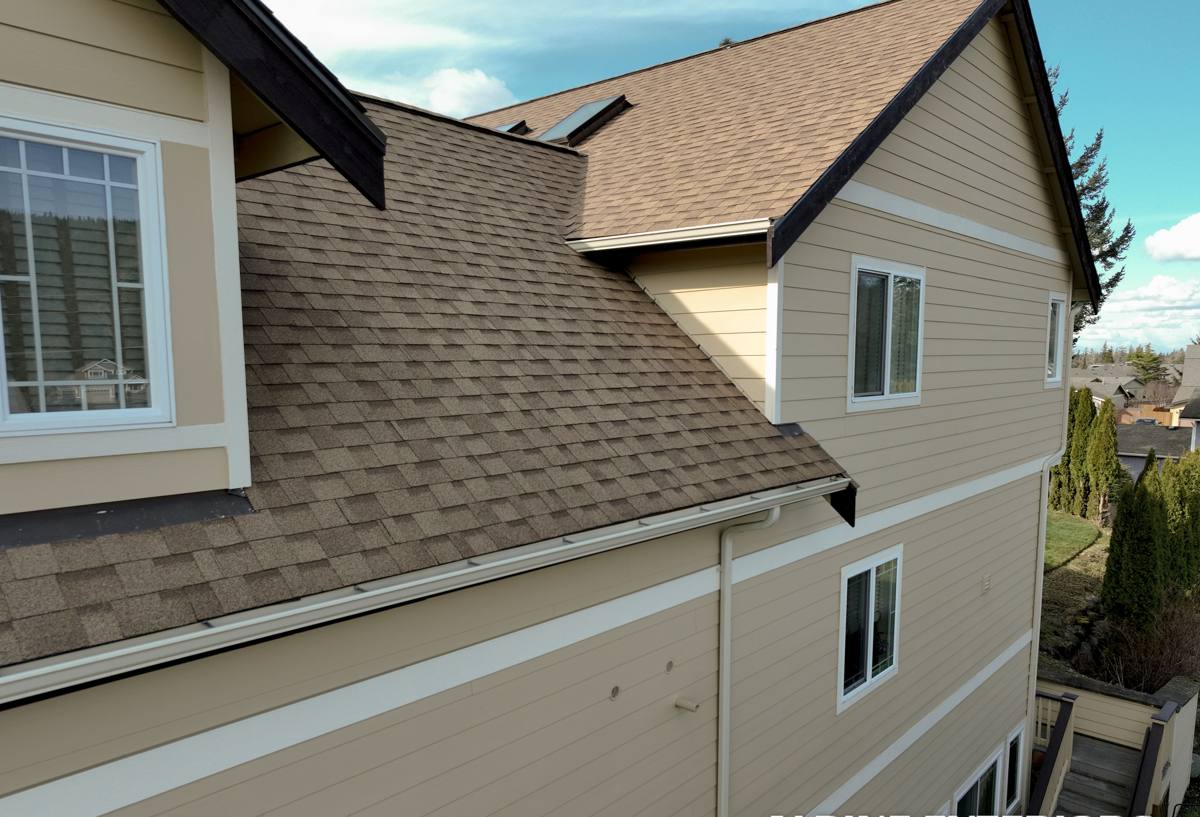
What This Climate Does to Windows
Whatcom County isn't coastal in the dramatic sense, but it's close enough to the Salish Sea and open enough to weather systems moving in off the water that homes here take on a steady dose of wind-driven rain, humidity, and salt-laden air. Add the valley's fog and the shaded, slow-drying conditions that let moss and algae take hold on north-facing walls and trim, and you get a set of failure patterns that show up again and again on older windows:
- Wood sash and frame rot — especially on the bottom rail and sill, where water sits longest.
- Failed seals on double-pane glass — visible as fogging or a milky ring between the panes.
- Swollen or sticking sashes — wood or composite frames that have absorbed moisture and no longer move freely.
- Soft or stained trim and casing — a sign that water is getting behind the window, not just landing on it.
- Moss and algae staining below the sill — often the first visible clue that water is shedding poorly off the window and running down the siding.
None of these are unusual for a house this region's age and exposure. What matters is catching them before the rot spreads into the wall framing, and replacing the window with something detailed correctly for wet-climate performance — not just swapping glass and hoping.
What a Correct Job Actually Involves
Window replacement has two halves, and homeowners usually only think about the first one: the window itself. The second half — how it's flashed and sealed into the wall — is where most of the long-term performance actually comes from, and it's where a lot of shortcuts happen.
The Window Unit
We look at frame material, glass package, and hardware based on the specific opening — a west-facing window catching afternoon rain gets evaluated differently than a sheltered window on a covered porch. For this climate, we generally steer toward vinyl or fiberglass frames with a proven track record in wet, moderate-temperature environments, and we're candid with homeowners about the trade-offs of every option, including ones we don't typically recommend for this exposure. That's a professional judgment call about maintenance burden and moisture behavior, not a knock on any manufacturer.
Flashing and Water Management
This is the part that actually keeps water out of your wall over the next 20 years. A correct install includes:
- Removing the old window fully and inspecting the rough opening and sill for hidden rot before anything new goes in.
- Installing a sloped sill pan so any water that gets past the window drains back outside instead of pooling.
- Flashing tape or housewrap integration at the sides and head, lapped correctly so water sheds down and out, not into the wall cavity.
- Proper shimming and fastening so the frame isn't racked, which affects both operation and the seal.
- Sealing and trimming the exterior so the finished look sheds water and doesn't trap moisture behind it.
Skip the sill pan or lap the flashing wrong, and you can install the best window on the market and still get rot in the wall within a few years. This is the step that separates a durable install from one that just looks fine on installation day.
Interior Finish
Once the window is set and weathertight from the outside, we finish the interior — insulation around the frame, trim, and paint or stain to match. We check operation, latch alignment, and that the sash seals fully before we call it done.
Signs an Everson Home Needs Replacement, Not Repair
Not every problem window needs full replacement. Sometimes a reglaze, new weatherstripping, or a hardware adjustment solves it. Here's a rough guide to which side of the line you're likely on:
| Symptom | Often Repairable | Usually Needs Replacement |
|---|---|---|
| Drafty but glass is clear | Weatherstripping or hardware fix | — |
| Fogging between panes | — | Seal has failed; glass unit or window replacement |
| Sash sticks in damp weather | Sometimes — planing or hardware | If frame has swollen or warped |
| Soft wood at the sill or bottom rail | — | Rot; replacement needed |
| Moss/algae staining below window | Cleaning helps short-term | If it recurs yearly, water is shedding poorly — investigate flashing |
| Single-pane glass, no storm window | — | Replacement for efficiency and comfort |
If you're not sure which category you're in, that's a reasonable thing to have us look at before spending money either direction.
Why a Crew That Works This Area Already Matters
Everson isn't a huge market on its own, but the building conditions here — the valley fog, the river proximity, the exposure to rain coming off the Sound — are consistent across this part of Whatcom County. A crew that installs windows regularly in this specific climate has already seen which details actually matter here: where sill pans get skipped on older homes, which frame materials hold up against the moisture load, and how long moss season really runs before it starts affecting wood trim. That's not something you get from a national install guide. It comes from doing the work in this weather, on this kind of housing stock, repeatedly.
It also means we're not guessing at code or permitting requirements for the county, and we're not learning on your house how local wall assemblies are typically built.
Our Process for an Everson Window Replacement
- On-site assessment. We look at each window in question, check for hidden rot at the sill and frame, and talk through what's actually failing versus what's cosmetic.
- Honest recommendation. Repair, partial replacement, or full replacement — whichever fits the actual condition, not the most expensive option.
- Written estimate. Clear scope, materials, and cost before any work starts.
- Removal and inspection. Old window comes out, framing gets checked for rot or moisture damage that needs addressing before the new unit goes in.
- Correct installation. Sill pan, flashing, shimming, and sealing done in the order that actually keeps water out — not shortcuts hidden behind trim.
- Finish and walkthrough. Interior trim, operation check, and a final look together before we consider the job done.
What to Ask Before Hiring Anyone for This Work
- Do you install a sloped sill pan on every replacement, or only when asked?
- How do you flash the sides and head of the window into the existing wall system?
- What happens if you find rot in the framing once the old window is out?
- What's the warranty structure — on the window itself, and separately on your installation labor?
- Can you explain, in plain terms, why you'd choose one frame material over another for this specific window's exposure?
A contractor who answers these clearly and specifically, without dodging into brochure language, is generally one who actually does the detail work — not just the visible part.
Cost Factors Worth Understanding
We don't publish blanket pricing because window replacement cost genuinely depends on the specifics of your home, but these are the factors that move the number most:
| Factor | Why It Matters |
|---|---|
| Frame material | Vinyl, fiberglass, and clad-wood carry different upfront and long-term maintenance costs. |
| Extent of rot found on removal | Hidden framing damage adds repair scope you can't fully price until the old window is out. |
| Number and size of openings | Larger or multiple windows scale cost, but often improve per-unit efficiency. |
| Glass package | Double vs. triple pane, low-E coatings, and gas fill all affect price and performance. |
| Trim and finish work | Matching existing exterior trim or upgrading it adds labor and material. |
Get a Straight Answer on Your Windows
If your windows are sticking, fogging, or showing staining and moss below the sill, it's worth having someone look before another wet season passes. We'll give you a straightforward assessment of what's actually going on and what it would take to fix it right — no pressure, no upsell. Use the form below to request a free estimate for your Everson home.