 Whatcom County
 Why Birchwood Homes Need Windows Built for This Climate
Birchwood sits close enough to the water and the weather patterns that roll off it that window performance here isn't just a comfort issue — it's a moisture-management issue. Whatcom County gets a long, wet fall-through-spring stretch, and homes near the coast add salt-laden air into the mix. That combination is hard on window frames, hardware, and seals in ways that inland homes never have to deal with. A window that holds up fine in a dry climate can start failing here in five or six years if it wasn't specified and installed with our conditions in mind.
Three things define what a window has to survive in this part of Whatcom County: near-constant humidity for months at a time, driving rain that gets pushed sideways into wall assemblies during storms, and a moss and algae season that can run eight or nine months out of the year on north- and west-facing exposures. None of that is exotic — it's just Pacific Northwest coastal weather — but it means the margin for error on flashing, sealant choice, and frame material is smaller than it would be somewhere drier.
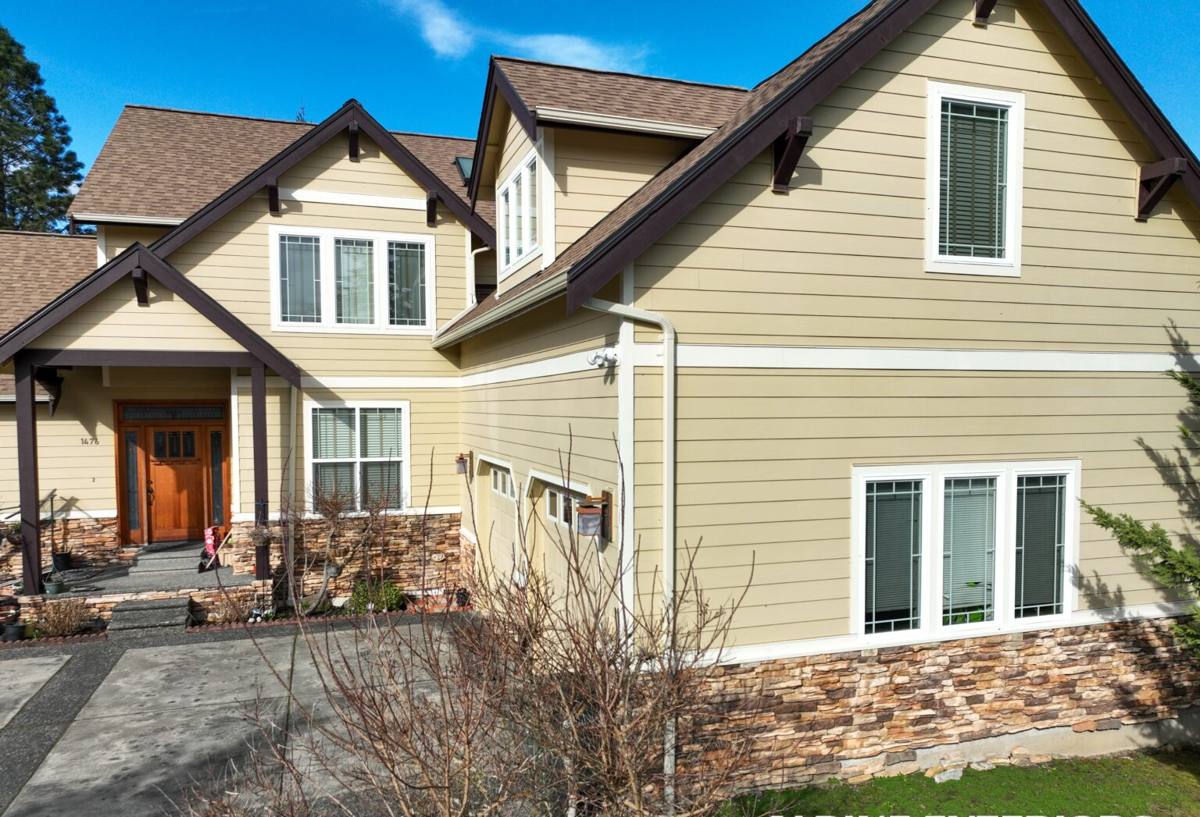
What "Correct" Actually Means for a Window Install Here
A window that looks right from the curb can still be wrong underneath. Most window failures we get called out to inspect in Birchwood aren't the window unit itself — they're the installation detailing around it. Given the rain load this area sees, a few things aren't optional:
- Proper flashing sequence (weather-resistive barrier lapped over the head flashing, sill pan installed before the unit goes in, not caulked in as an afterthought)
- A sloped sill pan that actually drains water back out, not just a flat surface that traps it against the framing
- Backer rod and sealant sized correctly for the gap, not just a bead of caulk smeared over a joint
- Frame material and glazing rated for the exposure the window will actually face (south/west walls take more weather than north/east)
- Fasteners and hardware that won't corrode faster than the window itself in a salt-air environment
Skip any one of these and you can end up with a window that looks fine for a year or two and then starts showing water staining, soft framing, or fogged glass — usually right around the time the installer is long gone.
Why Flashing Detail Matters More Here Than Elsewhere
Driving rain doesn't fall straight down in a coastal wind event — it gets pushed horizontally into the wall, which means water finds its way behind trim and siding at the window opening far more aggressively than in a sheltered inland location. The flashing and sill pan are what stop that water from tracking into the wall cavity. This is the single most common corner cut on budget window jobs, and it's also the one that costs the most to fix later, because by the time you notice a problem the damage is usually inside the wall, not on the surface.
Window Material Options for Birchwood Conditions
There isn't one "best" window material for every house — it depends on the home's exposure, age, and how it's built. Here's how the common options actually perform in our climate, without the marketing spin:
| Material | How It Handles Our Climate | Trade-Offs to Know |
|---|---|---|
| Vinyl | Good moisture resistance, low maintenance, handles salt air well | Can flex or discolor over decades of UV and temperature swings; limited color/repair options once installed |
| Fiberglass | Very stable in wet/dry cycling, holds paint well, strong against warping | Higher upfront cost than vinyl; fewer installers stock it locally, so lead times can run longer |
| Wood (clad exterior) | Warm interior look, good insulator | Exposed wood or poorly maintained cladding is genuinely at risk in a moss-and-rain climate; needs a disciplined maintenance schedule |
| Aluminum | Durable frame, slim sightlines | Conducts cold and can condense/sweat in our humid winters unless thermally broken; salt air will attack unprotected aluminum over time |
For most Birchwood homes we're steering people toward vinyl or fiberglass for anything facing weather, and reserving wood-look interiors (with a clad, protected exterior face) for owners who specifically want that look and are prepared to keep up with it. We're not against wood windows — we just won't install exposed wood on a west-facing wall a hundred yards from salt air and call it low-maintenance, because that's not honest.
Signs Your Current Windows Are Losing the Fight
Before we quote a replacement, we look for these — and you can check most of them yourself:
- Fogging or a visible haze between the panes (failed seal on a double-pane unit)
- Soft, dark, or bubbling trim/sill wood around the window frame
- Moss or dark green-black streaking building up on the sill or lower corners faster than the rest of the wall
- Drafts you can feel with a hand near the frame on a windy day
- Difficulty opening, closing, or latching — frames swell and warp with moisture cycling
- Paint or caulk cracking and pulling away from the frame edge within a couple of years of being redone
Any one of these on its own might just need a repair or a re-caulk. Several of them together, especially on the same wall, usually points to a flashing or sealing problem behind the trim — which means the window itself may be fine, but the install around it isn't.
Our Process for a Birchwood Window Job
1. On-Site Assessment
We look at each opening individually — sun and wind exposure, current framing condition, and whether there's any sign of existing water intrusion. Not every window on a house needs the same solution.
2. Removal and Framing Check
Old units come out carefully so we can actually see the header, sill, and jack studs before anything new goes in. This is the point where hidden moisture damage from a prior bad install usually shows up, and it needs to be dealt with before a new window goes in, not covered over.
3. Sill Pan and Flashing
Sloped sill pan first, then the weather-resistive barrier and flashing tape sequenced correctly — each layer overlapping the one below it so water is always directed outward, never trapped.
4. Setting the Window
Unit is shimmed level and plumb, fastened per the manufacturer's schedule (which matters for both structural performance and warranty coverage), and checked for square before anything is sealed.
5. Sealing and Trim
Backer rod and a sealant rated for exterior movement and UV exposure — not a generic caulk that'll crack out in a season or two. Trim goes back on, or new trim if the old material was compromised.
6. Final Walkthrough
We operate every window with you before we call the job done — smooth operation, tight seal, and a look at the finished exterior detailing so you know what was done and why.
What Drives the Cost of a Window Job Here
| Factor | Why It Matters |
|---|---|
| Number and size of openings | Bigger picture windows and multi-unit combinations cost more in both material and labor |
| Frame material chosen | Vinyl is typically the most affordable; fiberglass and clad-wood cost more upfront |
| Condition of existing framing | Rot or water damage found during removal adds repair scope before the new window can go in |
| Exposure and wall height | Second-story and heavily exposed walls take more time and access equipment |
| Trim and finish work | Matching existing trim profiles or upgrading trim material adds to the scope |
Every one of these varies house to house, which is why we don't quote window jobs over the phone — we want eyes on the actual openings first.
Maintenance That Actually Extends Window Life Here
A correctly installed window in Whatcom County still needs some upkeep given the moss season and salt air — it's just not much:
- Rinse sills and lower frames a couple of times a year to keep moss and algae from getting a foothold
- Check and re-bead exterior caulk lines every few years — sealant is a wear item, not a permanent fix
- Keep gutters and downspouts clear so overflow isn't running down the wall past your windows
- Operate every window at least a few times a year, even the ones you rarely open, so hardware doesn't seize
- Watch for paint failure right at the sill line — it's usually the first place a moisture problem shows up
Why a Crew That Already Works Birchwood Makes a Difference
Window installation is one of those trades where the general principles are the same everywhere, but the details that actually matter shift with the climate. A crew that mostly works drier inland projects can put in a technically fine window and still get the flashing sequence wrong for what this specific wall will face in a January storm — because that's not the failure mode they're used to seeing. Working Whatcom County and the Birchwood area regularly means we've already seen how these homes age in this weather, which openings tend to take the worst of it, and which shortcuts show up as callbacks two or three winters later. That's not a sales pitch, it's just what repetition in one climate teaches you.
If you're weighing a window replacement or you've got one or two openings that seem to be losing the battle with moisture, we're happy to come take a look and give you a straight read on what's actually going on — no pressure, no upsell script. Reach out for a free estimate using the form below.