 Whatcom County
 Deck Replacement Built for Happy Valley's Climate
Happy Valley sits in a part of Whatcom County where decks take a beating in ways that don't show up in a glossy brochure. Salt-laden air off the Sound, long stretches of driving rain from fall through spring, and a moss season that can run six months or more all work against wood, fasteners, and finishes at the same time. A deck that would last two decades in a dry inland climate can start failing in half that time here if it wasn't built — or replaced — with these conditions in mind.
When we replace a deck in Happy Valley, we're not just swapping old boards for new ones. We're looking at how the structure has held up under years of moisture cycling, what's happening underneath where nobody sees it, and what materials and details will actually hold up going forward rather than just looking good on install day.
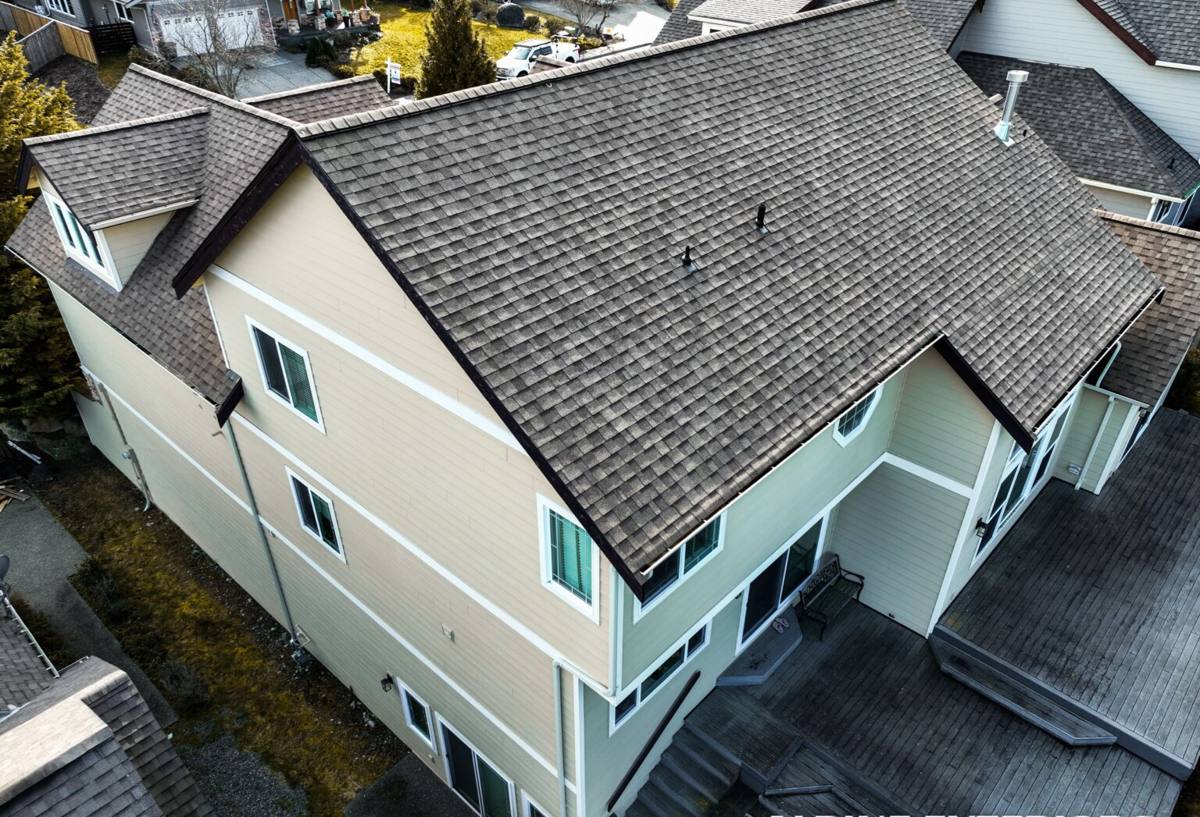
Why Decks Fail Faster in This Part of Whatcom County
Salt Air and Metal Fasteners
Homes closer to the water deal with airborne salt that accelerates corrosion on nails, screws, joist hangers, and structural connectors. Once a fastener starts rusting, it loses holding strength long before the wood around it looks obviously bad. This is one of the most common hidden problems we find when we pull up old decking — boards that look servicable but are held down by fasteners that have lost most of their grip.
Driving Rain and End-Grain Absorption
Rain here doesn't just fall straight down — wind-driven rain gets up under boards, into end cuts, and around post bases. Wood soaks up water fastest through end grain, which is exactly where most deck boards get cut and exposed during construction. If those cuts aren't sealed and the structure doesn't shed water properly, boards cup, crack, and rot from the inside out well before the surface shows serious damage.
Moss, Algae, and Trapped Moisture
A long moss season means organic growth gets a real foothold on any deck surface that doesn't dry out quickly — shaded areas, tight board spacing, and anywhere debris collects between boards. Moss and algae hold moisture against the wood surface, which speeds up rot and makes the deck slicker and more dangerous to walk on, especially on stairs.
Signs a Happy Valley Deck Needs Replacement, Not Repair
- Soft, spongy spots in the decking or on stair treads when you walk on them
- Rust streaking around fastener heads or visibly corroded joist hangers
- Gaps opening up between boards from cupping or warping
- Post bases or ledger board areas that stay damp long after rain stops
- Railings that flex or wiggle more than they used to
- Persistent moss or algae that comes back within weeks of cleaning
- Visible rot at board ends, stair stringers, or where the deck meets the house
A few of these on their own might mean a repair is enough. Several together — especially anything involving the structural framing, ledger board connection, or post footings — usually means the deck has reached the point where a full replacement is the honest recommendation, not a patch job that buys another season or two.
What a Correct Deck Replacement Involves
Starting With the Structure, Not Just the Surface
The framing underneath is what actually holds the deck up, and it's the part most homeowners can't inspect themselves. A proper replacement means checking joists, beams, posts, and footings for rot and adequate sizing, not just laying new boards over an old frame and hoping it holds. In a climate that cycles wet and dry as often as Whatcom County's does, we've seen decking replaced two or three times over a frame that should have been rebuilt the first time.
Ledger Board Attachment
Where the deck attaches to the house is one of the most common failure points anywhere, and it's especially important here because water intrusion at the ledger can lead to rot in the house's rim joist, not just the deck. Correct flashing and proper fastening at this connection is non-negotiable — it's the difference between a deck that's structurally sound and one that's quietly damaging your home.
Fastener and Hardware Selection
Given the salt air exposure in Happy Valley, we use corrosion-resistant fasteners and structural connectors rated for the environment, not whatever's cheapest at the lumber yard. This is a small line item in the total cost of a deck replacement and one of the biggest factors in how long the structure actually lasts.
Drainage and Airflow Underneath
A deck that can't breathe underneath traps moisture no matter how good the materials are on top. Proper spacing, grading away from the house, and keeping the area under the deck from becoming a moisture trap all matter as much as what you see on the surface.
Decking Material Options for This Climate
There's no single "best" decking material for every homeowner — it comes down to budget, maintenance tolerance, and how long you want the deck to last without major upkeep. Here's how the common options compare for a Whatcom County property dealing with salt air, rain, and moss:
| Material | Moisture Resistance | Maintenance | Typical Lifespan Here |
|---|---|---|---|
| Pressure-treated wood | Good if sealed regularly | Annual cleaning and resealing | 10–15 years |
| Cedar | Naturally decent, degrades if unsealed | Regular sealing/staining | 12–18 years |
| Composite decking | Very good, doesn't absorb water like wood | Periodic cleaning, no sealing | 20–25+ years |
| PVC/vinyl decking | Excellent, fully impervious to moisture | Minimal — occasional wash | 25+ years |
Composite and PVC decking cost more upfront but hold up notably better against the moss-and-moisture cycle that's hard on wood in this area. Wood decking isn't a bad choice — it's a legitimate option, especially on a tighter budget — but it needs a real maintenance commitment to reach its full lifespan here. We'll walk through the honest trade-offs for your specific deck rather than push one product over another.
Our Deck Replacement Process
- On-site assessment — we inspect the existing deck's framing, ledger connection, footings, and decking to determine what's actually salvageable versus what needs to go
- Written scope and estimate — a clear breakdown of what's being replaced, what materials are proposed, and why, so there are no surprises once work starts
- Demolition and disposal — full removal of the old deck surface and any compromised framing, hauled off the property
- Structural rebuild — new or reinforced framing, corrosion-resistant hardware, and correct ledger flashing where the deck meets the house
- Decking installation — your chosen material installed with proper spacing and fastening for drainage and long-term stability
- Railings and stairs — replaced or rebuilt to current code requirements, which matters both for safety and for resale down the line
- Final walkthrough — we go over the finished deck with you before calling the job done
Why Hiring a Crew That Works Happy Valley Matters
A deck built to generic specs works fine in a lot of the country. It doesn't automatically hold up in a Whatcom County microclimate shaped by salt air, sustained rain, and prolonged moss exposure. A crew that regularly works Happy Valley and the surrounding area already knows which fastener grades hold up, where moss tends to establish itself fastest, and which structural details actually matter here versus which ones are just code minimums.
That local experience shows up in decisions that aren't always visible on the surface — how the ledger is flashed, what hardware goes into the framing, how the decking is spaced for drainage. Those are the details that decide whether a deck lasts 10 years or 25.
What to Expect Cost-Wise
Deck replacement costs vary widely based on size, framing condition, decking material, and railing/stair complexity. As a general range, straightforward wood deck replacements tend to fall on the lower end, while larger composite or PVC decks with custom railings run higher. Rather than guess at a number that doesn't apply to your project, we'll give you an honest, itemized estimate after seeing the deck in person — that's the only way to price it accurately.
Get a Free, No-Pressure Estimate
If your deck in Happy Valley is showing signs of wear — soft spots, rust stains, persistent moss, or just age — we're happy to take a look and give you a straight assessment of whether it needs repair or full replacement. There's no obligation and no pressure. Fill out the form below and we'll set up a time to come out.