 Whatcom County
 Replacing a Deck in Edgemoor's Coastal Climate
Edgemoor sits on wooded, bluff-top ground above Bellingham Bay, and that setting is a mixed blessing for anything built outdoors. The tree canopy and water views that make the neighborhood desirable also mean decks here deal with a specific combination of stresses: salt-tinged air moving up off the bay, driving rain that doesn't always fall straight down, and shade from mature trees that keeps wood and composite surfaces damp long after a storm has passed. A deck has no roof and no siding to shield it from any of that. It's the most exposed structure on most homes, and in Edgemoor it's exposed to a climate that's harder on outdoor materials than a lot of homeowners expect.
This page is specifically about deck replacement for Edgemoor homes — not general deck-building advice, but what it actually takes to tear out a worn or failing deck in this part of Bellingham and rebuild one that holds up. We'll cover what the climate does to a deck here, how to tell when repair isn't enough, what a correct replacement involves, and why hiring a crew that already works this neighborhood makes a practical difference.
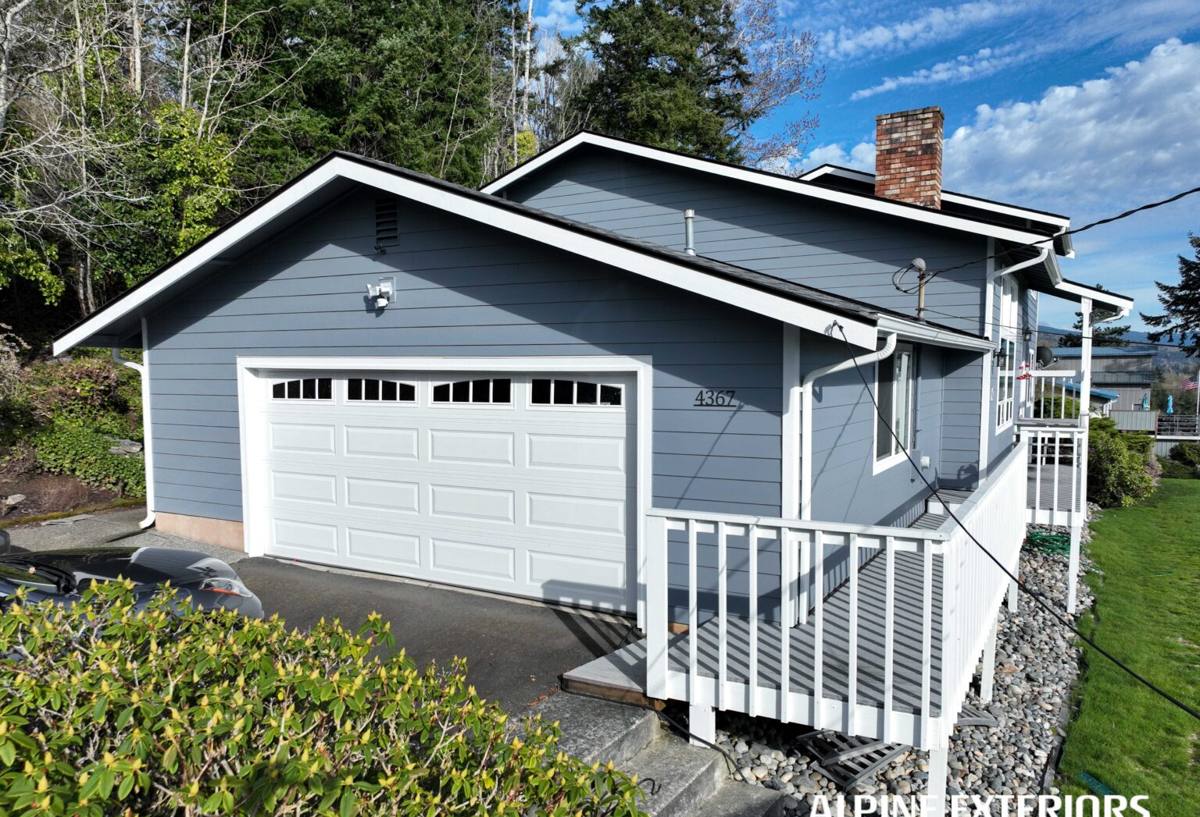
What Edgemoor's Climate Does to a Deck
Bluff-Top Salt Exposure
Homes set above Bellingham Bay catch a steadier flow of salt-laden air than properties further inland in Whatcom County, and a deck sits directly in that airflow with nothing between it and the weather. Salt speeds up corrosion in exposed metal — screws, joist hangers, post bases, railing brackets — and a fastener that's corroding loses grip strength well before it looks obviously bad. On a structure people walk and stand on every day, that's not a small detail.
Wind-Driven Rain
Storms coming off the water don't just drop rain straight down; wind pushes it sideways and up under railings, into ledger connections, and between deck boards that aren't spaced correctly. A deck built for calmer conditions can look fine on a dry day and still be trapping water at the framing level every time it rains with any wind behind it, which around here is often.
Tree Cover, Shade, and a Long Moss Season
Edgemoor's mature trees are part of what makes the neighborhood what it is, but that same canopy keeps decks shaded and slow to dry for much of the year. Combined with Bellingham's generally wet, mild climate, that shade extends the moss and algae season on deck surfaces well beyond what a sun-exposed lot elsewhere in the county would see. Moss holds moisture against the decking material, and on wood in particular, sustained dampness is what drives rot rather than any single storm.
Signs an Edgemoor Deck Needs Replacing, Not Just Repair
Not every aging deck needs to come out. A localized problem — a few soft boards, a loose railing, one corroded bracket — is often a legitimate repair. Replacement becomes the right call when the damage has reached the framing, when it shows up in more than one area, or when the deck was built to a standard that doesn't hold up here regardless of how it's patched. Walk your deck and check for these:
- Boards that feel soft, spongy, or flex noticeably underfoot, especially near the house or in shaded areas
- Rot or dark staining at the ledger board where the deck attaches to the house
- Support posts that have shifted, are no longer plumb, or show soft wood near ground contact
- Rust streaking around fastener heads or visibly corroded hardware
- Moss or algae that regrows within weeks of cleaning, even on a surface that's been power-washed
- Widening gaps, cupping, or splintering across multiple boards rather than one or two
- A noticeable bounce or give in the deck surface when you walk across it
- A structure more than 15-20 years old that was built before current fastening and flashing standards
If what you're seeing is confined to a board or two and the framing underneath is sound, repair is usually the honest answer and we'll say so. If the damage has reached the ledger, the joists, or the posts, patching the surface just delays a bigger problem and hides it under new boards in the meantime.
What a Correct Deck Replacement Involves Here
Full Tear-Off and Framing Inspection
A real replacement starts with removing the old decking down to the framing so it can actually be inspected, not just re-decked over. This is where hidden rot at the ledger, sistered joists, or a post that's been quietly failing for years gets found. Skipping this step and just laying new boards over old framing is one of the more common shortcuts we see, and it's also how a homeowner ends up replacing decking twice in one decade instead of once.
Ledger Board and Flashing Detail
The ledger — where the deck bolts to the house — is the single most common failure point on decks in this climate, because it's a horizontal connection sitting right where wind-driven rain wants to collect. Correct flashing here means water is directed away from the ledger and the house's wall assembly behind it, not just caulked and hoped for. Given how much of Edgemoor's rain arrives at an angle, this detail matters more here than it would in a drier, calmer region.
Fastener and Hardware Grade
Given the salt exposure on bluff-top and bay-facing lots, we spec corrosion-resistant fasteners and structural hardware rated for coastal use, not standard interior-grade hardware that happens to be sold for outdoor projects. The price difference is modest; the difference in how long the connections actually hold is not.
Drainage and Airflow Underneath
A deck that traps standing water or still air underneath stays damp longer after every rain, which feeds rot and moss regardless of what decking material sits on top. Correct grading, gapping, and ventilation under the structure are part of a proper rebuild, not an optional upgrade.
Decking Material Options for an Edgemoor Rebuild
There's no single "correct" decking material for every home — budget, look, and maintenance tolerance all factor in. What matters is understanding how each option actually behaves under Edgemoor's specific combination of shade, salt air, and sustained moisture.
| Material | Moisture & Moss Behavior | Maintenance | Typical Lifespan Here |
|---|---|---|---|
| Pressure-treated wood | Absorbs moisture; prone to moss growth in shaded areas without regular cleaning and sealing | Annual cleaning and periodic sealing or staining | 10-15 years before major repair or replacement |
| Cedar | Naturally moisture-resistant but still needs sealing to hold up under sustained dampness and shade | Regular sealing/staining; more upkeep than composite | 15-20 years with consistent maintenance |
| Capped composite | Moisture-resistant cap sheds water and resists moss better than uncapped wood, though shaded areas still need periodic cleaning | Occasional washing; no sealing or staining required | 25-30 years, manufacturer-dependent |
| Cellular PVC | Fully synthetic; doesn't absorb moisture, which limits rot risk to zero on the board itself | Lowest maintenance of the group; occasional washing | 25-30+ years |
In a shaded, salt-exposed neighborhood like Edgemoor, capped composite and cellular PVC generally hold up with less ongoing upkeep than wood. That said, plenty of homeowners want the look and feel of real wood and are willing to keep up with the maintenance it requires — that's a legitimate choice as long as it's made with clear eyes about the sealing schedule it commits you to.
Our Deck Replacement Process
- Site walk and assessment: We look at the existing deck, note visible damage, and check for framing issues that may not be obvious from the surface.
- Structural evaluation during tear-off: Once the old decking is removed, we confirm the actual condition of the ledger, joists, and posts before finalizing the scope of work.
- Material and design decisions: We walk through decking material, railing style, and layout options based on your budget, the home's exposure, and how you use the space.
- Permitting: Deck replacement in Bellingham typically requires a permit depending on size, height, and scope; we handle that process rather than leaving it on the homeowner.
- Rebuild: Framing repairs or replacement, correct ledger flashing, corrosion-resistant fastening, and decking installation, in that order.
- Final walkthrough: We go over the finished deck with you, including basic care guidance specific to whatever material you chose.
Why a Crew That Already Works Edgemoor Matters
Edgemoor isn't a generic Bellingham lot. Bluff-top wind exposure, tree canopy that keeps parts of a property shaded most of the day, and older homes with framing that doesn't always match current building standards are all things a crew working this neighborhood regularly has already dealt with, repeatedly. That familiarity shows up in decisions that don't make it onto a quote sheet: which side of a lot dries slowest and needs extra ventilation underneath, where salt exposure is worse due to bluff position, and which older framing quirks are worth flagging before they turn into a change order mid-project.
A crew that mostly builds decks elsewhere in the county can still do competent work, but they're often learning Edgemoor's specific exposure on your project instead of already knowing it. We also handle roofing, siding, and windows, so if a deck problem turns out to be connected to something else going on with the house — a leaking wall assembly near the ledger, for instance — we can flag it honestly instead of only looking at the deck in isolation.
Get a Straight Answer About Your Deck
Whether your deck has clear rot and needs a full rebuild, or you just want an honest read on whether repair is still a reasonable option, we're glad to take a look and tell you what we actually see. Reach out using the form below to schedule a free, no-pressure estimate for your Edgemoor home.