 Whatcom County
 Edgemoor's Roofs Work Harder Than Most
Edgemoor sits close enough to Bellingham Bay that salt-laden air is a constant presence on the roofline, not an occasional nuisance. Add the driving rain that comes through Whatcom County during fall and winter storm systems, plus a moss season that can run most of the year under the area's tree cover, and you've got a roof that's dealing with three separate stressors at once. A repair that only addresses the visible damage and ignores the underlying conditions tends to fail again within a season or two.
Storm damage roof repair in this neighborhood isn't just about patching what a wind event or heavy rain exposed. It's about understanding why that spot failed in the first place and making sure the repair holds up against the same conditions next winter.
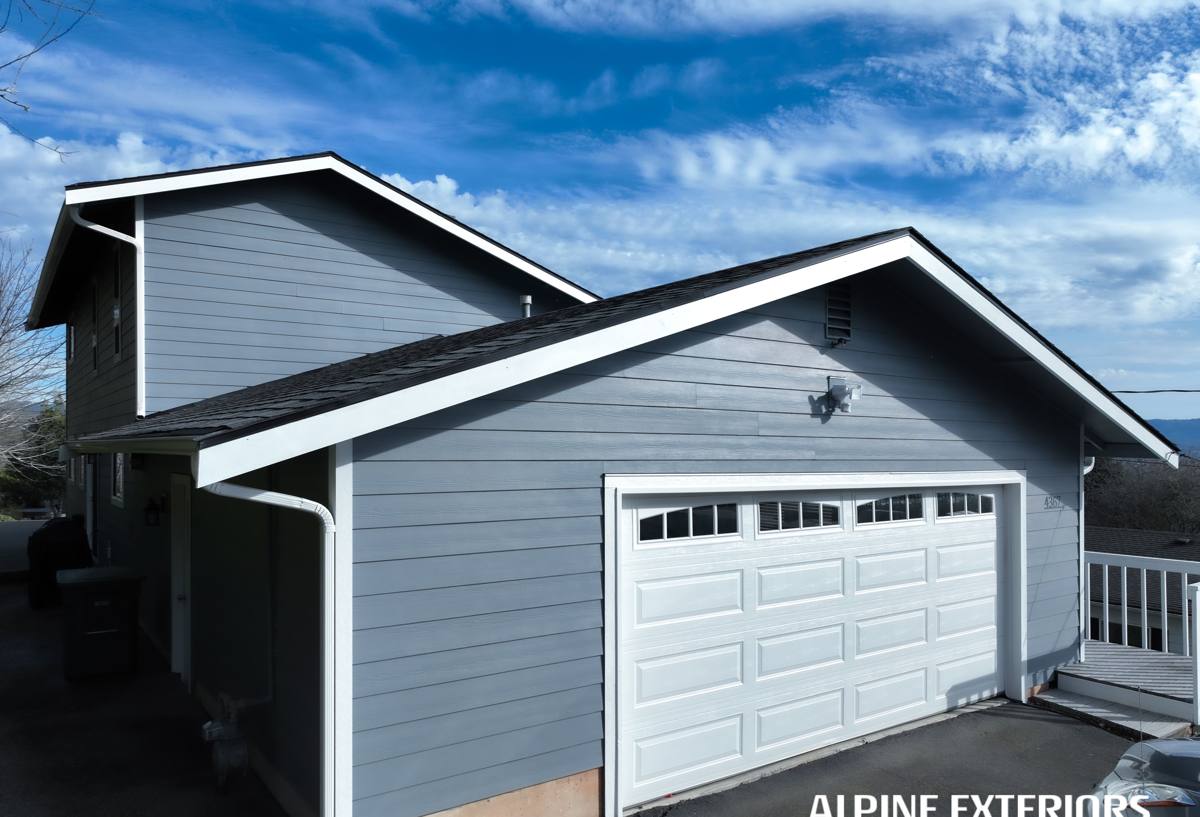
What Storm Damage Actually Looks Like Here
Not every storm leaves obvious signs. Some of the most damaging events are the ones that don't blow shingles off the roof but instead work moisture into places it shouldn't be. Here's what we typically find after wind and rain events in this area:
- Lifted or creased shingle tabs along ridgelines and roof edges, where wind uplift is strongest
- Granule loss on asphalt shingles, often showing up as dark streaking in gutters or downspouts
- Flashing pulled loose around chimneys, skylights, and roof-to-wall transitions
- Moss and organic buildup trapping moisture against the roof deck, especially on north-facing slopes
- Soft or discolored decking visible from the attic, indicating a slow leak rather than a sudden one
- Debris punctures from tree limbs, common where mature trees overhang the roof
The moisture-related damage is the one homeowners miss most often, because it doesn't announce itself with a missing shingle. It shows up months later as a stain on a ceiling, long after the storm that caused it.
Why Moss Complicates Storm Damage
A roof that's already carrying a moss load doesn't shed water the way it's supposed to. During a heavy rain event, water backs up under moss mats instead of running off, which means storm damage on a mossy roof is rarely an isolated event — it's usually compounding damage that started well before the storm. Any honest repair on an Edgemoor roof has to deal with the moss problem as part of the fix, not as a separate job for later.
What a Correct Repair Involves
A storm damage repair done right addresses four things, in order:
- Stop active water intrusion. If there's an open path for water, that gets sealed or covered first, even temporarily, before anything else happens.
- Assess the deck, not just the surface. Shingles and flashing are easy to see. The plywood or plank decking underneath them is where the real cost of a delayed repair shows up — soft, delaminated, or rotted decking has to be replaced, not covered over.
- Match the repair to the surrounding roof. Patch materials that don't match the age, color, or type of the existing roofing create a weak seam and stand out visually. On an older roof, that sometimes means a larger repair area than the storm damage itself, so the transition holds.
- Restore proper drainage and airflow. If moss, debris, or a clogged valley contributed to the failure, that gets cleared and corrected so the same spot doesn't fail again next season.
Skipping any of these steps is how a "quick fix" turns into a bigger repair bill a year later.
Our Process, Start to Finish
1. Inspection and Documentation
We get on the roof and in the attic, not just on the ground with binoculars. We photograph and document the damage in enough detail to support an insurance claim if you're filing one, and we're honest about what's storm-related versus what's pre-existing wear — insurers and adjusters can tell the difference, and so can we.
2. Temporary Protection
If there's active leaking or an exposed section, we get it covered the same visit whenever possible. Whatcom County storms don't wait for a scheduling window, and neither should a tarp or emergency patch.
3. Scope and Estimate
You get a written scope that separates the storm repair from any pre-existing maintenance items we found, so you know exactly what's being billed to what. No pressure to bundle in unrelated work.
4. The Repair
We replace damaged decking, underlayment, flashing, and roofing material to match, and we address the drainage or moss conditions that contributed to the failure. We clean up fully — no shingle scraps or nails left in the gutters or yard.
5. Follow-Up
We check back after the next significant rain if there was any question about the repair holding, rather than assuming it's fine and moving on.
Repair Approach by Damage Type
| Damage Type | Common Cause Locally | Repair Approach |
|---|---|---|
| Lifted/missing shingles | Wind uplift during storm systems off the coast | Replace affected shingles, check surrounding fasteners and seal strips |
| Flashing failure | Age plus repeated wet/dry cycling | Remove and re-flash with proper step and counter-flashing, reseal transitions |
| Moss-related deck moisture | Tree cover, shade, and long wet season | Remove moss, treat, replace affected decking, improve airflow where possible |
| Granule loss / surface wear | Driving rain plus salt-air exposure | Assess remaining shingle life; patch if isolated, recommend replacement if widespread |
| Debris puncture | Overhanging trees, storm-blown limbs | Cut back and replace decking and roofing at the puncture, inspect for hidden cracking nearby |
Cost Factors Worth Understanding
Storm damage repairs vary widely in price because the visible damage rarely tells the whole story. A few things that move the number up or down:
| Factor | Why It Matters |
|---|---|
| Deck condition | Rotted or soft decking has to be cut out and replaced, which adds material and labor beyond the surface patch |
| Roof age and material match | Older roofs may need a larger patch area to blend properly, or the exact shingle may be discontinued |
| Access and pitch | Steep sections or roofs with limited ground access take longer and need more safety setup |
| Insurance involvement | Claims add documentation time but can significantly offset your out-of-pocket cost if the damage qualifies |
| How long the damage went unaddressed | A fresh leak is a repair; a leak that's been active for months is often a partial re-roof |
We'll always give you a straightforward range based on what we actually find on the roof, not a number pulled from a phone call.
Why a Local Crew Matters for This Job
Storm damage repair isn't a job you want handled by whoever's cheapest or fastest to answer the phone. A crew that regularly works Edgemoor and the surrounding Whatcom County area already knows how the local storm pattern behaves, which roof orientations take the worst of the wind, and how aggressively moss builds back in on shaded lots near the water. That local knowledge shows up in fewer callbacks and repairs that are sized correctly the first time.
It also matters for insurance claims. An adjuster is more likely to take a clear, well-documented scope seriously when it comes from a contractor who understands what storm damage looks like in this specific climate, versus a generic template repair estimate.
Simple Maintenance That Prevents the Next Storm Call
- Clear gutters and downspouts before the fall storm season starts, so water has somewhere to go
- Trim back branches that overhang the roofline to reduce debris and moss spore transfer
- Have moss treated before it mats thick enough to trap moisture against shingles
- Check the attic after major storms for damp insulation or daylight showing through the decking
- Address small flashing gaps early — they're a much smaller repair before a storm finds them
When to Call Right Away
Not every bit of storm damage is an emergency, but a few situations shouldn't wait for a routine inspection: active dripping inside the house, a visibly sagging roof section, missing shingles over a valley or chimney, or exposed decking after a limb strike. In those cases, getting a tarp or temporary repair on quickly is what keeps a roof issue from becoming a ceiling and insulation issue.
If you're dealing with storm damage on an Edgemoor roof, or just want an honest look at how your roof is holding up after this season's weather, we're happy to come take a look. The estimate is free, there's no pressure to sign anything on the spot, and you'll get a straight answer about what's actually going on up there — just fill out the form below to get started.