 Whatcom County
 Siding Built for Fairhaven's Specific Climate
Fairhaven sits close enough to the water that salt air is a daily fact of life for the homes here, not an occasional nuisance. Combine that with Whatcom County's driving winter rain and a moss season that can stretch for months, and you have one of the more demanding siding environments in the state. Homes in this neighborhood take a slow, steady beating from moisture and airborne salt that homes even a few miles inland simply don't experience to the same degree. Siding that isn't engineered for this combination tends to show it early — in swelling, staining, moss creep along shaded elevations, and premature paint failure.
This page focuses on one thing only: what it actually takes to install siding correctly on a Fairhaven home, and why the material and the crew both matter as much as the weather forecast suggests they should.
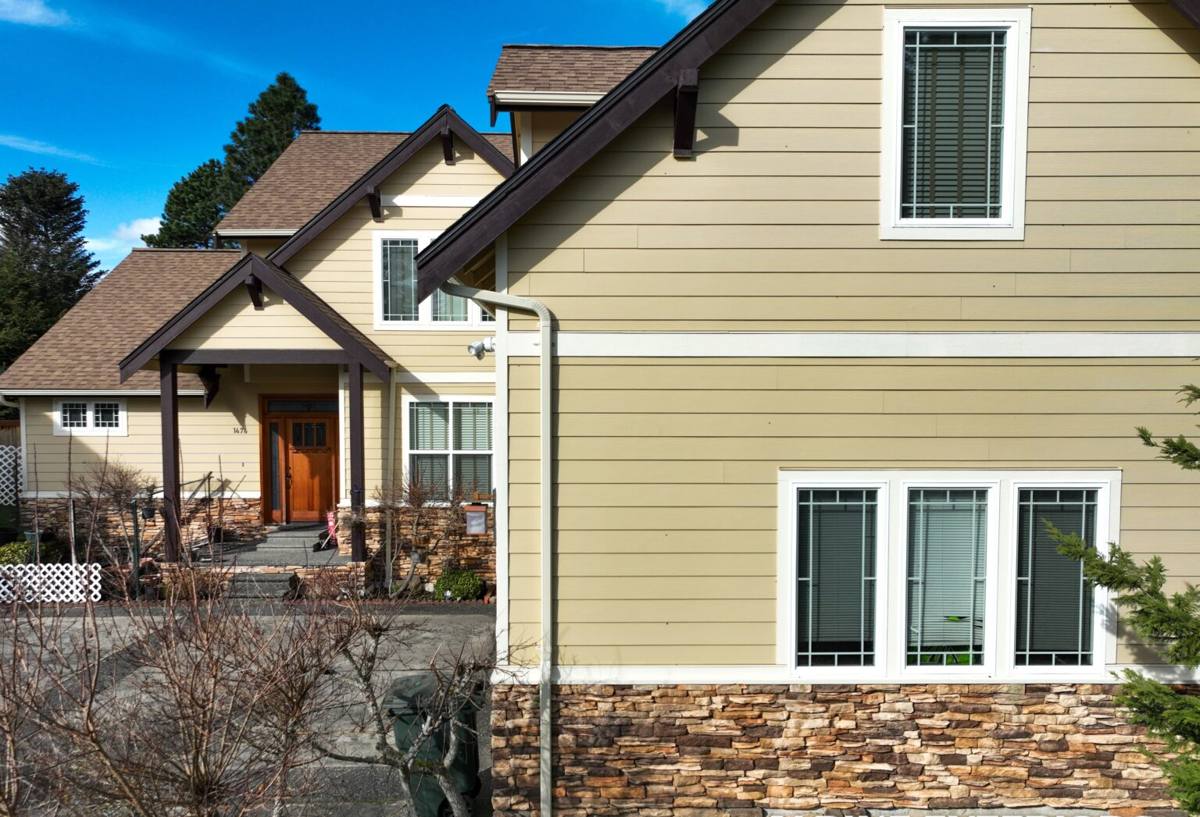
What Fairhaven Homes Actually Need From Their Siding
Moisture Management, Not Just Water Resistance
"Water resistant" siding and siding that actually manages moisture over 20+ years are two different things. In a marine climate like this one, the siding assembly needs to shed bulk water, allow incidental moisture to dry out, and resist the kind of prolonged dampness that feeds rot and moss growth. That's a system question — the siding itself, the water-resistive barrier behind it, the flashing details around windows and penetrations, and the installation gaps that let everything dry.
Salt Air Resistance
Airborne salt accelerates corrosion of fasteners and trim hardware, and it degrades some finishes faster than inland exposure would predict. Homes in and around Fairhaven need siding and fastening hardware chosen with that specific exposure in mind, not a generic "coastal-adjacent" assumption.
Moss and Algae Resistance on Shaded Elevations
Fairhaven's tree cover and hillside lots mean plenty of homes have north- and east-facing walls that rarely see direct sun. Those elevations stay damp longer after every rain, which is exactly the condition moss and algae need to establish. Siding material, finish quality, and even the amount of standoff gap behind the panel all affect how much moss actually takes hold.
Why We Only Install James Hardie Fiber Cement
We made a deliberate decision to install one siding system — James Hardie fiber cement — and nothing else. Not because other products don't have their place, but because after years of working on homes in exactly this kind of coastal, wet, moss-prone environment, we don't think the trade-offs of the alternatives make sense here.
- Non-combustible core: fiber cement doesn't feed a fire the way wood-based or foam-backed products can.
- Dimensionally stable: it doesn't swell, cup, or warp the way wood and some engineered wood products can when they take on repeated moisture cycling.
- Factory-applied ColorPlus finish: baked-on color that resists fading and chipping far better than field-applied paint, which matters when a house is going to sit under a marine layer for months at a time.
- HZ5 / HZ10 engineered product lines: Hardie builds specific formulations for different moisture and freeze exposure levels, which is directly relevant to a Pacific Northwest coastal climate.
- Strong, transferable warranty: backed by a manufacturer with decades of track record in wet climates, and transferable to the next owner if the home sells.
We're not going to pretend other products are without merit — vinyl is inexpensive, engineered wood siding installs quickly, and cedar has real aesthetic appeal. But each of those comes with a maintenance burden, moisture sensitivity, or long-term durability trade-off that we're not willing to put our name behind in a climate that's this consistently wet and salty. James Hardie is what we install because it's what we're confident will still look and perform well after a decade of Whatcom County winters.
What a Correct Fairhaven Siding Installation Involves
Tear-Off and Inspection
Every job starts with removing the old siding and actually looking at what's underneath — sheathing condition, evidence of past moisture intrusion, and the state of existing flashing. Skipping this step is how new siding ends up installed over hidden rot.
Water-Resistive Barrier and Flashing
A correctly lapped weather-resistive barrier, properly integrated window and door flashing, and correctly flashed penetrations (vents, hose bibs, light fixtures) are what actually keep water out — the siding itself is the second line of defense, not the first.
Rainscreen / Drainage Gap
In a climate this wet, a drainage gap behind the siding gives incidental moisture somewhere to go and lets the wall assembly dry out between storms. This is one of the details that separates a durable installation from one that looks fine for a few years and then doesn't.
Fastening to Manufacturer Spec
James Hardie has specific fastener spacing, type, and placement requirements, and they vary by product line and exposure. Under-fastening or using the wrong fastener type is one of the most common ways a Hardie installation fails to perform the way it's supposed to.
Caulking, Trim, and Touch-Up
Cut edges get sealed, trim is fit tight, and factory finish touch-up is done with Hardie-approved products so the ColorPlus finish stays consistent and protected at every seam.
Our Process, Start to Finish
- On-site assessment: we walk the home, look at current siding condition, exposure on each elevation, and any moisture or moss issues already present.
- Product and color selection: we go through the relevant Hardie lines and ColorPlus options suited to the home's exposure and the owner's preference.
- Written estimate: a clear scope of work and cost breakdown — no vague allowances.
- Tear-off and sheathing inspection: old material removed, substrate checked and repaired where needed before anything new goes up.
- Barrier, flashing, and drainage gap installation: the parts of the job that don't show but matter most.
- Hardie siding installation: installed to manufacturer spec for fastening, clearances, and joint treatment.
- Final walkthrough: we go over the finished work with the homeowner before calling the job done.
Why Hiring a Crew That Already Works Fairhaven Matters
Fairhaven isn't a generic Whatcom County neighborhood — the mix of hillside lots, mature tree cover, and proximity to the water creates site-specific challenges that a crew unfamiliar with the area has to learn on your dime. A crew that already works this neighborhood knows to expect shaded, slow-drying elevations, knows the kind of wind-driven rain exposure certain lot orientations get, and has already worked through the access and staging challenges that come with hillside and tree-lined properties. That familiarity shows up in fewer surprises mid-project and a final installation that's actually suited to the site, not just to a generic spec sheet.
Cost Factors for a Fairhaven Siding Project
| Factor | Why It Matters Here |
|---|---|
| Home size and elevation count | More wall area and more corners/penetrations means more material and more flashing detail work |
| Existing sheathing condition | Moisture-damaged sheathing found during tear-off requires repair before new siding goes on |
| Access and site conditions | Hillside lots, tree cover, and tight setbacks can affect staging, scaffolding, and timeline |
| Hardie product line selected | HZ5 vs. HZ10 and lap vs. panel vs. shingle profiles carry different material costs |
| Trim and detail complexity | Homes with more architectural detail (dormers, bay windows, mixed materials) take more labor to trim out correctly |
| Color and finish selection | Standard ColorPlus colors vs. custom color-matching can affect lead time and cost |
Signs Your Fairhaven Home May Need New Siding Soon
- Persistent moss or algae growth on shaded or north-facing walls that keeps coming back after cleaning
- Visible swelling, cupping, or soft spots in existing siding, especially near the ground or around window trim
- Paint that's peeling or chalking faster than it used to, or finish that looks dull and weathered within just a few years
- Gaps opening up at seams, corners, or trim boards that weren't there before
- Rising energy bills that suggest the wall assembly isn't performing the way it once did
- Visible fastener corrosion or staining running down from nail heads
What to Expect During the Project
Siding replacement is disruptive by nature — there's noise, staging equipment around the home, and crews on-site for the duration of the tear-off and installation. We keep homeowners informed of the schedule, protect landscaping and walkways during work, and clean up debris daily rather than letting it accumulate. On a typical single-family home in this area, a full siding replacement runs from about a week to a few weeks depending on size, trim complexity, and weather delays — and in a climate this wet, we build reasonable weather contingency into the schedule rather than pretending rain won't happen.
If your Fairhaven home is due for new siding, or you're just trying to figure out whether repair or full replacement makes more sense, we're happy to take a look and give you a straightforward, no-pressure estimate — just fill out the form below.