 Whatcom County
 Why Fairhaven Siding Wears Differently
Fairhaven sits close enough to the water that homes here take on a different kind of weather than siding a few miles inland. Salt-laden air off the bay works on fasteners, trim, and any exposed wood the same way it works on a boat dock — slowly, constantly, and mostly out of sight until a problem surfaces. Add Whatcom County's long stretch of driving rain each fall and winter, plus a moss season that can run from October well into spring on north-facing walls and anything shaded by trees, and you have three separate stressors working on the same wall system at once. Siding repair here isn't just patching a hole — it's addressing whichever of those three forces actually caused the damage, or the repair won't hold.
A crew that only sees Fairhaven a couple times a year tends to treat every repair the same way: cut out the bad section, nail in something close to a color match, caulk the edges, done. A crew that works this neighborhood regularly knows which walls take the worst of the salt spray, which corners collect moss first, and which repairs from five years ago are starting to fail again because the original fix never addressed the moisture source underneath.
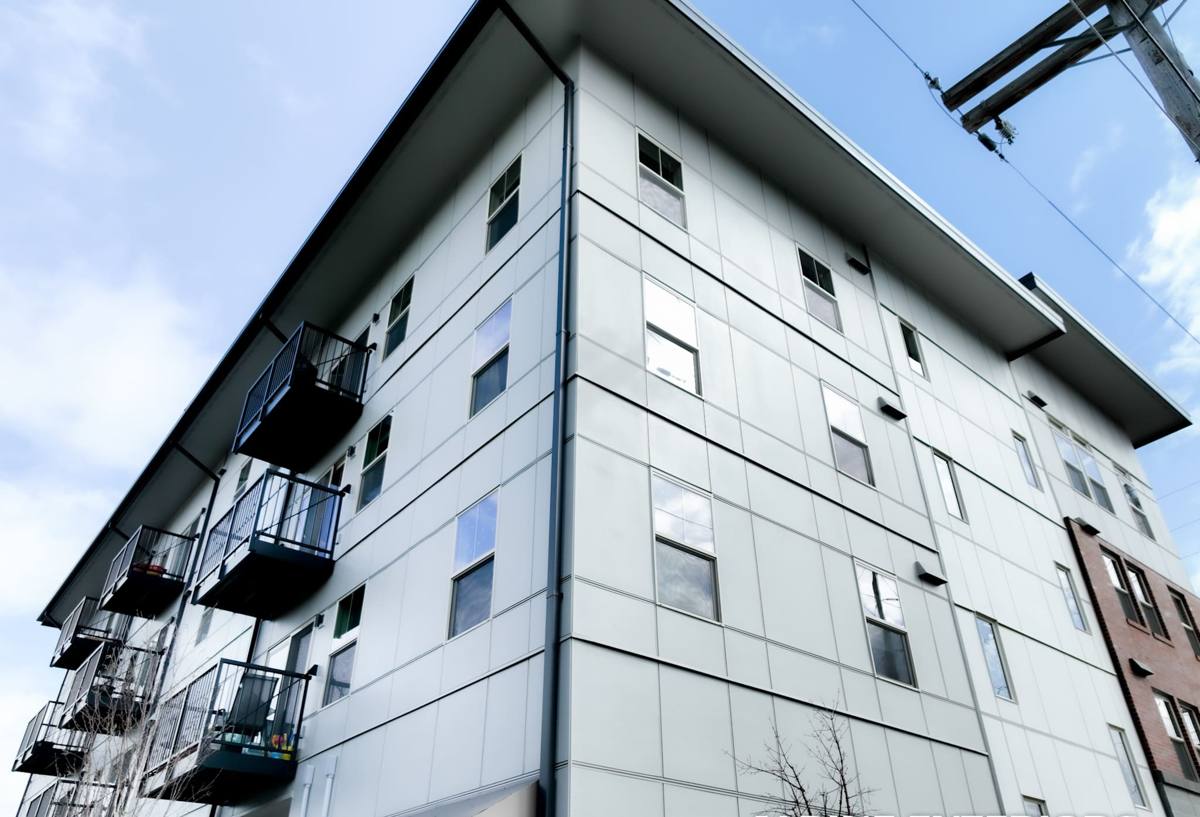
What Salt Air Actually Does to Siding
Salt air doesn't rot siding directly the way standing water does. What it does is accelerate corrosion on anything metal — nail heads, flashing, screws, trim fasteners — and that corrosion is very often the real cause of a "siding failure" that looks cosmetic from the ground. A fastener that rusts and loses its grip lets a siding panel work loose, and a loose panel opens a gap that rain then exploits. By the time you see a panel sagging or a seam gapping in a home near the water, the fastener problem is usually well ahead of the siding problem.
This matters for repair because swapping in a new piece of siding without addressing the fastening underneath just resets the clock on the same failure. A repair done right in a salt-exposed area uses corrosion-resistant fasteners rated for the exposure, not whatever was on the truck.
Signs Salt Exposure Is the Real Culprit
- Rust streaking below nail heads or trim fasteners
- Panels that have loosened or begun to bow outward at the bottom edge
- Corrosion on hose bibs, light fixtures, or hardware near the affected siding
- Caulk joints that have failed faster than expected for their age
- Damage concentrated on the side of the house facing the water or prevailing wind
Driving Rain and Where It Finds Its Way In
Whatcom County rain doesn't just fall — wind-driven storms push water sideways into wall assemblies, which is a very different load than a straight-down shower. Wind-driven rain finds any gap in flush trim, any undersized kick-out flashing, any window that was never properly integrated with the water-resistive barrier behind the siding. Once water gets behind a panel, it doesn't dry quickly in this climate. Humidity stays high enough, long enough, that trapped moisture can sit for weeks doing quiet damage to sheathing before it ever shows up as a soft spot or discoloration on the surface.
This is why a proper repair means pulling back enough of the surrounding siding to actually look at the house wrap, flashing, and sheathing underneath — not just replacing the visible damaged piece. A patch over a still-wet or still-open assembly looks fine for a season and then fails again, often worse than before.
Moss: A Slow Problem That Compounds
Moss doesn't eat siding, but it does something almost as damaging over time: it holds moisture directly against the surface, keeps that area shaded and cool, and creates a foothold for algae and mildew to spread. On fiber cement, moss growth is mostly a maintenance and appearance issue if it's kept in check. On any wood-based siding or trim, sustained moss contact is a slow path to rot, especially at horizontal trim boards and anywhere water naturally collects — sills, butt joints, and the bottom courses near grade.
North-facing walls, anything under mature trees, and low areas with poor air circulation are where Fairhaven homes see moss first and worst. Repair in these zones should include a look at whether the underlying cause — usually shade, poor drainage, or clogged gutters dumping water down the wall — is fixable, because new siding in the same conditions will just grow moss again on the same timeline.
What a Correct Repair Actually Involves
A repair that's going to hold up in this environment follows the same sequence every time, regardless of how small the visible damage looks:
- Diagnose the cause, not just the symptom. Is this fastener corrosion, wind-driven water intrusion, trapped moisture from moss, or straightforward physical damage? The fix is different for each.
- Open up enough of the wall to see what's underneath. That means pulling back adjacent siding, not just the damaged piece, to inspect the water-resistive barrier, flashing, and sheathing.
- Address the underlying issue. Replace failed flashing, correct a caulk joint, fix a drainage problem, or let sheathing dry and, if needed, replace it — before any new siding goes back on.
- Match the material and profile correctly. On a James Hardie home, that means matching plank width, exposure, and texture so the repair doesn't stand out, and using ColorPlus-matched material or a properly primed and finished piece where an exact factory match isn't available.
- Reinstall with corrosion-resistant fasteners and correct nailing patterns. This is where a lot of quick repairs cut corners, and it's exactly the detail that determines whether the fix lasts five years or fifteen.
- Reseal and re-flash properly. Caulk is a backup, not a primary water barrier — the flashing and lap sequencing underneath do the real work.
Repair vs. Replacement: How to Tell Which You Need
| Situation | Repair Usually Makes Sense | Replacement Should Be Considered |
|---|---|---|
| Damage extent | Isolated to one or two panels or a single wall section | Damage recurring across multiple walls or repeated in the same spot |
| Underlying sheathing | Dry, sound, no rot found on inspection | Soft, delaminated, or rotted sheathing found behind siding |
| Siding age and material | James Hardie in generally good condition elsewhere on the home | Original material was wood, older vinyl, or non-Hardie fiber cement showing widespread wear |
| Cause of damage | One-time event: impact damage, a single failed flashing point | Systemic exposure issue: chronic moss, salt corrosion across many fasteners |
| Color match | ColorPlus match available or color close enough to blend | Discontinued color or finish has faded enough that a patch would stand out badly |
Why James Hardie Specifically Suits This Climate
We only install James Hardie fiber cement, and in a neighborhood like Fairhaven that's not an arbitrary brand preference — it's a direct response to what salt air, driving rain, and moss season do to a house over time. Fiber cement doesn't rot, and it doesn't feed mold or fungus the way wood-based products can when moisture gets trapped against them. Hardie's HZ5 product line is engineered specifically for the kind of cold, wet, humid climate Whatcom County sees, with performance testing built around freeze-thaw cycling and moisture exposure rather than a one-size-fits-all national spec.
The ColorPlus factory finish also matters more here than it would in a drier climate. A factory-baked finish resists the fading and moisture penetration that field-applied paint struggles with under constant damp conditions, and it gives us a much better chance of matching an existing repair to the rest of the wall years down the road. When we do repair work on a Hardie home, we're not guessing at a paint color or fighting a product that absorbs water at the cut edges — we're working within a system built for exactly this weather.
Why a Local Crew Matters for This Kind of Work
Siding repair in a coastal, high-moss, high-rainfall area rewards familiarity. A crew that regularly works Fairhaven and the surrounding Whatcom County waterfront neighborhoods has already seen which flashing details fail first in this exposure, which walls need extra attention to drainage and gutter placement, and which "small" repairs are actually early signs of a bigger moisture problem. That pattern recognition is hard to get from a crew that mostly works drier, inland areas and treats every coastal repair as a one-off.
A few things worth checking before you hire anyone for repair work in this kind of environment:
- Do they inspect behind the damaged siding, or just replace what's visible?
- Do they use fasteners rated for coastal/corrosive exposure, or standard-grade nails?
- Can they get a genuine ColorPlus match, or are they proposing field-painted replacement pieces?
- Do they check gutters, grading, and shade conditions that might be feeding the original damage?
- Are they licensed, insured, and willing to explain what caused the damage before quoting the fix?
Getting a Repair Estimate
Most siding repairs in Fairhaven turn out to be smaller in scope than homeowners expect once the actual cause is identified — but the only way to know that is with a real inspection, not a guess from a photo. If you're seeing loose panels, staining, moss buildup, or soft spots anywhere on your siding, we're happy to come take a look, explain what we find, and put together a straightforward, no-pressure estimate for the repair. There's no obligation and no sales pressure — just an honest read on what your home actually needs.