 Whatcom County
 Why Metal Roofing Makes Sense in Sehome
Sehome sits close enough to the Bellingham waterfront and the broader Whatcom County coastline that homes here deal with a specific combination of weather stress: salt-laden air moving in off the water, long stretches of driving rain through fall and winter, and a moss season that can run nine months out of the year under the tree cover common in this part of town. A roof here isn't just shedding water — it's fighting corrosion, biological growth, and near-constant moisture exposure all at once. Metal roofing, installed correctly, handles that combination better than most other roofing materials, which is why we get asked about it so often in this neighborhood specifically.
That said, "metal roofing" isn't one product. The panel type, coating, fastening method, and underlayment all matter more in a climate like this than they would somewhere dry. A metal roof installed the way it's done in Eastern Washington or the Midwest will underperform here. What we're describing below is how we approach it for homes in Sehome and the surrounding Whatcom County area specifically.
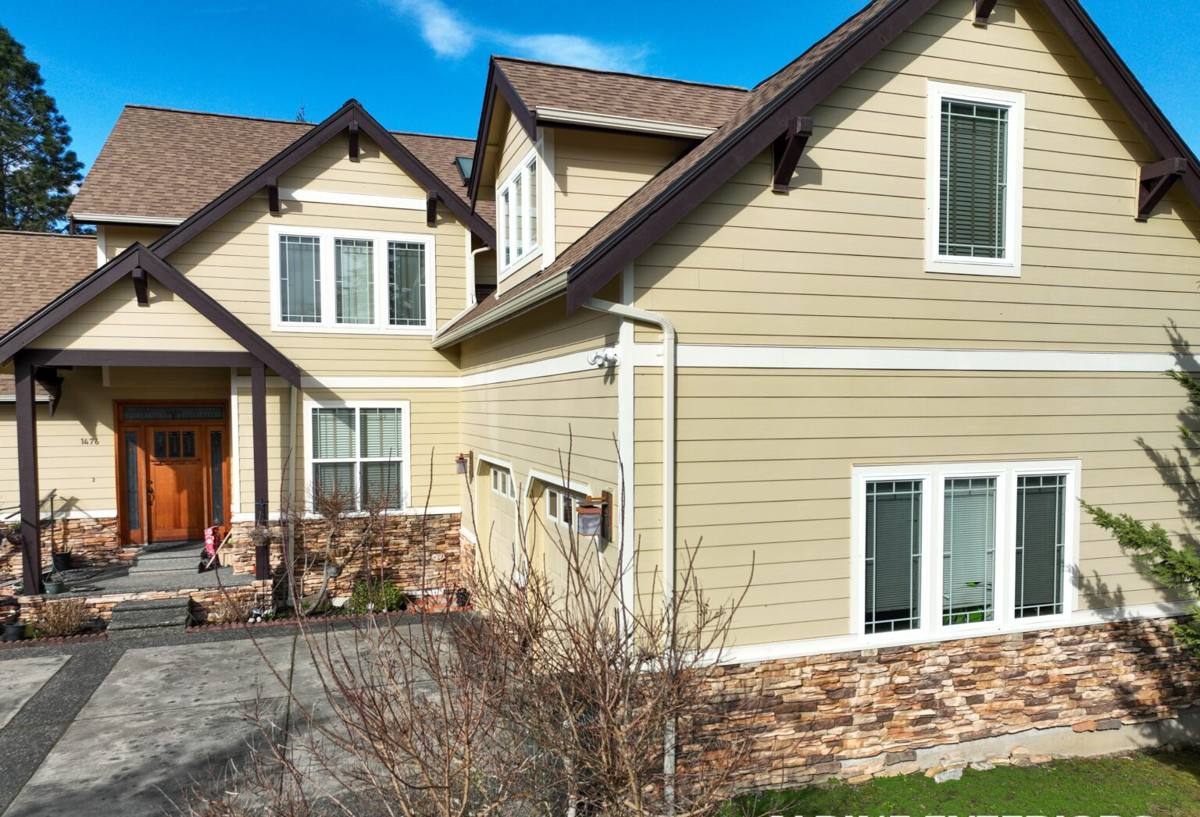
What Sehome's Climate Actually Does to a Roof
Salt Air and Corrosion
Even a few miles inland from Bellingham Bay, airborne salt finds its way onto exposed metal — fasteners, flashing, panel edges, and any place where two dissimilar metals touch. Left unmanaged, this leads to galvanic corrosion long before the panels themselves would ever fail. This is a coating and hardware decision as much as it is a panel decision.
Driving Rain
Whatcom County doesn't usually get rain falling straight down — wind off the Sound pushes it sideways, which means water gets tested at every seam, valley, and penetration point, not just on open field areas. A metal roof's watertightness lives or dies at the details: ridge caps, wall flashing, chimney and vent penetrations, and valley design.
Moss and Organic Growth
Mature tree cover and consistent moisture are a perfect environment for moss, lichen, and algae. On composition shingles, moss roots into the granule surface and lifts material over time. On a properly installed metal roof, moss has nothing to grip — but debris buildup in valleys and around penetrations can still hold moisture against the surface long enough to cause problems if the roof wasn't detailed with runoff in mind.
What a Correct Metal Roofing Job Involves
A metal roof is only as good as what's underneath it and how it's fastened. This is where a lot of the difference between a roof that lasts decades and one that causes problems in five years actually comes from.
- Underlayment: In a climate this wet, we use a high-temperature, self-adhering synthetic underlayment rather than basic felt — it seals around fastener penetrations instead of just resisting water on the surface.
- Fastening method: Concealed-fastener panel systems (standing seam) outperform exposed-fastener panels in coastal, high-rain areas because there are far fewer penetration points for water and salt air to work into over time.
- Flashing and valleys: Every roof-to-wall transition, valley, and penetration gets custom-formed flashing sized for the actual pitch and panel profile — not a generic trim piece.
- Ventilation: Metal roofs need proper intake and exhaust airflow to prevent condensation from forming on the underside of the panels, especially in our humid, temperature-swinging shoulder seasons.
- Fastener and flashing metal compatibility: Mixing incompatible metals (for example, uncoated steel screws with aluminum trim) sets up galvanic corrosion. We match hardware to panel material.
Panel Options We Discuss With Sehome Homeowners
| Panel Type | Best For | Coastal Considerations |
|---|---|---|
| Standing seam steel | Long-term durability, clean modern look | Concealed fasteners resist salt intrusion; needs a quality paint system (PVDF-based finishes hold up best) |
| Standing seam aluminum | Homes closer to the water or with higher salt exposure | Naturally corrosion-resistant, doesn't rust; slightly softer material, costs more |
| Exposed-fastener steel panels | Budget-conscious projects, outbuildings, garages | More penetration points; fasteners need periodic inspection and eventual replacement |
| Stone-coated steel | Homeowners wanting a shingle or shake look | Good moss resistance, heavier system, more seams than standing seam |
We don't push one system on every home. A house tucked under mature trees a few blocks off the water has different priorities than one with more open, wind-exposed roof planes. We size the recommendation to the actual site conditions.
Our Process for a Sehome Metal Roofing Project
- On-site assessment: We look at pitch, existing decking condition, tree cover, gutter and drainage setup, and any current signs of moss, staining, or corrosion before recommending a system.
- Tear-off or overlay decision: Metal can sometimes go over an existing roof deck with the right furring strips and ventilation plan, but if the decking has moisture damage — common under long-term moss growth — we tear off and address that first. Covering up a wet deck is how you end up with hidden rot under a brand-new roof.
- Deck repair and underlayment: Any soft or water-stained sheathing gets replaced before underlayment goes down.
- Panel and trim installation: Panels are installed to manufacturer spec for our wind and rain exposure, with custom-formed flashing at every transition.
- Detail work: Valleys, penetrations, and roof-to-wall junctions get finished last and checked individually — this is where the vast majority of future leaks would otherwise originate.
- Final walkthrough: We go over the finished roof, drainage paths, and any maintenance points specific to your property's tree cover and exposure.
Moss, Debris, and Drainage: The Ongoing Reality
Even a well-installed metal roof in Sehome benefits from a little attention. Moss won't grow on the panel surface itself the way it does on shingles, but needle and leaf debris from surrounding trees can accumulate in valleys and along gutter lines, holding moisture against trim and fasteners. Gutter systems sized and sloped correctly for our rainfall intensity matter just as much as the roof itself — undersized or poorly pitched gutters push water back up under the drip edge during heavy storms.
Simple Maintenance That Actually Matters
- Clear valleys and gutters of needle and leaf debris at least twice a year, more often under heavy tree cover
- Check that downspouts are directing water away from the foundation, not just off the roof
- Look for any streaking or discoloration near fasteners or flashing, which can signal early corrosion
- Trim back branches that overhang the roof to reduce debris load and abrasion during wind
- After major windstorms, do a quick visual check for lifted trim or dented panels
Cost Factors for Metal Roofing in This Area
Metal roofing costs more upfront than asphalt shingles, but the calculation looks different once you factor in lifespan and reduced maintenance in a climate that's hard on roofs. Exact pricing depends on your roof's size, pitch, and complexity, but these are the variables that move the number most:
| Factor | Why It Matters Here |
|---|---|
| Panel material (steel vs. aluminum) | Aluminum costs more but resists salt corrosion better for homes closer to the water |
| Roof complexity (valleys, dormers, penetrations) | More transitions mean more custom flashing labor — the details that keep driving rain out |
| Tear-off vs. overlay | Moss-related deck damage often forces a tear-off, adding cost but preventing hidden rot |
| Coating/finish quality | Higher-grade paint systems hold color and resist coastal weathering far longer |
| Ventilation upgrades | Older homes often need added intake/exhaust venting to work properly with a metal system |
Why a Local Crew Matters for This Job
Metal roofing is unforgiving of installation shortcuts in a climate like Whatcom County's — problems don't show up as a leak on day one, they show up as corrosion or a hidden deck issue two or three winters later. A crew that already works in Sehome and the surrounding neighborhoods knows which details matter here: how much wind-driven rain a given roof orientation actually sees, how aggressive the moss season gets under specific tree cover, and how salt exposure varies even within a few miles of the water. That local pattern recognition is hard to substitute for, and it's the difference between a roof that's simply installed and one that's installed correctly for where it sits.
We also stand behind the work with straightforward communication — what we found during the assessment, what we recommend and why, and what it will cost, without pressure tactics or inflated urgency.
Ready to Talk About Your Roof?
If you're weighing metal roofing for a home in Sehome, we're happy to take a look and give you a straight answer about what your roof actually needs — no pressure, no inflated claims. Use the form below to request a free estimate.