 Whatcom County
 New-Construction Windows Are a Different Job Than a Replacement
When a house is going up from the studs out, window installation isn't a retrofit — it's a structural and weatherproofing event that has to line up with framing, the weather-resistive barrier, and every trade working around it. In Silver Beach, where lots often sit under mature tree cover near Lake Whatcom with plenty of shade and moisture retention, that sequencing matters even more than it would on an open, sun-exposed site. Get the window opening built and flashed correctly before siding closes it up, and you've got a wall assembly that will shed water for decades. Get it wrong, and the mistake is hidden behind finish materials until it shows up as rot, staining, or a moldy sill years down the road.
This page is specifically about new-construction window installs for homes and additions in the Silver Beach area of Whatcom County — not window replacement in an existing wall. If you're building new, adding a room, or working with a builder who's framing openings right now, this is the stage where window performance for the next 30-plus years gets decided.
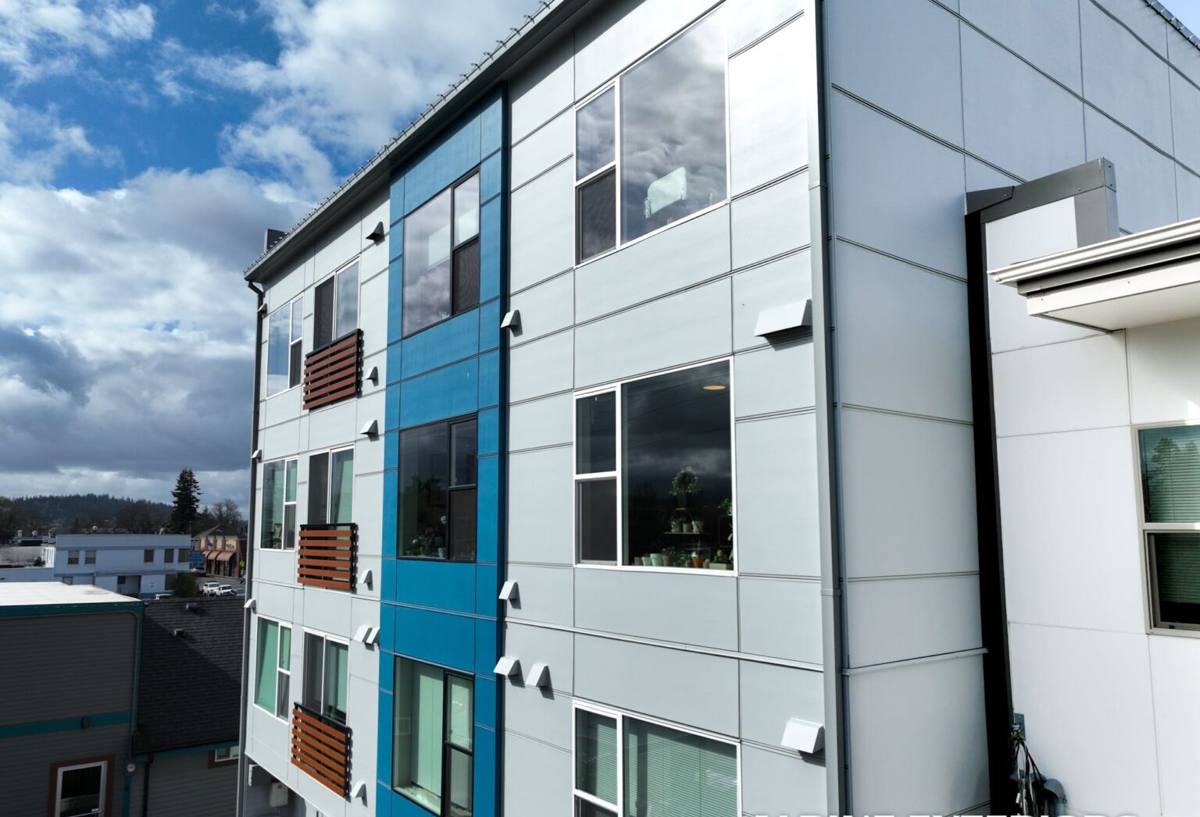
What Whatcom County's Climate Asks of a New Window Install
Whatcom County sits in a marine climate that doesn't do dramatic weather so much as relentless, low-grade weather. Driving rain off the water, a long stretch of overcast and wet months, and a moss season that seems to start earlier every year all put steady pressure on any building envelope. Salt-tinged marine air moving inland adds a slow corrosive element to hardware, fasteners, and unprotected metal that inland regions never have to think about.
For a tree-shaded, lake-adjacent neighborhood like Silver Beach, the practical effect is more humidity sitting against the building longer, more moss and algae growth on horizontal surfaces, and less direct sun to dry things out between rain events. That's not a reason to over-engineer every window — it's a reason to get the ordinary things right every time: correct flashing laps, real sill pans, sealed penetrations, and hardware rated for a damp coastal climate rather than a dry-climate spec.
What This Means in Practice
- Sill pan flashing on every rough opening, not just the ones facing prevailing weather
- Corrosion-resistant fasteners and flashing tape rated for long-term UV and moisture exposure
- Frame materials and finishes that won't degrade under sustained humidity and shade
- Drainage planes that actually drain, not just look sealed on installation day
Getting the Water Management Right the First Time
Almost every window failure we get called to inspect on a home a few years old traces back to the same root cause: water got behind the window and had nowhere to go. On new construction, this is entirely preventable because the wall is open and every layer is accessible before it gets buried.
The sequence matters as much as the materials. A correct new-construction install builds the drainage plane in layers, each one lapped over the one below it, so water always has a path down and out rather than in:
- Rough opening is checked for square, level, and correct dimension against the window's actual specs — not just the plan set
- A sloped sill pan is formed or installed at the base of the opening so any water that gets past the window has somewhere to go besides the framing
- Weather-resistive barrier is cut and integrated with the opening before the window goes in, not patched around it afterward
- Window is set, shimmed level and plumb, and fastened per the manufacturer's instructions — this is where a lot of budget installs cut corners on shim placement and fastening pattern
- Flashing tape goes on at the jambs, then the head, lapped shingle-style so upper layers always overlap lower ones
- Head flashing or drip cap is installed above the window before siding closes the wall
Skip or reorder any of those steps and the window can look perfect from the outside while quietly failing behind the trim. This is the part of the job that a general framing crew, stretched across a full build schedule, is most likely to rush.
Meeting Washington's Energy and Egress Requirements
New construction in Washington State has to meet the Washington State Energy Code, which sets minimum U-factor and Solar Heat Gain Coefficient targets for windows based on the whole-house compliance path the builder is using. Whatcom County's climate zone pushes toward better-performing glass than you'd need in a milder part of the state, so the window schedule on the plans needs to reflect that, not just hit a generic minimum.
Bedrooms and any room used for sleeping also need to meet egress requirements — minimum clear opening width, height, and net clear opening area, plus a maximum sill height above the finished floor. On new builds this is usually caught at the plan-review stage, but window substitutions during construction (a common cost-saving move) can accidentally take a bedroom window out of egress compliance if nobody double-checks the swap against code. We verify egress on every bedroom opening before ordering, not after the inspector flags it.
Choosing Frame Material for a New Build
New construction gives you a real choice of frame material, since you're not constrained by an existing opening the way a replacement job is. Each option trades off differently against Whatcom County's humidity and shade-heavy conditions.
| Frame Material | How It Handles This Climate | Trade-Offs |
|---|---|---|
| Vinyl | Won't rot or corrode; performs consistently in sustained humidity | Lower cost, but limited color/finish options and can't be refinished later |
| Fiberglass | Very stable in temperature and moisture swings; strong long-term durability | Higher upfront cost than vinyl, fewer installers stock deep inventory |
| Wood-clad (aluminum or vinyl exterior, wood interior) | Good insulating interior; exterior cladding protects wood from weather | Any breach in the cladding lets moisture reach wood — needs correct flashing without exception |
| Aluminum | Strong and slim sightlines | Poor insulator and prone to condensation unless thermally broken — generally not our first recommendation for this climate |
For most Silver Beach new builds we lean toward vinyl or fiberglass for straightforward performance and low long-term maintenance, and reserve wood-clad for homeowners who specifically want the interior wood look and understand the added importance of flawless flashing around it. We'll walk through the real trade-offs for your project rather than push one product line.
Our Process on a New-Construction Job
We work directly with your general contractor or builder, or as the window subcontractor if you're managing the build yourself. The typical flow:
- Review the window schedule against the actual plan set and Washington Energy Code requirements before ordering
- Confirm egress compliance on every bedroom opening
- Coordinate delivery timing with the framing schedule so windows arrive when the openings are ready — not weeks early sitting in the weather, not late holding up siding
- Install using the sill-pan-and-lapped-flashing sequence described above, on every opening, every time
- Walk the openings with the builder or homeowner before siding closes the wall, so any concern gets addressed while it's still visible
- Final adjustment and operation check once the home is closed in and trim is complete
Because we're a Whatcom County contractor working this area regularly, we're not learning the local inspection process, the typical soil and drainage patterns around Lake Whatcom, or the realistic weather windows for exterior work on your project. That familiarity translates into fewer scheduling surprises and fewer callbacks.
Mistakes We Catch on New Builds Before They Get Buried
Most window problems on new construction aren't caused by a bad window — they're caused by a rushed or out-of-sequence install. Things we specifically check for on every job:
- Sill pans missing or improperly sloped, leaving no drainage path if water gets past the window
- Flashing tape applied out of shingle-lap order, which can direct water into the wall instead of away from it
- Rough openings cut oversized to make installation easier, leaving gaps that get filled with foam instead of properly shimmed and supported
- Fasteners that don't match the window manufacturer's approved schedule, which can void the warranty
- Window substitutions made mid-build that quietly move a bedroom out of egress compliance
- Weather-resistive barrier taped over the flange instead of properly integrated in the correct layer order
Why a Crew That Already Works Silver Beach Matters
New-construction window work rewards local knowledge more than most people expect. A crew that's installed windows across Whatcom County knows how the moisture and shade patterns around a lakeside, tree-covered neighborhood like Silver Beach differ from an open lot closer to the coast, and adjusts flashing and material choices accordingly rather than applying a one-size-fits-all spec. We also know the local building department's expectations at framing and insulation inspections, which keeps your project moving instead of waiting on a callback for something that could've been caught the first time.
Coordinating window installation with a build schedule takes communication — with the GC, the framers, the siding crew, and the inspector — and that goes more smoothly with a contractor who already has working relationships in this area rather than one commuting in for a single job.
Timeline and Budget Factors
New-construction window costs and lead times depend on more variables than a simple per-window price. The factors that move the number most:
| Factor | Why It Matters |
|---|---|
| Frame material and glass package | Fiberglass and upgraded low-E glass cost more than base vinyl but reduce long-term energy loss |
| Number and size of openings | Large or oversized units (bigger view windows, sliding glass sections) often require special ordering and longer lead times |
| Custom shapes or sizes | Anything outside standard manufacturer sizing adds cost and weeks to the order |
| Site access and shade cover | Tree-heavy lots can slow drying time between install steps and affect scheduling flexibility |
| Coordination with build schedule | Rush orders to keep a framing crew from waiting cost more than windows ordered on a normal lead time |
Standard vinyl or fiberglass windows typically have manageable lead times if ordered early in the framing phase; larger or custom units can take considerably longer, so we try to lock in the window schedule as soon as the plans are finalized rather than waiting until framing is underway.
If you're building new, adding on, or coordinating a project in the Silver Beach area, we're happy to walk the plans with you or your builder and put together a straightforward, no-pressure estimate — just fill out the form below.