 Whatcom County
 Why a New Roof in Nooksack Needs to Be Built for This Climate
Nooksack sits in a part of Whatcom County that gets a steady diet of Pacific moisture — long stretches of driving rain, damp marine air moving up the valley, and shaded, tree-lined lots that stay wet longer than open ground. That combination is hard on roofs. A roof system that would hold up fine in a dry inland climate can fail early here if it isn't built with our conditions in mind. A correct new roof installation in this area isn't just about laying down shingles or metal panels — it's about managing moisture at every layer, from the decking up to the ridge.
When we install a new roof in Nooksack, we're thinking about the same things year-round homeowners already notice: moss creeping across north-facing slopes, gutters that stay full longer because of the rain volume, and wood trim or fascia that shows soft spots before the rest of the house does. None of that is unusual for Whatcom County — it's just what the climate does, and it's exactly what a properly built roof is designed to resist.
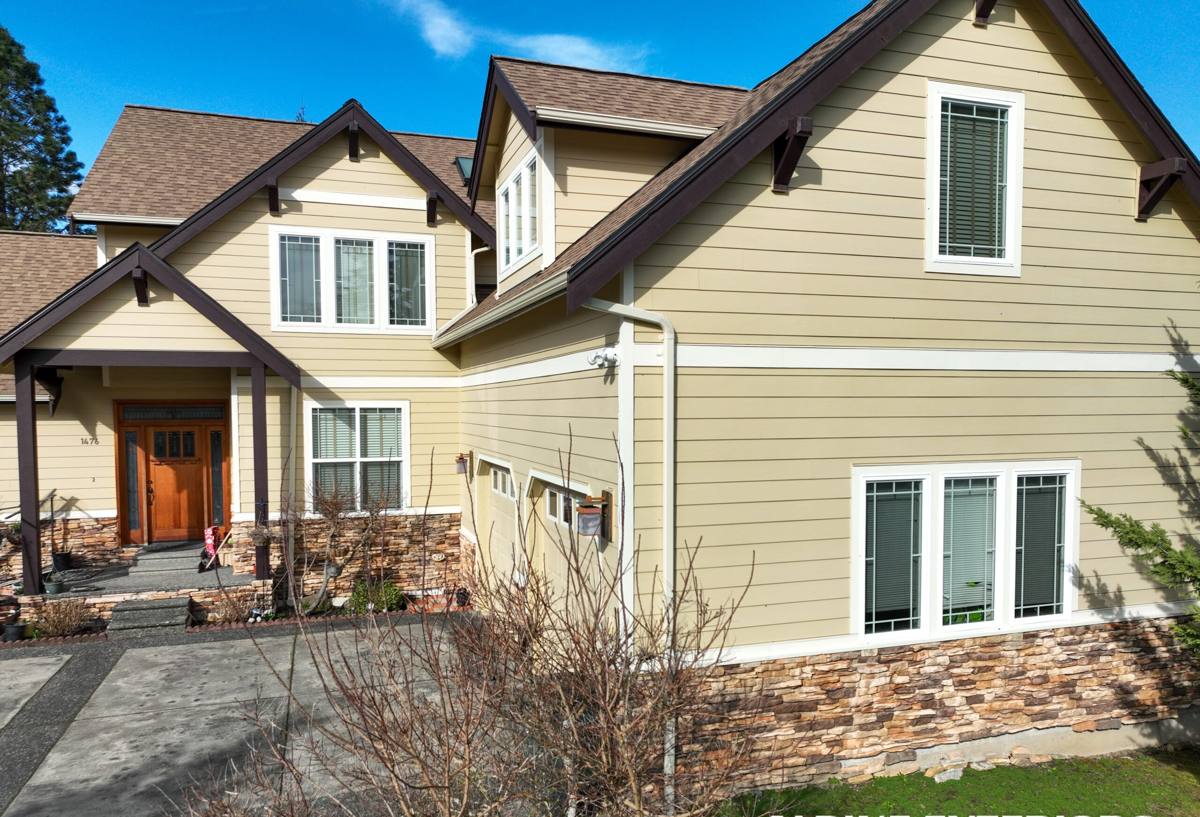
What Whatcom County's Weather Does to an Aging Roof
Most of the roof failures we see out here don't come from one dramatic storm. They come from years of slow, steady exposure wearing down materials and details that weren't installed with enough margin for our weather. Common patterns include:
- Moss and algae growth on shaded or low-slope sections, which holds moisture against the roofing material and accelerates granule loss or wood decay
- Saturated underlayment where an older or lower-grade felt has broken down and no longer sheds water the way it should
- Flashing failures around chimneys, skylights, and roof-to-wall transitions, where repeated wetting and drying cycles work seams loose over time
- Soft or delaminated decking discovered only once the roofing material comes off, usually near valleys, eaves, or old vent penetrations
- Clogged or undersized ventilation that traps humid attic air, which condenses and drips back down onto insulation and framing
Any one of these can shorten a roof's useful life by years. A new installation is the chance to fix all of them at once, rather than patching the same weak points every rainy season.
What a Correct New Roof Installation Actually Involves
"New roof" sounds simple, but the quality of the job is decided almost entirely by what happens before the finish material ever goes down. Here's what a properly sequenced installation looks like.
Tear-Off and Deck Inspection
We remove the old roofing material down to bare decking rather than layering over it. That's the only way to actually see the plywood or plank sheathing underneath — soft spots, delamination, or old water staining won't show up any other way. Any damaged decking gets replaced before anything else happens; installing new roofing over compromised sheathing just guarantees a repeat failure later.
Underlayment and Moisture Barrier
This layer matters more here than in drier climates. We use a synthetic or high-quality underlayment across the whole roof, with self-adhering ice-and-water membrane at the vulnerable spots — valleys, eaves, and around penetrations — where wind-driven rain is most likely to work its way underneath the surface material.
Flashing and Valleys
Flashing is where most leaks actually start, not out in the open field of the roof. Chimneys, skylights, sidewalls, and valleys all get new metal flashing, properly lapped and sealed, rather than reused or caulked-over old pieces.
Ventilation
Balanced intake at the eaves and exhaust at the ridge keeps the attic close to outdoor temperature and humidity. That reduces condensation inside the attic and helps the underside of the roof deck dry out between rain events instead of staying damp.
Material Installation
Only once the deck, moisture barrier, flashing, and ventilation are correct does the finish material — shingles, metal, or another roofing product — go on, following the manufacturer's fastening and exposure specs so the warranty is actually valid.
Choosing a Roofing Material for a Nooksack Home
There's no single "best" roofing material — the right choice depends on your roof's pitch, how shaded the lot is, your budget, and how much long-term maintenance you want to take on. Here's how the common options compare for this specific climate.
| Material | Moss/Algae Resistance | Typical Lifespan | Maintenance Here |
|---|---|---|---|
| Architectural asphalt shingle | Good with algae-resistant granules | 25–30 years | Periodic moss removal on shaded slopes |
| Standing seam metal | Excellent — sheds moss growth medium easily | 40–50+ years | Low; occasional debris clearing |
| Synthetic/composite shingle | Good, engineered for moisture resistance | 30–50 years | Low to moderate |
| Cedar shake | Requires active upkeep in wet, shaded areas | 20–30 years with maintenance | Higher; needs treatment and cleaning |
We're upfront with homeowners about trade-offs rather than steering everyone to one product. Cedar can look great, but on a shaded, north-facing roof in a wet valley climate, it demands more upkeep to stay ahead of moisture and moss than most people expect going in. Asphalt with algae-resistant granules and metal roofing both hold up with less intervention, which is why they're what we recommend most often for full-sun-to-shaded lots in this area.
Our Installation Process, Start to Finish
- On-site evaluation — we walk the roof and attic, check the deck condition from what's visible, and assess ventilation, flashing points, and drainage
- Written estimate — clear scope, material options, and pricing, no surprise add-ons hidden in vague language
- Scheduling around weather — we plan installation windows to avoid stretches of steady rain wherever possible, since a dry deck installs better and safer
- Tear-off and disposal — old material removed and hauled off, deck exposed and inspected
- Deck repair — any soft or damaged sheathing replaced before moving forward
- Underlayment, flashing, and ventilation installed per the plan for your roof's specific weak points
- Finish material installed to manufacturer spec
- Final walkthrough — cleanup, magnetic sweep for stray fasteners, and a review of the finished roof with you
Ventilation and Moisture Control Deserve Extra Attention Here
It's tempting to treat ventilation as an afterthought, but in a climate with this much ambient moisture, it's one of the biggest factors in how long a new roof actually lasts. Poor attic airflow traps humid air against the underside of the deck, which speeds up wood decay from the inside — the kind of damage you don't see until it's already serious. We size intake and exhaust venting to the specific roof, not a one-size-fits-all vent count, and we make sure existing insulation isn't blocking the soffit intake, which is a common issue we find on older Whatcom County homes.
What Affects the Cost of a New Roof in Nooksack
Every roof is priced individually, but the factors that move the number up or down are consistent. We lay these out plainly during the estimate rather than quoting a number without explaining what's behind it.
| Cost Factor | Why It Matters |
|---|---|
| Roof size and pitch | More surface area and steeper slopes mean more material and labor time |
| Number of existing layers | Extra tear-off work if the roof has been layered over before |
| Decking condition | Rot or delamination found during tear-off adds repair cost |
| Material choice | Asphalt, metal, and synthetic products carry different material and install costs |
| Ventilation upgrades | Adding or correcting intake/exhaust venting where the existing system is inadequate |
| Roof complexity | Valleys, dormers, chimneys, and skylights all add flashing detail work |
| Access | Tree cover, steep grades, or tight lot access can affect equipment and labor time |
Signs a Nooksack Homeowner Shouldn't Ignore
- Moss forming thick patches on shaded slopes, especially near the ridge or valleys
- Granules collecting in gutters or at downspout outlets
- Curling, cracked, or missing shingles anywhere on the roof
- Daylight visible through the attic decking or soft spots felt when walking the attic floor
- Water stains on interior ceilings, particularly after a heavy rain
- Sagging areas along the roofline or in valleys
- A roof that's 20+ years old and has never been fully inspected
Catching these early usually means the difference between a planned replacement on your own timeline and an emergency one after a leak shows up inside the house.
Why Hiring a Crew That Already Works in Nooksack Matters
A roof installed by a crew unfamiliar with this specific climate can look right on the day it's finished and still fail early because of details that only matter here — under-ventilated attics, missing ice-and-water membrane at valleys, or a material choice that wasn't suited to a shaded, moss-prone lot. Working across Whatcom County means we've seen how roofs in this area actually age, not just how they're installed in a manual written for a different climate. That shows up in the details: where we add extra membrane, how we size ventilation, and which materials we steer homeowners away from on heavily shaded roofs.
Local experience also means fewer surprises around permitting and scheduling — knowing what the county requires, and planning installation around the rain patterns that are part of living here, rather than treating every job like it's happening somewhere dry.
Get a Straightforward Estimate for Your Nooksack Roof
If your roof is showing moss buildup, granule loss, or you just know it's getting old enough to think about, we're happy to take a look and give you an honest read on where it stands. The estimate is free, there's no pressure to commit on the spot, and you'll get a clear explanation of what your roof actually needs — use the form below to get started.