 Whatcom County
 Building a Deck That Actually Holds Up in Silver Beach
Homeowners in Silver Beach want the same thing most Whatcom County homeowners want out of a deck: a place to sit outside, host a few people, and not think about it again for a decade or two. The problem is that a lot of decks built in this region weren't built for this region. They were built with a generic framing plan and generic hardware, and within a few wet seasons they're growing moss, the fasteners are bleeding rust streaks down the boards, and the joints are starting to feel soft underfoot. Whatcom County's mix of driving rain, long stretches of overcast damp weather, and salt-tinged air moving in off the Sound is genuinely harder on outdoor wood structures than most of the country deals with. This page is specifically about deck building for Silver Beach — what the local climate demands, what a correctly built deck actually involves below the surface, and how we approach the work so it holds up instead of becoming a five-year problem.
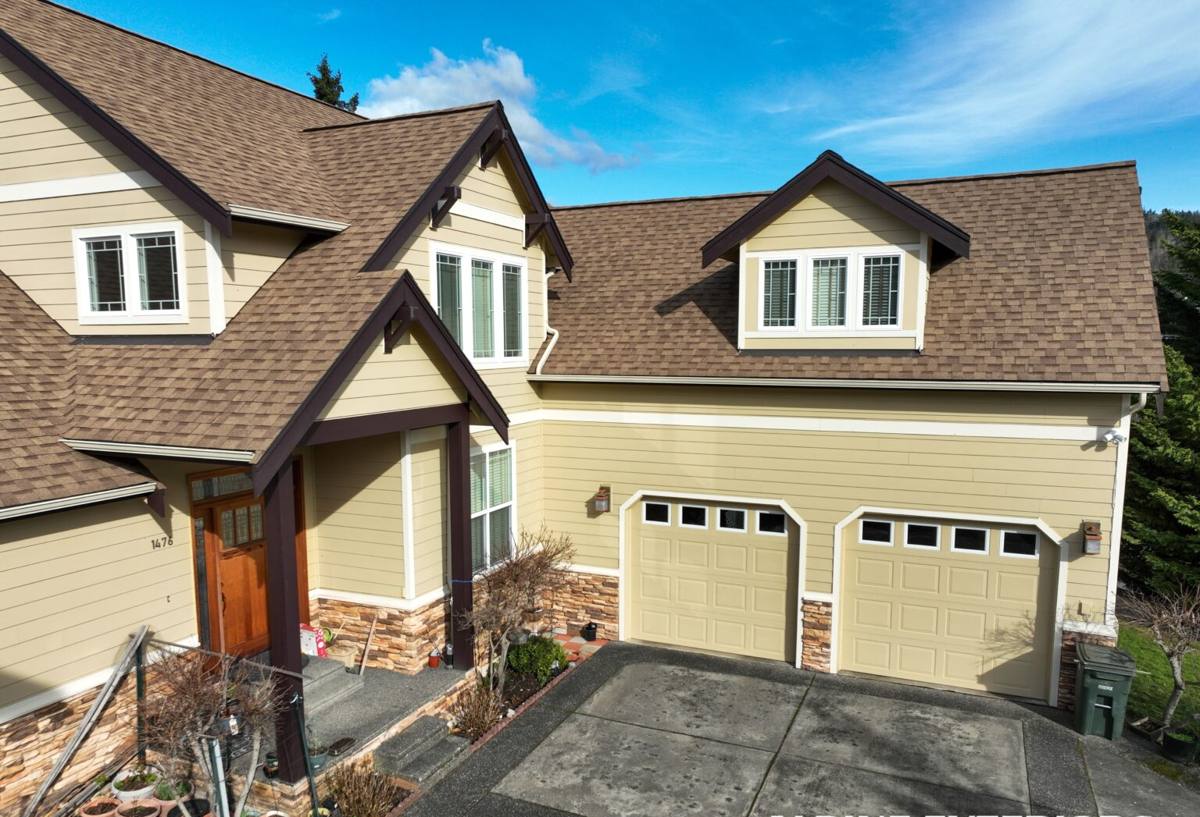
What This Climate Does to a Deck Built the Wrong Way
Moss and Algae
Moss doesn't need much to get started — shade, moisture, and time, and Silver Beach has all three for a good chunk of the year. On a deck, moss and algae take hold fastest in low-traffic corners, under furniture, and anywhere water sits instead of draining. Once it's established, it holds moisture against the wood surface constantly, which accelerates everything else that's already working against the deck.
Trapped Moisture and Rot
The failures we see most often aren't from rain hitting the top of the boards — decking is designed to get rained on. They're from water that gets trapped somewhere it can't dry out: behind ledger boards, inside joist hangers packed with debris, under decking boards installed tight with no gap, or in end grain that was never sealed when it was cut. Wood that stays wet for days at a time, even good wood, will eventually rot from the inside out.
Corrosion of Fasteners and Hardware
Moisture-laden coastal air is harder on metal than dry inland air. Screws, joist hangers, and structural bolts that aren't rated for this kind of exposure corrode faster than homeowners expect, and a rusted fastener doesn't just look bad — it loses holding strength. That matters most in the structural connections you never see once the decking is down: the ledger bolts, the hanger nails, the post bases.
Choosing Decking Material for Silver Beach Conditions
There's no single "right" material for every deck — it depends on budget, how much upkeep the homeowner actually wants to do, and how the deck will be used. Here's how the common options compare for this climate specifically.
| Material | Moisture Resistance | Maintenance | Typical Lifespan |
|---|---|---|---|
| Cedar | Naturally decay-resistant but still needs sealing | Annual cleaning, periodic re-staining/sealing | 15-20 years with upkeep |
| Pressure-Treated Pine | Good when properly installed and sealed | Regular sealing, watch for checking/splitting | 15-20 years with upkeep |
| Composite Decking | Excellent — engineered to resist moisture and rot | Occasional washing, no sealing/staining | 25-30+ years |
| PVC/Capped Polymer | Excellent — fully synthetic cap resists moisture and staining | Lowest — occasional washing | 25-30+ years |
Cedar and treated wood give you a more traditional look and a lower up-front cost, but they ask for real maintenance in a climate that doesn't give wood many chances to dry out between rain events. Composite and PVC cost more initially but stand up to moss, moisture, and salt air with a fraction of the upkeep — which is why we've seen more Whatcom County homeowners move that direction over the years. We'll walk you through the honest trade-offs for your budget rather than pushing one option.
Framing and Structure: The Part You Don't See
Footings and Frost Depth
Deck footings need to be sized and set to local frost depth and soil conditions, not guessed at. Undersized or shallow footings are one of the most common causes of a deck that starts to shift, sag, or pull away from the house over time — problems that are far cheaper to prevent at the footing stage than to fix after the deck is built.
Ledger Board Attachment
The ledger board — where the deck attaches to the house — is the single most important connection on the whole structure, and it's also the spot most prone to hidden water damage if it's flashed incorrectly. Proper ledger installation means correct flashing that sheds water away from the house's siding and sheathing, not just caulk and a bolt pattern. We treat this connection as structural and weatherproofing work at the same time, because that's what it is.
Joist Hangers and Fasteners
Every hanger, bolt, and screw below the decking should be rated for exterior, corrosion-resistant use — not standard interior-grade hardware. In a coastal-influenced climate like Whatcom County's, that's not an upgrade, it's a baseline requirement if you want the frame to still be sound in twenty years.
Permits, Guardrails, and Whatcom County Code
Most new decks and significant deck rebuilds in Whatcom County require a building permit, and the requirements typically address guardrail height, baluster spacing, stair geometry, and structural connections like the ledger attachment. Guardrails are generally required once a deck surface is a certain height above grade, and spacing between balusters is limited so a small child can't pass through. These aren't formalities — they're there because deck failures and fall injuries are two of the most preventable outdoor building problems there are. We handle the permit process as part of the job, including the inspections that go with it, so homeowners aren't left figuring out county requirements on their own.
How We Approach a Silver Beach Deck Project
- Site visit and assessment — we look at grade, drainage, sun/shade exposure, and how the deck ties into the house before anything is designed.
- Design and material selection — layout, size, and material options laid out with honest pros and cons for your budget and how you'll use the space.
- Permitting — we prepare and submit what the county requires and schedule the inspections that go with it.
- Removal of the old deck, if applicable — including a check of the framing and ledger area underneath for existing water damage before we build over it.
- Framing and structural work — footings, posts, beams, joists, and ledger attachment, built to span and spacing requirements, not shortcuts.
- Decking, railing, and stairs — installed with the fastening and gapping details that let the structure actually dry between rains.
- Final walkthrough — we go over the finished deck with you, including what maintenance it will and won't need.
Keeping a Deck Ahead of Moss Season
A well-built deck still needs some seasonal attention in this climate — the difference is that it's minor upkeep instead of emergency repair. A few habits go a long way:
- Sweep leaves and debris off the deck surface regularly, especially in fall — trapped organic matter is what feeds moss and algae.
- Keep nearby gutters and downspouts clear so runoff isn't draining directly onto or under the deck.
- Wash the deck surface at least once a year to knock back moss and algae before it gets established.
- Reseal or re-stain wood decking on the schedule the product calls for — don't wait until it looks obviously worn.
- Check that under-deck drainage and ventilation haven't been blocked by storage, planters, or debris buildup.
- Do a yearly walk-under inspection of fasteners and hangers, looking for rust streaking or loose connections.
Why a Crew That Already Works Silver Beach Makes a Difference
A deck built by a crew that only occasionally works this climate tends to get built like it's going in somewhere drier — standard hardware, standard flashing details, standard maintenance advice that doesn't quite fit. A crew that works Whatcom County regularly already knows which fastener grades hold up here, how ledger flashing needs to be detailed to keep water out of the house, and which materials are worth the extra cost given how much rain and moss pressure the area actually sees. That local pattern recognition is the difference between a deck that needs real repair work in year six and one that's still solid at year twenty.
If you're planning a new deck or need to replace one that's showing its age, we're happy to take a look and put together a free, no-pressure estimate — just fill out the form below.