 Whatcom County
 Building Decks for South Hill's Climate, Not a Catalog Photo
A deck in South Hill has to earn its keep through a wet, gray Whatcom County winter, a mossy spring, and enough salt-laden air off the Sound to work on any metal that isn't chosen carefully. A deck that looks right on a sunny install day but wasn't built for that combination will show it within a couple of seasons — soft spots at the ledger, black streaking on the boards, fasteners bleeding rust, and a substructure that's wetter than it should be. We build decks in South Hill the way the site actually behaves in January, not just how it looks in July.
This page is about custom decks specifically, built and installed for this neighborhood's conditions. If you're comparing decking options, planning a rebuild, or trying to figure out why an existing deck is failing early, the details below are the ones that actually matter here.
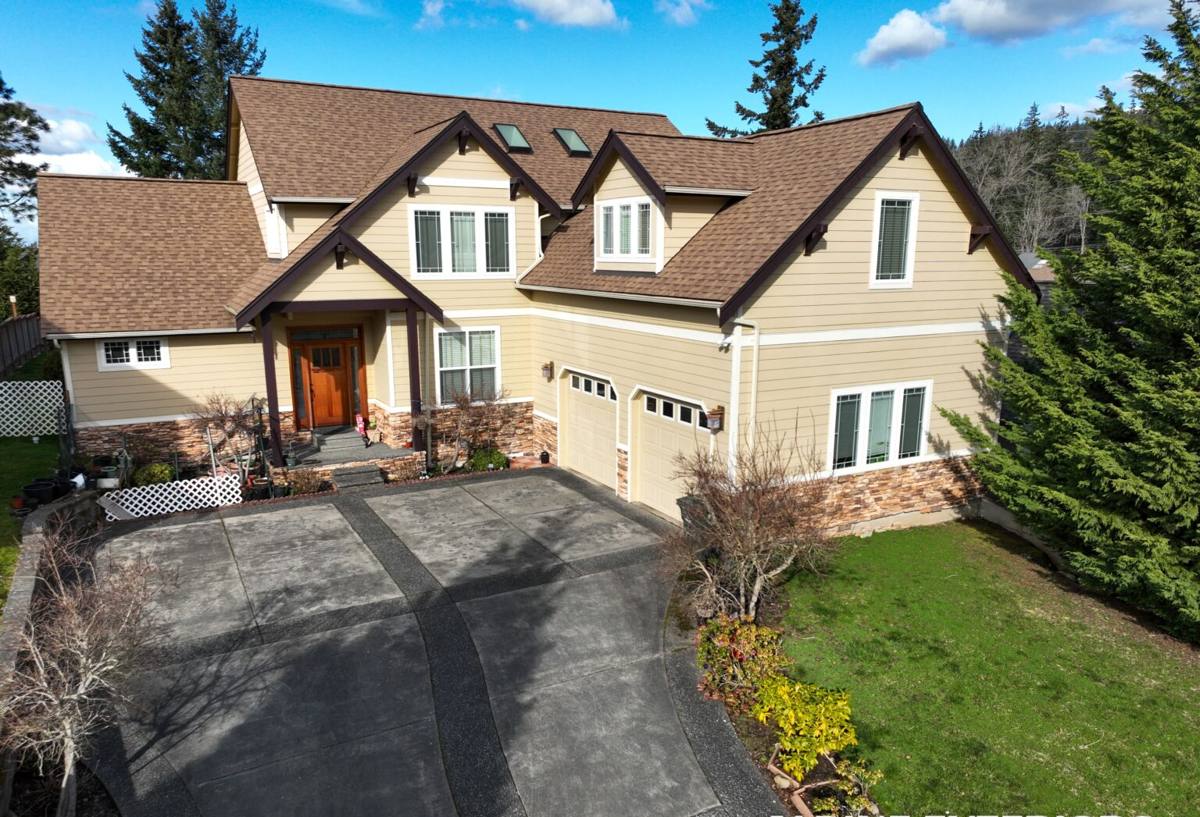
What South Hill's Climate Does to a Deck
Three things drive almost every deck problem we see in this part of Whatcom County:
Driving Rain
Wind-driven rain doesn't just fall on a deck, it gets pushed sideways into ledger connections, under poorly flashed rim joists, and into any gap where end grain is exposed. Standing or trapped moisture is the single biggest cause of early rot, especially where a deck ties into the house.
Salt Air
Proximity to Puget Sound and the Strait means airborne salt is a real factor for fasteners, hardware, and any exposed metal. Unprotected or mismatched hardware corrodes faster here than it would inland, and corroding fasteners loosen structural connections long before the wood itself fails.
Moss and Algae Season
Long stretches of damp, low-light weather grow moss and algae on horizontal wood and composite surfaces alike. Beyond looking bad, moss holds moisture against the decking and makes boards slick and dangerous underfoot — a real concern on stairs and any north-facing or shaded deck area, which describes a lot of yards in this neighborhood.
What a Correctly Built Deck Looks Like Here
None of this is exotic. It's standard best practice applied consistently, without shortcuts, because shortcuts are exactly what fails first in this climate.
- Ledger board properly flashed and sealed where it meets the house, with the flashing lapped correctly so water sheds outward instead of behind the siding
- Joist tape or equivalent protection on top of every joist to keep decking fasteners from creating a wick point straight into the wood
- Stainless steel or coated, corrosion-rated fasteners and structural hardware throughout — not just at the visible surface
- Proper joist spacing and blocking sized to the decking material, not the minimum the material allows
- Post bases that keep wood off concrete and standing water, with positive drainage away from footings
- Adequate air gap and ventilation under the deck so the substructure can actually dry out between rain events
- Stair and railing hardware rated for structural loads, not just fastened for looks
Skip any one of these and the deck will still look fine at handoff. The failures show up eighteen months to three years later, usually as soft framing or corroded connectors that are far more expensive to fix than they would have been to do right the first time.
Decking Material Choices for South Hill Conditions
There's no single right answer — it depends on budget, how much upkeep you want to do, and how shaded or exposed the site is. Here's how the common options actually perform in this climate specifically.
| Material | Moss/Algae Resistance | Maintenance | Notes for This Climate |
|---|---|---|---|
| Pressure-treated wood | Low without upkeep | Annual cleaning, periodic staining/sealing | Lowest upfront cost; needs real commitment to cleaning and sealing or moss takes hold fast |
| Cedar | Moderate | Regular cleaning, oil/seal every 1-2 years | Natural rot resistance helps, but still needs upkeep in a wet climate to look good and last |
| Composite (capped) | Good | Periodic washing, no sealing/staining | Best fit for shaded, damp yards; capped boards resist moisture absorption that feeds moss and mold |
| PVC decking | Very good | Occasional washing | Highest material cost, least maintenance, holds up well against constant damp and salt air |
We'll walk you through this honestly for your specific site — a deck that gets afternoon sun and wind will handle wood just fine with reasonable upkeep, while a shaded, tree-covered lot is where composite or PVC earns its higher price tag by cutting the moss and maintenance cycle down significantly.
Hardware and Fasteners Matter More Than the Decking Itself
We get asked more about decking material than about fasteners, but in salt-air conditions the hardware is often the weak link, not the boards. Standard galvanized fasteners can start showing corrosion within a few years here. We spec stainless or high-grade coated fasteners and structural connectors as standard on South Hill jobs, because replacing decking is a maintenance project — replacing a corroded structural connection is a safety issue.
Substructure and Drainage: Where Decks Actually Fail
Almost every deck failure we're called out to inspect in this area starts below the walking surface, not on top of it. The framing, the ledger connection, and the drainage path are where moisture does its damage, quietly, for years before it's visible from above.
Key questions we always answer before framing:
- Where does water go when it hits the deck surface, and does it actually get there, or does something trap it along the way?
- Is there enough clearance and airflow under the deck for the framing to dry between storms, not just after them?
- Are footings sized and set for the soil and drainage on this specific lot, not a generic minimum?
- Is the ledger connection mechanically sound and fully flashed, since this is the single most common point of hidden rot?
If you're getting an existing deck evaluated rather than building new, this is where we look first. A deck can have beautiful decking boards and a rotten, unsafe frame underneath — the two aren't related, and you can't tell the second from looking at the first.
Design Considerations Specific to South Hill Yards
Grade and Drainage on the Lot
Whatcom County lots vary a lot in slope and drainage character. Before we finalize footing layout, we look at how water actually moves across your specific yard during a heavy rain, not just where it sits when it's dry. Getting this wrong means water pooling against footings or posts every winter.
Shade and Tree Cover
Mature trees are common in this area and they're worth protecting, but heavy shade is exactly what accelerates moss growth on a deck. If your site is shaded most of the day, that should change your material choice and how the deck is oriented and spaced, not just how often you plan to clean it.
Wind and Rain Exposure
Decks facing open exposure toward the water take driving rain differently than a deck tucked against the house on a sheltered side. We adjust flashing details and railing choices based on which kind of site you actually have.
Our Process for a South Hill Deck Project
- On-site assessment — we look at grade, drainage, sun exposure, and how the deck will tie into the house before talking materials.
- Design and material selection — sized and specified for your site's actual conditions, with honest tradeoffs explained, not just a catalog pitch.
- Permitting — decks above certain heights or attached to the structure typically require permits; we handle that process rather than leaving it to you.
- Framing and structural work — ledger flashing, joist protection, corrosion-rated hardware, and proper drainage built in from the start, not added after the fact.
- Decking, railing, and stairs — installed to manufacturer spec with attention to fastener pattern and spacing for wet-climate expansion and contraction.
- Final walkthrough — we go over maintenance expectations specific to the material you chose, so you know what upkeep actually looks like here.
Maintenance Reality for Whatcom County Decks
Whatever material you choose, plan on some seasonal upkeep — this climate doesn't allow a true "set it and forget it" deck.
- Clear leaves and debris from between boards and off ledgers before fall rains set in
- Rinse or scrub moss and algae off the surface at least once, ideally twice, a year
- Check railing and stair connections annually for looseness, which is often the first sign of hardware corrosion
- Re-seal or re-stain wood decking on the schedule the product actually needs, not just when it looks faded
- Keep gutters and downspouts near the deck clear so runoff isn't dumping extra water onto or under the structure
Why Hire a Crew That Already Works in South Hill
Deck-building fundamentals are the same everywhere, but the details that make a deck last are local. A crew that builds mostly in drier climates will often under-spec flashing, skip joist protection, or use standard fasteners because that's what works where they usually build. In Whatcom County, those shortcuts turn into callbacks. We build decks in this specific neighborhood and climate regularly, so the flashing details, hardware grade, and drainage planning that matter here are just how we build every deck, not an upgrade you have to ask for.
If you're planning a new deck, replacing an aging one, or just want an honest read on whether your current deck's frame is sound, we're happy to take a look and walk you through your options. Reach out for a free, no-pressure estimate using the form below.