 Whatcom County
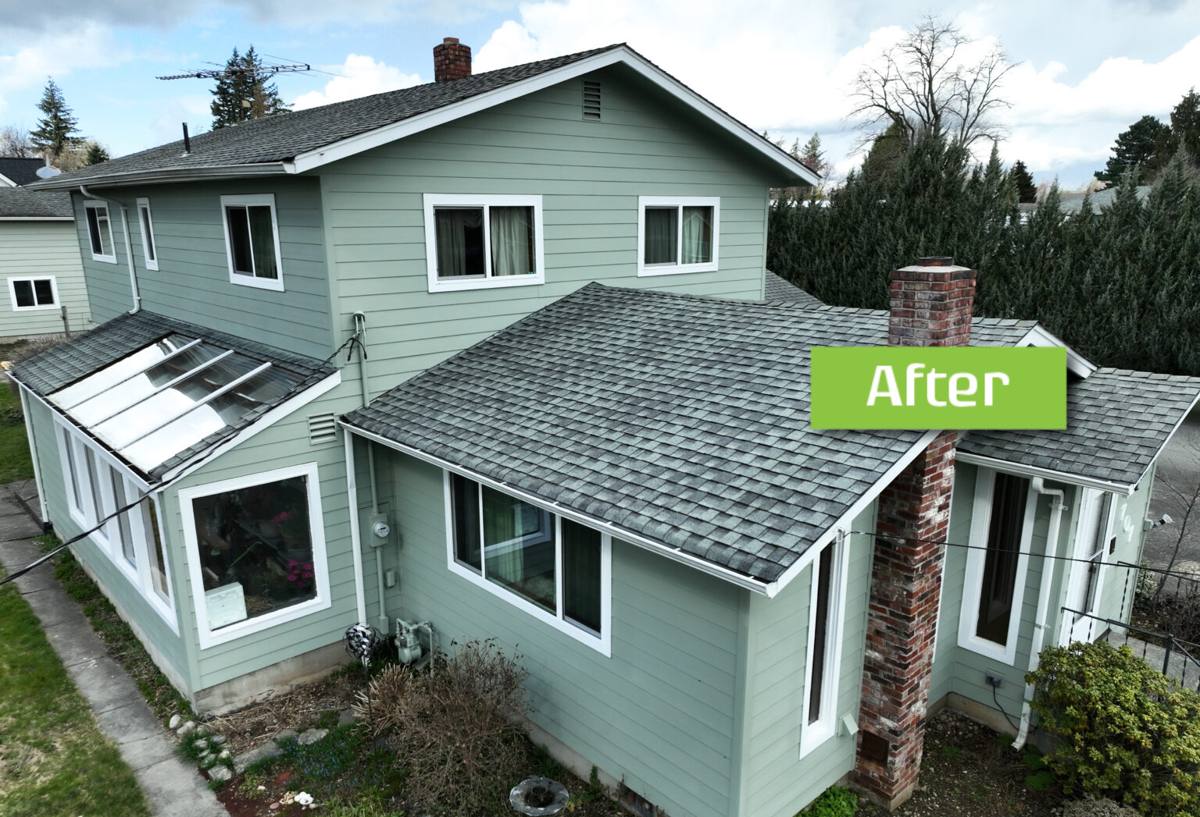
 New Roof Installation for South Hill Homes
South Hill homes take a beating that homeowners further inland rarely have to think about. Between salt-laden air drifting in off the water, long stretches of driving rain through fall and winter, and a moss season that can run most of the year in shaded spots, a roof here has to work harder than the same roof would twenty miles east. When we install a new roof for a South Hill property, we're not just matching shingles to a house — we're building a roof system that's designed around the specific way weather behaves in this part of Whatcom County.
This page covers what a correctly installed roof needs to include here, how we approach the job from first inspection to final walkthrough, and what to look for if you're comparing roofing crews. If you're just starting to research a roof replacement, this should give you a realistic picture of what the work actually involves — not a sales pitch.
What Whatcom County Climate Does to a Roof
Three conditions do most of the damage to roofs in this area, and they compound each other over time.
Salt Air and Metal Corrosion
Homes closer to the water deal with airborne salt that accelerates corrosion on exposed metal — flashing, fasteners, vents, and gutters. Standard galvanized fasteners and untreated flashing can start showing rust streaks well before the shingles themselves are due for replacement. We factor proximity to the water into fastener and flashing selection rather than defaulting to whatever's cheapest at the supply house.
Driving Rain and Wind-Driven Water
Rain here doesn't just fall straight down — wind pushes it sideways and up under laps, especially around valleys, chimneys, skylights, and roof-to-wall transitions. A roof that would be fine in a drier climate with looser flashing details can leak here within a season or two. Every penetration and transition point needs to be treated as a place water will actively try to get under, not just a spot to cover.
Moss and Sustained Moisture
Shaded, north-facing, and tree-covered sections of roof stay damp for days after a storm, which is exactly what moss needs to establish. Once moss gets a foothold, it lifts shingle edges, holds moisture against the roof deck, and accelerates granule loss. A new roof installed without attention to ventilation and moss-resistant details will start showing the same moss problems as the old one within a few years.
What a Correct Installation Includes
A roof replacement is more than stripping old shingles and nailing down new ones. The parts that actually determine whether a roof lasts are mostly invisible once the job is done.
- Full tear-off, not an overlay. Roofing over old layers traps moisture, hides deck damage, and voids most manufacturer warranties. We remove down to the deck on every job.
- Deck inspection and repair. Any soft, delaminated, or water-stained sheathing gets replaced before anything new goes down. Covering rotten decking with new shingles just hides the problem.
- Ice-and-water shield at vulnerable points. Eaves, valleys, and low-slope transitions get a self-adhered waterproof membrane underneath the shingles, since these are the areas most prone to wind-driven rain intrusion and any winter ice damming.
- Synthetic underlayment across the field. A quality synthetic underlayment holds up to the extended wet season better than older felt products and gives the deck a second line of defense.
- Properly detailed flashing. Step flashing at walls, counterflashing at chimneys, and new flashing at every penetration — not caulked-over old flashing reused to save time.
- Balanced ventilation. Intake at the eaves and exhaust at the ridge, sized to the attic, so moisture doesn't build up under the deck and accelerate moss growth or rot from underneath.
- Corrosion-appropriate fasteners and metal. Especially important on homes with any salt air exposure.
Choosing a Roofing Material for South Hill Conditions
There's no single "right" material for every home — it depends on budget, roof pitch, how much shade and moss pressure the property has, and how long you plan to stay in the house. Here's how the common options compare for this climate specifically.
| Material | Moss/Moisture Resistance | Wind-Driven Rain Performance | Typical Lifespan Here | Relative Cost |
|---|---|---|---|---|
| Architectural asphalt shingle | Good with proper ventilation; algae-resistant granule options help | Very good when flashed correctly | 20-30 years | Lower-mid |
| Standard 3-tab shingle | Fair; more prone to moss lift at edges | Good | 15-20 years | Lowest |
| Standing seam metal | Excellent; sheds moisture fast, little for moss to grip | Excellent | 40-50+ years | Highest |
| Composite/synthetic shake | Good; consistent, low-absorption material | Very good | 30-50 years | Mid-high |
For most South Hill homes, we see architectural asphalt shingles with algae-resistant granules as the practical middle ground — solid performance against moss and rain for a manageable cost. Homes with heavy tree cover or long-term owners who want to minimize future moss treatments often lean toward metal or composite instead. We'll walk through the trade-offs for your specific roof rather than pushing one product across the board.
Our Installation Process
1. On-Site Inspection and Estimate
We look at the existing roof, attic ventilation, deck condition where visible, and any problem areas you've noticed — leaks, moss buildup, shingle loss. You get a written estimate that spells out material, scope, and price, not a vague number.
2. Material Selection
We go over the realistic options for your roof's pitch, sun/shade exposure, and budget, including how each holds up against the moss and rain patterns specific to your property.
3. Tear-Off and Deck Assessment
Old roofing comes off down to the sheathing. Any damaged decking is identified and replaced — this is called out and priced separately since it's not always visible until the old roof is off.
4. Underlayment, Flashing, and Ventilation
Ice-and-water shield goes down at eaves and valleys, synthetic underlayment covers the field, new flashing is installed at every wall, chimney, and penetration, and intake/exhaust ventilation is balanced or corrected.
5. Roofing Installation
Shingles, panels, or shakes go on to manufacturer spec, with attention to nailing pattern and exposure — details that affect wind resistance and warranty validity more than most homeowners realize.
6. Cleanup and Magnetic Sweep
Old materials, debris, and stray fasteners are cleared from the yard and driveway before we consider the job done.
7. Walkthrough and Warranty Paperwork
We walk the finished roof with you, point out what was done, and hand over manufacturer and workmanship warranty documentation.
Signs Your South Hill Roof Needs Replacing
- Granules collecting in gutters or at downspout outlets
- Shingles curling, cracking, or lifting at the edges
- Moss established across multiple sections, not just isolated patches
- Daylight visible through the attic roof deck, or damp insulation
- Repeated leaks in the same area despite past patch repairs
- Roof is nearing or past the manufacturer's expected lifespan for its material
- Visible sagging along the ridge or between rafters
Questions Worth Asking Any Roofing Crew
Whatcom County has a mix of established local contractors and crews that show up seasonally, sometimes after storm damage, and move on. Before hiring anyone for a full roof replacement, it's worth getting straight answers to a few questions:
- Are you licensed and insured in Washington, and can you provide proof?
- Will the job include a full tear-off, or is this a roof-over?
- What underlayment and ice-and-water shield are included, and where will they be used?
- How is deck damage identified and priced if it's found during tear-off?
- What's covered under the workmanship warranty, separate from the manufacturer's material warranty?
- How long has your crew been working in this specific area, and can you speak to local permitting or weather timing?
Why a Crew That Already Works South Hill Matters
A roof replacement done by a crew unfamiliar with this specific area often misses details that only show up after a season or two of local weather. Knowing which sides of a roof stay shaded long enough to grow moss, how far wind-driven rain typically pushes water under poorly lapped flashing, and how salt exposure varies block by block isn't something you get from a general roofing checklist — it comes from doing the work here repeatedly. A local crew also has an easier time scheduling around Whatcom County's wetter stretches, so tear-off and dry-in happen during a realistic weather window instead of leaving a deck exposed longer than it should be.
After Installation: Keeping a New Roof Performing
A correctly installed roof still benefits from basic upkeep, especially given how long moss season runs here.
- Keep gutters clear so water isn't backing up under the eave line
- Trim back overhanging branches to reduce shade and debris buildup on moss-prone sections
- Have moss treated early, before it lifts shingle edges, rather than waiting for visible growth to spread
- Schedule a periodic visual check after major windstorms, particularly around flashing and penetrations
None of this replaces professional attention every few years, but it meaningfully extends the life of a properly installed roof.
Get a Free Estimate
If your South Hill roof is showing its age or you're weighing repair against full replacement, we're glad to come take a look and give you an honest read on where things stand — no pressure, no upsell. Use the form below to request a free estimate.