 Whatcom County
 Storm Damage Roof Repair for Barkley Homes
Barkley sits inland enough to feel sheltered, but it still takes the same weather the rest of Whatcom County gets: fast-moving fronts off the Pacific, sustained wind events in the fall and winter, and long stretches of rain that don't let a roof dry out between storms. Add in salt-laden air that drifts inland from Bellingham Bay and a moss season that can run eight months or more, and you've got a roof that's under more chronic stress than most homeowners realize until something fails.
Storm damage repair isn't just patching the spot that's leaking. Done right, it's an inspection of the whole roof system, a repair that matches the existing materials and flashing details, and a plan for the parts of the roof that survived this storm but won't survive the next one. That's the standard we hold every Barkley repair to.
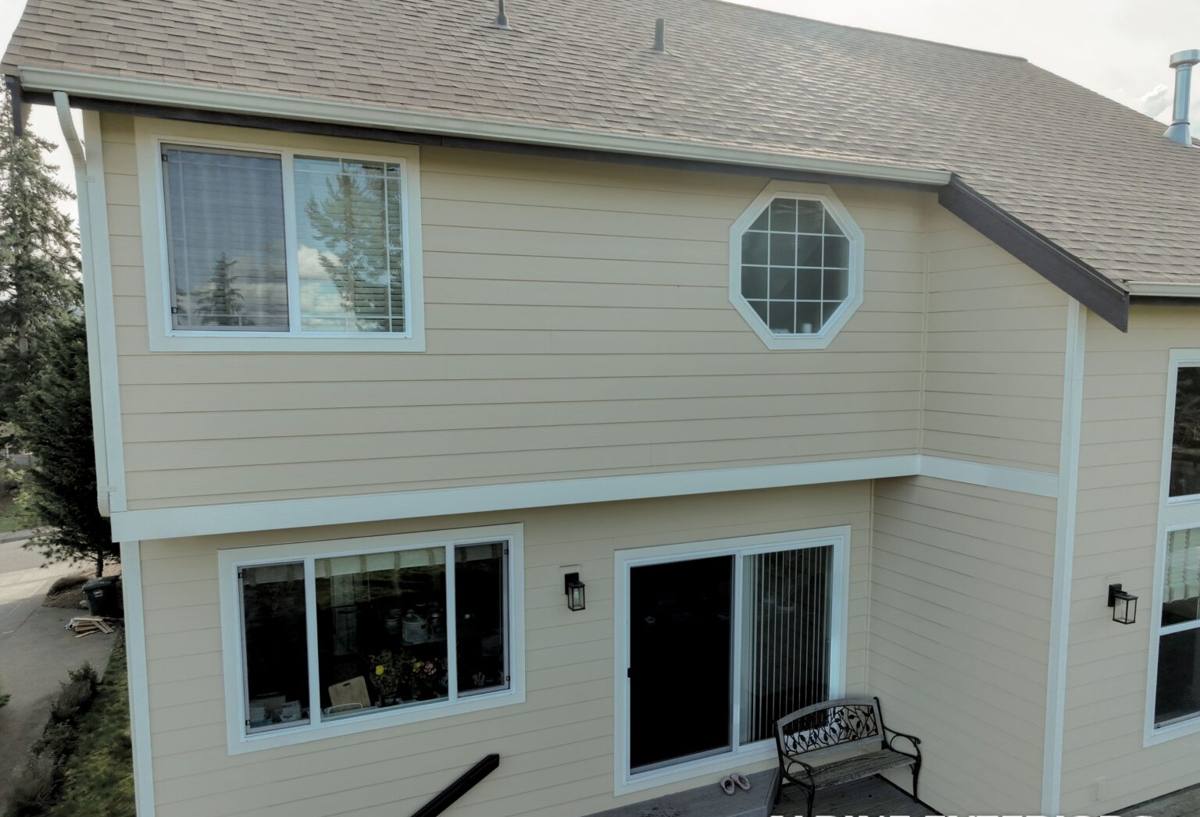
What Whatcom County Weather Actually Does to a Roof
Wind-Driven Rain and Uplift
Most storm damage in this area isn't a single dramatic event — it's wind getting up under a shingle or panel edge that was already loosened by age or a prior storm, then rain following that opening straight into the decking. Uplift damage often starts small: a few tabs lifted at a ridge or eave, a piece of flashing bent back a quarter inch. Left alone through one more wet season, that small opening becomes a soaked deck and interior damage.
Moss and Trapped Moisture
Whatcom County's moss season is long, and moss doesn't just sit on top of shingles — it works under tabs and holds moisture against the roofing material year-round. A storm that would be minor on a clean, well-maintained roof can do real damage on a roof that's already been compromised by moss growth and the granule loss that comes with it.
Salt Air and Fastener Corrosion
Homes closer to Bellingham Bay and the county's coastal edge deal with salt air that accelerates corrosion on exposed fasteners, flashing, and metal roofing components. It's a slower process than wind or water damage, but it's a real factor in how well a roof holds up to the next storm — corroded fasteners back out, and flashing that's thinned by corrosion tears more easily under wind load.
Signs of Storm Damage Worth a Second Look
Most homeowners don't get on their roof after a storm, and they shouldn't — a ground-level and interior check tells you most of what you need to know before calling for an inspection.
- Shingle granules collecting in gutters or at downspout outlets
- Shingles or panels that look lifted, curled, or out of alignment from the street
- Visible gaps or bent sections in flashing around chimneys, vents, or skylights
- New water stains on ceilings or upper interior walls after a storm
- Debris — branches, needles, moss clumps — built up in valleys or against the roof edge
- Gutters pulling away from the fascia or sagging under debris weight
- Attic musty smell or visible daylight through the roof deck, if the attic is accessible
What Storm Damage Isn't Always Obvious About
The damage you can see from the ground is rarely the whole story. Wind can lift shingles enough to break the seal without visibly displacing them, which means the roof looks intact but is no longer watertight in that spot. That's exactly the kind of damage that shows up as an interior leak weeks later, during the next storm, not the one that caused it.
What a Correct Storm Damage Repair Involves
A repair that actually holds up in Whatcom County weather isn't a quick patch. It's a sequence:
- Full roof inspection, not just the reported problem area — wind and rain rarely limit damage to one spot
- Deck inspection at the damaged area to check for soaked, soft, or delaminated sheathing under the roofing material
- Matching materials for the repair so the patched section performs the same as the surrounding roof, not a mismatched shortcut
- Flashing correction, since a large share of repeat leaks trace back to flashing that was reused or improperly resealed instead of replaced
- Moss and debris clearing around the repair area so moisture isn't reintroduced immediately after the fix
- Documentation of what was found and what was repaired, useful for your records and for insurance if you're filing a claim
Repair or Replace: How We Help You Decide
Not every storm-damaged roof needs full replacement, and not every roof that looks repairable should be repaired. The honest answer depends on the roof's age, how much of it is affected, and what's underneath the surface damage.
| Factor | Leans Toward Repair | Leans Toward Replacement |
|---|---|---|
| Roof age | Under 12-15 years, materials still in good general condition | Near or past expected service life for its material |
| Extent of damage | Localized to one section or slope | Spread across multiple slopes or the whole roof |
| Deck condition | Solid, dry sheathing under the damaged area | Soft, delaminated, or repeatedly soaked decking |
| Storm history | First significant event on an otherwise sound roof | Pattern of repeat damage or repairs over recent years |
| Material availability | Matching materials still available or close enough to blend | Discontinued material with no reasonable match |
We'll walk you through where your roof falls on this before recommending anything — a repair should be the right call for your roof, not just the cheaper first step toward a replacement you end up needing anyway.
Our Process for Barkley Storm Repairs
Inspection and Honest Assessment
We start with a full inspection, inside and out where accessible, and give you a straight answer on what happened, what it'll take to fix it, and what it'll cost — in a written scope, not a verbal guess.
Insurance Documentation, If You're Filing a Claim
If the damage is significant enough to involve your homeowner's insurance, we document findings in a way that supports your claim: photos, a written description of the damage, and a clear scope of repair. We work for you, not the insurance company, and we'll tell you plainly if we think a claim is or isn't worth pursuing for the scope of damage involved.
The Repair Itself
We match materials, correct flashing rather than patch over it, and check the deck before closing anything up. A repair over a soft or soaked deck section isn't a repair — it's a delay, and we won't sell you that.
Follow-Up
After the repair, we'll flag anything else we saw during the inspection that's worth keeping an eye on, even if it wasn't part of this storm's damage. A moss buildup or a section of aging flashing that's not failing yet is still worth knowing about before the next storm season.
Why a Crew That Already Works Barkley Matters
A roof repair crew that works Whatcom County regularly knows what the local building stock actually looks like — the common roofing materials used in Barkley and the surrounding Bellingham area, the flashing details typical of homes built in this region's various eras, and which storm patterns tend to cause which kind of damage here versus somewhere drier or less exposed. That familiarity means fewer surprises mid-repair and a faster, more accurate first inspection.
It also means we're not guessing at material availability or driving in from out of the area to source a match — we know what's standard here and what takes extra lead time, and we'll tell you upfront if your repair falls into the second category.
Maintenance That Prevents the Next Storm From Becoming a Repair Call
A repair is the right move once damage has happened. Preventing the next one is mostly about keeping moss, debris, and moisture from getting a foothold between storms.
- Clear moss growth before it spreads across a full slope, not after
- Keep gutters and valleys free of needles and debris going into fall and winter
- Have flashing checked periodically, especially around chimneys, skylights, and roof-wall intersections
- Trim back branches that overhang the roof and drop debris or scrape surfaces in wind
- Get a post-storm check after any significant wind event, even if nothing looks obviously wrong from the ground
Get a Straight Answer on Your Roof
If a recent storm has you wondering whether your roof needs attention, we're happy to take a look and give you an honest read — no pressure, no upsell to a replacement you don't need. Reach out for a free estimate using the form below, and we'll get you a clear scope and a straight answer.