 Whatcom County
 Why Decks in Sunnyland Wear Out Faster Than the Manufacturer's Warranty Suggests
Sunnyland sits close enough to the water and the marine weather patterns that move through Whatcom County that decks here take on a different kind of abuse than decks in drier parts of the state. It's not one big problem — it's several small ones working together, year after year, until a deck that looked fine from the yard turns out to have real structural issues underneath.
Salt-laden air corrodes fasteners, joist hangers, and any exposed metal hardware well before the wood itself gives out. Driving rain, especially the sideways kind that comes with winter storms off the water, gets pushed into board gaps, ledger connections, and railing posts instead of just running off. And the long moss season — realistically stretching from fall through spring in this part of the county — keeps deck surfaces damp and shaded for months at a time, which is exactly the environment wood rot and slick, dangerous walking surfaces need to take hold.
None of this means a deck in Sunnyland is doomed. It means the repair work has to account for moisture and corrosion specifically, not just patch what's visibly broken.
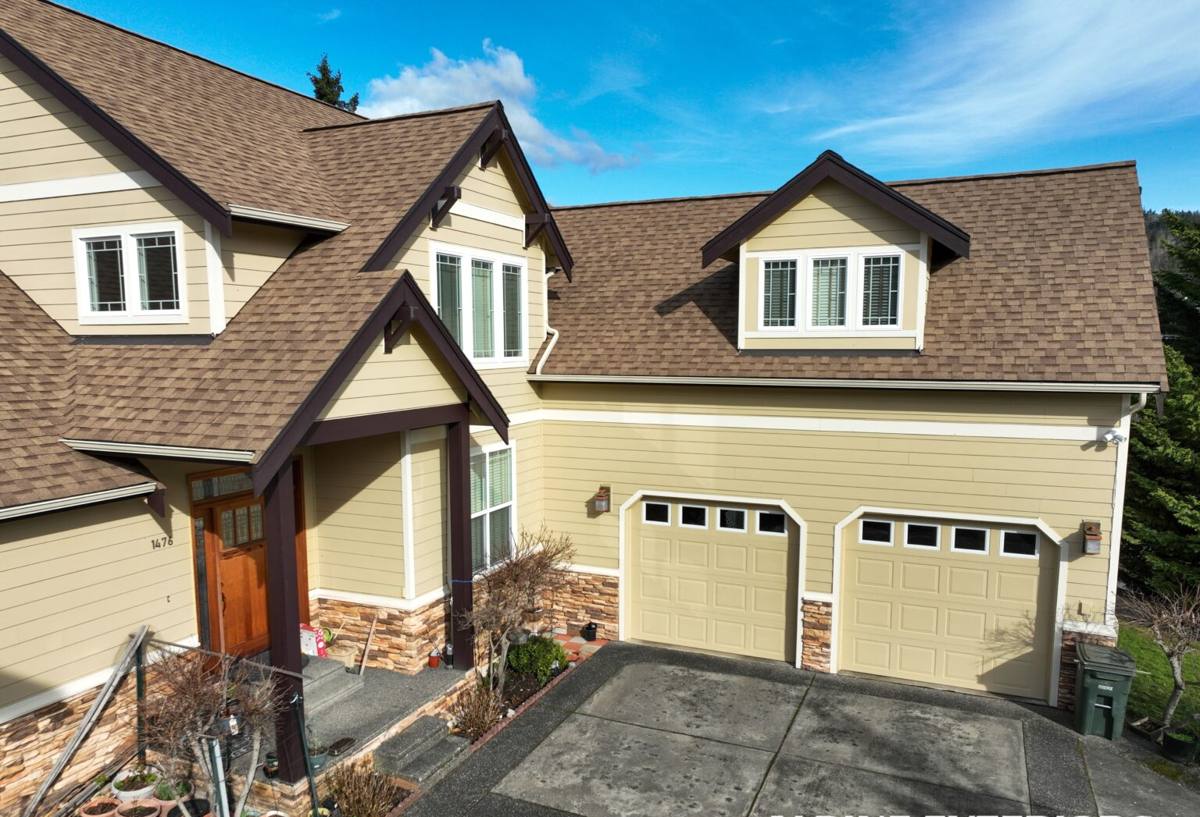
Signs Your Deck Needs Repair — and Signs It's More Serious Than That
Homeowners usually call us for one of two reasons: something is visibly wrong, or something feels wrong underfoot. Both are worth taking seriously, but they don't always point to the same size of problem.
Repair-level signs
- Individual boards that are cupped, splintering, or soft in spots but the frame underneath is solid
- Rust streaks running down from screws, nails, or joist hangers
- Railings that wiggle or posts that have loosened at the base
- Stairs that creak, bounce, or have a step that feels lower than the others
- Persistent moss or algae film that makes the surface slick even when it isn't raining
Signs you need a fuller structural evaluation
- Soft or spongy decking near the house where the deck meets the ledger board
- Visible gaps or separation between the ledger and the house siding
- A noticeable sag anywhere in the deck surface, not just one board
- Support posts sitting directly on soil or a footing that looks cracked or shifted
- Any decking older than 15–20 years that's never had the substructure inspected
The ledger connection — where the deck attaches to the house — deserves special attention in this climate. It's the single most common failure point we find on older decks in the area, because it's where moisture collects and where a compromised connection has the most serious consequences if it lets go.
What a Correct Deck Repair Actually Involves
A lot of "deck repair" in this region is really just cosmetic — replace a board, sand it, call it done. That approach hides problems instead of fixing them, especially on a deck that's spent years absorbing coastal moisture. Our standard is to treat every repair call as a chance to check what's underneath, not just what's visible.
Structural assessment first
Before we replace a single board, we check the framing: joists, beams, posts, footings, and the ledger connection. If the substructure is compromised, replacing surface boards without addressing it just buys a little time before the same problem resurfaces.
Hardware matters as much as wood
In a marine-influenced climate, fastener corrosion is often the real cause of a "wobbly" or "creaky" deck, not the wood itself. We use stainless steel or hot-dip galvanized hardware rated for exterior and coastal exposure, and we check joist hangers and structural screws — not just the visible deck screws — during any repair.
Moisture management, not just moisture removal
Fixing rot without addressing why that spot stayed wet just means it rots again. That can mean adding or correcting flashing at the ledger, improving drainage under the deck, adjusting board spacing for better airflow, or addressing grading and gutter runoff that's dumping extra water onto the deck structure.
Common Deck Materials in Sunnyland and How They Hold Up
| Material | How It Performs Locally | Typical Repair Needs |
|---|---|---|
| Pressure-treated lumber | Affordable, widely used; performs well if properly sealed and maintained against constant moisture | Board replacement, re-sealing, fastener upgrades, moss/algae treatment |
| Cedar | Naturally rot-resistant and common on older homes here, but needs regular finish maintenance in this rainfall | Sanding, re-staining, spot replacement of weathered boards |
| Composite decking | Resists rot well but the substructure beneath it still needs the same moisture and hardware attention | Board or fastener replacement, substructure inspection, drainage correction |
| Older/unknown-species lumber | Common on decks over 20 years old; performance varies widely and often shows hidden rot | Full structural assessment before any surface repair |
Whatever the surface material, the framing underneath is almost always standard lumber, and that's where the climate does its real damage. A composite deck with a rotted joist system is still a compromised deck.
Our Deck Repair Process
- On-site inspection. We walk the deck, check the surface, and get underneath it to inspect joists, beams, posts, footings, and the ledger connection.
- Honest scope of work. We tell you plainly whether this is a straightforward repair, a partial rebuild of a section, or a case where repair costs are approaching replacement territory — and why.
- Repair or replace, matched to the actual damage. We don't replace more than needs replacing, and we don't patch over something that needs to come out.
- Hardware and moisture correction. Any corroded fasteners or hangers get upgraded; any moisture source that caused the original damage gets addressed, not just the symptom.
- Final check and maintenance guidance. We walk you through what will keep the repair lasting, specific to your deck's material and exposure.
What Affects the Cost of a Deck Repair
| Factor | Why It Matters |
|---|---|
| Extent of structural damage | Surface-only repairs cost far less than work that requires opening up framing or the ledger connection |
| Material | Cedar and composite generally cost more per board than pressure-treated lumber |
| Accessibility | Decks over difficult terrain, multiple levels, or tight side-yard access take more labor time |
| Hardware condition | Widespread fastener corrosion adds labor even when the wood itself is in decent shape |
| Age and prior maintenance | A well-maintained older deck often repairs more cheaply than a neglected newer one |
Because every deck's condition is different, we don't quote repair work over the phone without seeing it. A deck that looks like a simple board swap from the yard sometimes turns out to need more, and we'd rather tell you that during a free estimate than after work has started.
Keeping a Repaired Deck in Good Shape
A repair is only as good as the maintenance that follows it, especially with the moss season Whatcom County sees for a good chunk of the year. A little seasonal attention goes a long way toward not needing another repair call in a year or two.
- Clear leaves, needles, and debris from between boards and off the surface regularly, especially in fall
- Treat moss and algae growth early, before it gets slick or starts holding moisture against the wood
- Check that gutters and downspouts near the deck are directing water away from the structure, not onto it
- Re-seal or re-stain wood decking on the schedule appropriate to its finish — don't wait until it's visibly gray and dry
- Walk the deck once or twice a year and check railings, stairs, and any spots that feel different underfoot
- Keep an eye on the ledger connection area near the house for any staining, gaps, or soft spots
Why It Matters to Hire a Crew That Already Works in Sunnyland
Deck repair advice that works for a dry-climate home doesn't hold up here. A crew that regularly works Sunnyland and the surrounding Whatcom County neighborhoods already knows which failure points show up first in this climate — the ledger connections, the corroded hardware, the moss buildup in shaded corners — and inspects for them as a matter of course, not as an afterthought.
That familiarity also means realistic guidance. We're not going to recommend a repair approach that ignores how much rain and moisture this area gets for most of the year, and we're not going to oversell a full replacement when a targeted structural repair will genuinely hold up. Our job is to give you a deck that's safe and sound for the conditions it actually has to survive.
Get a Free, No-Pressure Estimate
If your deck has soft spots, loose railings, rusted hardware, or you're just not sure whether it needs a repair or a closer look, we're glad to come take a look. Use the form below to request a free estimate — no pressure, no obligation, just a straight answer about what your deck actually needs.