 Whatcom County
 Why Sunnyland Siding Wears Differently Than Homes Inland
Sunnyland sits close enough to Bellingham Bay that homes here take on a combination of stresses that inland Whatcom County neighborhoods don't deal with in the same way. Salt-laden air moves off the water and settles on exterior surfaces, wind-driven rain gets pushed sideways into siding laps and trim joints instead of just falling straight down, and the long, damp shoulder seasons give moss and algae months at a time to establish themselves on north- and west-facing walls. None of these factors is dramatic on its own, but stacked together over years, they explain why siding repair calls in Sunnyland tend to look different from a repair call in a drier part of the county.
We're not describing anything unique to one house or one street — this is simply what the regional climate does to exterior building materials over time, and it's the starting point for how we diagnose and repair siding in this neighborhood.
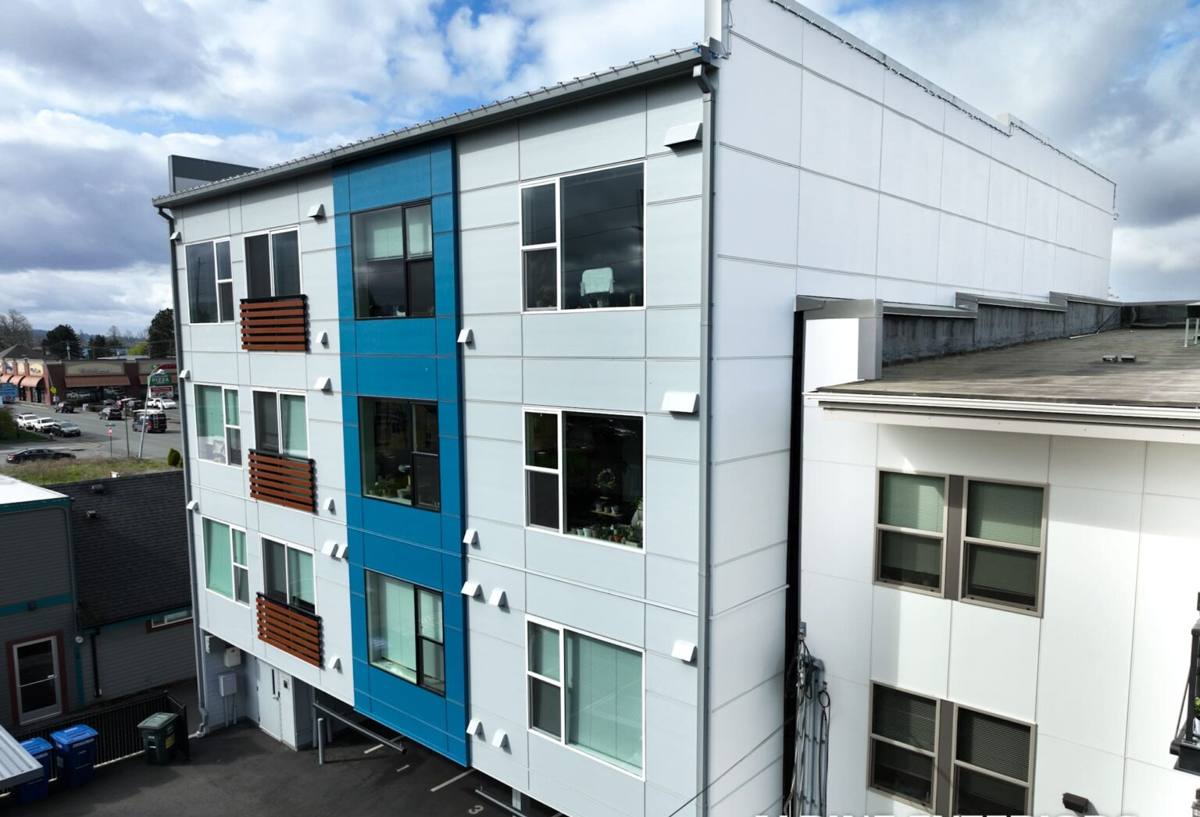
What Salt Air, Rain, and Moss Actually Do to Siding
Salt Air
Airborne salt is corrosive to exposed metal fasteners, flashing, and trim hardware, and it can accelerate the breakdown of coatings and caulk over time. On older siding systems, this shows up as rust streaking around nail heads, pitted or discolored trim fasteners, and caulk joints that fail earlier than the manufacturer's stated lifespan.
Driving Rain
Wind off the bay doesn't let rain fall straight down — it drives it sideways into every horizontal lap, corner joint, and window trim seam. Siding that was installed with tight or improperly sealed laps, or without adequate flashing above windows and trim, will take on moisture in exactly those spots first. This is almost always where we find hidden rot, long before it's visible from the ground.
Moss and Algae
Whatcom County's damp season runs long, and shaded, north-facing walls in a tree-covered neighborhood like Sunnyland rarely get enough direct sun to dry out fully between storms. Moss and algae take hold on porous or textured surfaces, and once established, they hold moisture directly against the siding face — which is a slow but steady path toward paint failure, substrate softening, and eventually rot if left unaddressed.
Common Damage We Find on Sunnyland Homes
Every house is different, but certain patterns show up again and again on the repair calls we run in this neighborhood:
- Soft or delaminating siding at the bottom courses, near grade or splash zones
- Rot around window and door trim where flashing was missing or under-lapped
- Cracked or gapped caulk joints that have let water track behind the siding face
- Rust streaking below fasteners on painted wood or cement composite siding
- Moss buildup on north-facing walls that's begun to hold moisture against the surface
- Bowed, warped, or buckled panels from repeated wet-dry cycling
- Failed or chalking paint film that's stopped shedding water effectively
A lot of these issues start small and cosmetic-looking. The problem is that what's visible on the surface is rarely the full extent of what's happening underneath — which is why a proper repair starts with real diagnosis, not just patching what you can see.
What a Correct Siding Repair Actually Involves
Diagnosis Before Patching
The most common mistake in siding repair — anywhere, not just here — is treating a symptom instead of the cause. Replacing a single damaged board without finding out why it failed just guarantees the same failure returns in a year or two. A correct repair starts by tracing the moisture path: is it a flashing gap, a caulk failure, a grading issue pushing water back at the wall, or a section of siding that was never properly sealed at the cut ends?
Checking What's Behind the Siding
Once we've opened up a damaged section, we check the water-resistive barrier, sheathing, and framing behind it for hidden rot or moisture damage. Surface siding repair without checking what's behind it is incomplete work — if the sheathing underneath is compromised, replacing the visible siding alone doesn't solve the problem.
Matching Materials and Finish
Good repair work should blend in, not stand out as an obvious patch. That means matching profile, exposure, and color as closely as possible — which is far easier on some siding systems than others, and one of several reasons we standardized on a single manufacturer's product line rather than juggling matches across brands.
Re-Sealing and Flashing Correctly
Any repair that touches a window, door, corner, or trim junction needs correct flashing and sealant detailing — not just caulk smeared over the gap. This is exactly the kind of joint that driving rain off the bay finds first, so it has to be done right the first time.
Repair vs. Replacement: How We Help You Decide
Not every damaged section needs a full re-side, but not every problem should be patched either. Here's how we generally think through it:
| Factor | Repair Usually Makes Sense | Replacement Should Be Considered |
|---|---|---|
| Extent of damage | Isolated to one or two sections/walls | Recurring across multiple walls or elevations |
| Underlying sheathing | Sound, dry, structurally intact | Soft, rotted, or moisture-damaged in multiple spots |
| Siding age/material | Newer, still within useful life | Original material is at or past its expected service life |
| Cause of failure | One-off installation defect (bad flashing, one gap) | Systemic issue — poor original install, wrong product for the exposure |
| Moss/algae history | Surface-level, hasn't compromised the substrate | Long-term moisture holding has led to repeated rot cycles |
We'll give you an honest read on which category your home falls into — we don't have a reason to push replacement on something that only needs a repair, and we won't tell you a patch will hold if the underlying problem will just resurface.
Our Repair Process
- On-site inspection: We look at the damaged area and check adjacent sections, trim, and flashing details for related issues, not just the obvious spot.
- Moisture and substrate check: We open up affected areas as needed to confirm what's happening behind the siding before quoting a fix.
- Written scope and estimate: You get a clear explanation of what's being replaced, what's being resealed, and why — no vague line items.
- Repair and re-flashing: Damaged material is removed, the substrate is addressed if needed, and new material goes in with correct flashing and fastening.
- Finish matching: Color and profile are matched as closely as the existing siding allows.
- Final check: We walk the repair with you before we consider the job done.
Why We Only Repair and Replace With James Hardie Fiber Cement
When a repair does call for new material — whether it's a few boards or a full section — we use James Hardie fiber cement, and only James Hardie. We don't install vinyl, LP SmartSide, primed spruce, cedar, or other fiber cement brands, and in a neighborhood like Sunnyland that's dealing with salt air, driving rain, and a long moss season, that standard matters more than in a drier climate.
Fiber cement doesn't rot, and it isn't a food source for the moss and mildew that thrive in this kind of damp, shaded environment. Hardie's ColorPlus factory finish is baked on rather than field-applied, which means better resistance to fading and chalking from years of coastal sun and salt exposure, and a repaired section that holds its color instead of visibly aging faster than the rest of the wall. Hardie's HZ5 product line is engineered specifically for climates like ours — cold, wet, and freeze-prone — which is a meaningfully better match for Whatcom County than a general-purpose product line built for a milder or drier region. It also carries a strong transferable warranty, which matters on a repair just as much as a full re-side, since you want confidence the fix will hold, not just look good on day one.
Why It Matters to Hire a Crew That Already Works This Neighborhood
A contractor who already does regular work in Sunnyland has seen how this specific stretch of the county behaves — which walls take the worst of the driving rain, how quickly moss re-establishes on shaded siding here versus elsewhere, and where older homes in this area are most likely to have flashing or sealant issues from original construction. That familiarity translates directly into faster, more accurate diagnosis and fewer surprises once a wall is opened up.
It also means accountability. A crew that plans to keep working in this neighborhood has every reason to do the repair right the first time — matching materials properly, flashing correctly, and standing behind the work — rather than treating it as a one-off job.
A Practical Checklist Before You Call for a Repair Quote
- Note which walls or elevations show the damage (this tells us a lot about likely causes)
- Check for soft spots by gently pressing on suspect areas (don't force anything)
- Look for moss or algae buildup on north- or west-facing sections
- Check window and door trim corners for gaps, cracked caulk, or discoloration
- Note any recent leaks, stains, or musty smells on interior walls near exterior damage
- Take photos of visible damage in daylight, if it's safe to do so from the ground
If you're dealing with damaged, aging, or moisture-affected siding on a Sunnyland home, we're glad to take a look and give you a straight answer on what it actually needs. Fill out the form below for a free, no-pressure estimate — there's no obligation, and we'll tell you plainly whether you're looking at a repair or something more.