 Whatcom County
 Window Installation in Cordata: Built for What This Climate Actually Does to a House
Cordata sits close enough to the water and the marine air pattern that runs through Whatcom County that window performance here isn't just about energy bills. It's about what happens when driving rain hits a window wall for days at a time, when salt-laden air slowly works on hardware and finishes, and when a long, damp moss season keeps every north-facing surface wet longer than it should be. A window that's fine in a drier inland climate can fail early here if it wasn't installed with this specific weather pattern in mind.
This page covers window installation specifically for Cordata homes — what the climate demands, what a correct installation actually involves, how our process works, and what to look for in a crew that's going to do this job once and do it right.
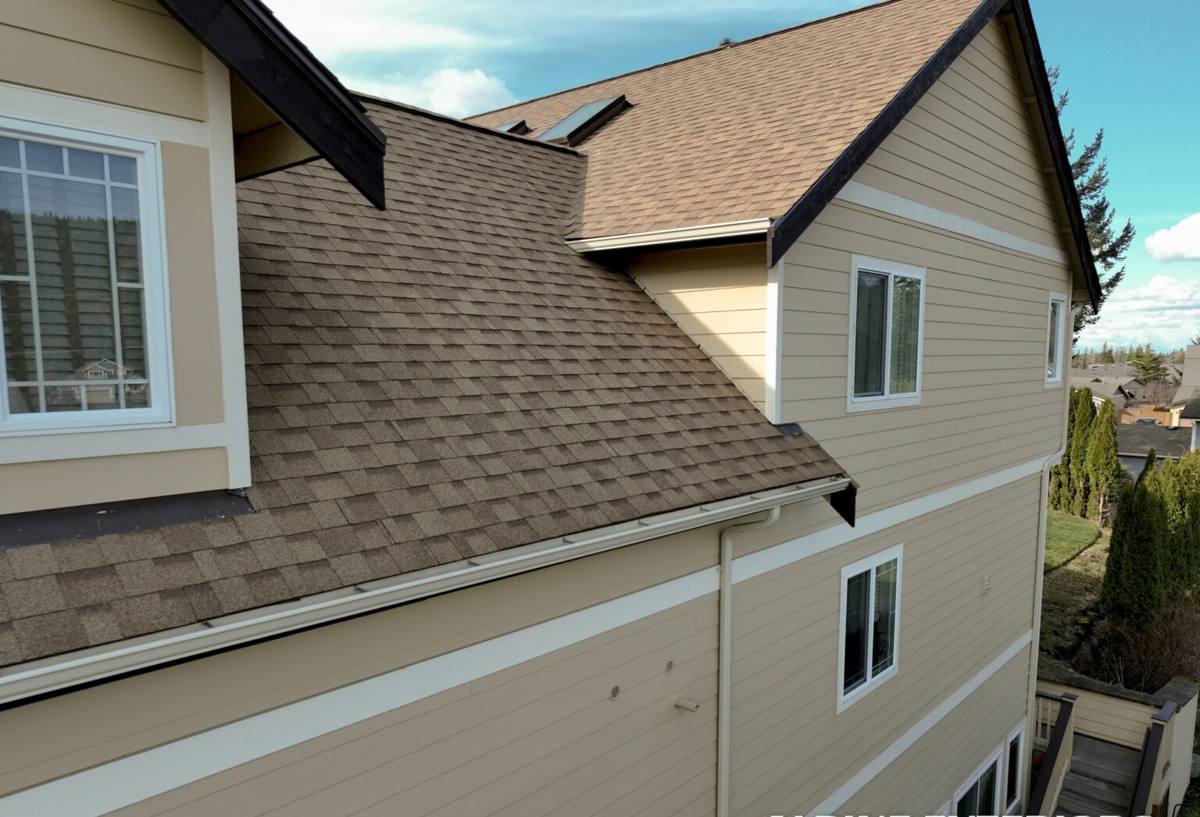
What Whatcom County Weather Does to Windows Over Time
Three things drive most of the window problems we see in this area, and Cordata is no exception:
- Driving rain — wind-driven rain doesn't just hit windows, it pushes water sideways and upward into gaps that a calm-weather installation might get away with. Flashing and sealant details that would hold up in a milder climate get tested constantly here.
- Salt air influence — even away from the immediate shoreline, the regional marine air carries salt content that accelerates corrosion on hardware, screens, and lower-grade metal components. Cheaper hinges, latches, and balance systems show pitting and stiffness years before they should.
- Extended moss and moisture season — long stretches of overcast, damp weather mean moss and algae get a foothold on sills, trim, and anything that stays wet. That moisture doesn't just look bad; it holds against wood trim and compromised caulk lines, feeding rot from the outside in.
None of this means Cordata is an unusually harsh place to own a home. It means window installation here has to account for sustained wet-weather exposure rather than the occasional storm, and that changes what "correct" looks like on the job.
Signs a Cordata Home Needs Window Attention
Homeowners usually call us for one of a few reasons. If you're seeing any of the following, it's worth having someone look before it turns into a bigger repair:
- Fogging or a hazy film between the panes of a double-pane window — the seal has failed and the gas fill is gone
- Soft or discolored trim and sills, especially on the sides of the house that catch the most weather
- Drafts you can feel near the frame even with the window fully latched
- Windows that are hard to open, close, or lock — often a sign the frame has shifted or hardware has corroded
- Visible moss or persistent green staining on sills and lower trim
- Rising heating costs without any other explanation
Any one of these can be a standalone fix. Several together, especially on an older home, usually point to a broader installation or product issue rather than a single bad window.
What a Correct Window Installation Actually Involves
Window installation quality is decided almost entirely by what happens before and around the window, not by the window unit itself. A premium window installed poorly will leak and underperform; a mid-grade window installed correctly will outlast it. Here's what we consider non-negotiable for this climate:
Flashing and Drainage Path
Every opening needs a proper flashing sequence — sill pan flashing, weather-resistant barrier integration, and head flashing that directs water out and away from the wall assembly, not just around the window frame. In a region with as much sustained rain exposure as Whatcom County, this is the single detail most likely to cause a callback if it's skipped or rushed.
Air and Water Sealing
Low-expansion foam or backer rod and sealant around the frame perimeter, done in the correct order relative to the flashing, keeps both air and bulk water out. Sealant alone, without the flashing behind it, is a temporary fix that fails the first time the sealant cracks or ages.
Proper Shimming and Square
A window that isn't shimmed level, plumb, and square will bind, won't latch cleanly, and puts uneven stress on the frame — which in turn stresses the seals. This is a slower, more careful step than it sounds like, and it's one of the first things a rushed crew skips.
Interior and Exterior Trim Detail
Trim isn't just cosmetic. Exterior trim needs to shed water away from the wall, not funnel it toward the siding-to-window transition. Interior trim needs a clean seal so conditioned air isn't leaking into the wall cavity.
Our Window Installation Process
Here's what to expect when we handle a window installation project in Cordata, whether it's one problem window or a full-house replacement:
- On-site assessment — we look at existing window condition, framing, siding interface, and any signs of water intrusion or rot before quoting anything.
- Product selection — we walk through frame material, glass package, and hardware options suited to your home's exposure (a north wall that stays wet longer may warrant different specs than a sheltered south wall).
- Removal — old windows come out carefully so we can inspect the framing underneath for hidden rot or moisture damage before it's covered back up.
- Framing repair, if needed — any soft or compromised framing gets addressed now. Installing a new window over damaged framing just hides the problem for a few more years.
- Flashing and weather barrier integration — sill pan, jamb, and head flashing installed in the correct sequence with the existing weather-resistant barrier.
- Setting, shimming, and fastening — window is set level, plumb, and square, then fastened per manufacturer specification.
- Sealing — insulation and sealant applied at the perimeter, interior and exterior.
- Trim and finish — exterior and interior trim installed and finished to match the home.
- Final check — every window is opened, closed, and latched to confirm smooth operation before we consider the job done.
Choosing a Window Type for This Climate
There's no single "best" window material — the right choice depends on exposure, budget, and how much upkeep you want to take on. Here's how the common options compare for a wet, salt-influenced climate like this one:
| Frame Material | Moisture Resistance | Maintenance | Typical Trade-Off |
|---|---|---|---|
| Vinyl | Good — won't rot, low corrosion risk | Low — occasional cleaning | Less rigid over very large spans; color/finish options more limited |
| Fiberglass | Very good — dimensionally stable in wet-dry cycles | Low | Higher upfront cost |
| Wood (unclad) | Requires diligent upkeep — vulnerable to prolonged wet exposure | High — regular refinishing | Best natural look, but a real maintenance commitment in this climate |
| Wood-clad (aluminum or vinyl exterior) | Good on exposed face; interior still wood | Moderate | Cladding protects the exterior, but any breach in the clad seam can trap moisture against the wood core |
| Aluminum | Corrosion risk increases with salt-air exposure over time unless properly finished | Moderate | Strong and slim sightlines, but thermal performance needs a thermally broken frame in this climate |
For most Cordata homes, we lean toward vinyl or fiberglass for exposed elevations because they hold up to sustained wet weather with the least ongoing maintenance. That's our professional standard based on how these materials behave over years of real exposure here — not a knock on wood or aluminum, which both have a place depending on the home's style and the owner's willingness to keep up with maintenance.
What Drives Window Installation Cost
Costs vary by project scope, but the main factors are consistent. This isn't a quote — it's what actually moves the number up or down:
| Factor | Why It Matters |
|---|---|
| Number of windows | Per-unit cost usually drops on larger jobs due to shared setup and labor efficiency |
| Frame material and glass package | Vinyl runs lower than fiberglass or wood-clad; upgraded glass (low-E coatings, double vs. triple pane) adds cost |
| Framing condition | Hidden rot or moisture damage found during removal adds repair time before the new window can go in |
| Window size and type | Large picture windows, bays, or custom shapes cost more than standard double-hung or slider sizes |
| Access and site conditions | Second-story or hard-to-access windows take longer and may require additional equipment |
| Trim and siding interface | Matching existing trim profiles or repairing surrounding siding adds labor |
Broadly, homeowners in this area should expect a wide range depending on these factors — a single standard window replacement sits well below a full-house project with premium glass and custom sizes. The only way to get a real number is a proper on-site look, which is what we'd rather do than guess over the phone.
Mistakes We See From Rushed or Out-of-Town Crews
Because window installation looks straightforward from the outside, it's an area where corners get cut without the homeowner knowing until years later. The most common issues we're called to fix:
- Sealant used as the only water defense, with no proper flashing behind it
- New windows installed directly over rotted or soft framing without addressing it first
- Improper shimming leading to windows that bind or won't seal tight
- Mismatched trim details that leave gaps at the siding transition
- Hardware not rated for coastal/marine-influenced air, leading to early corrosion
Most of these aren't visible at the time of installation. They show up two, three, or five years later as leaks, drafts, or wood rot — often after the original crew is long gone.
A Homeowner's Checklist Before Hiring
Whether you go with us or someone else, these are the things worth confirming before signing off on any window installation project in this area:
- Does the contractor inspect and repair framing before installing, not just after removal?
- Do they describe a specific flashing sequence, or just mention "sealing it up"?
- Are they familiar with this region's rain and moisture patterns, or applying a generic install method?
- Is there a written warranty that covers both the product and the labor/installation?
- Will they show you the manufacturer's installation instructions if asked?
- Do they have current local references or a track record of work in this specific area?
Why a Crew That Already Works in Cordata Matters
Window installation done right depends on understanding how a specific house, on a specific piece of ground, in a specific climate, actually behaves through the seasons. A crew that regularly works Cordata and the surrounding Whatcom County area already knows which elevations take the worst of the driving rain, how long moss season really runs, and what salt-air exposure does to hardware over time here versus a drier or more sheltered region. That local knowledge shapes decisions on-site — flashing details, hardware selection, sealant choice — that a crew unfamiliar with this specific weather pattern might not think twice about.
It also matters for follow-up. If a question comes up two years after installation, you want a contractor who's still working in your area and stands behind the job, not someone who did one project in the neighborhood and moved on.
Maintaining New Windows in This Climate
Even a correctly installed window benefits from basic upkeep given how much wet weather this area sees:
- Rinse sills and tracks periodically to keep moss and algae from taking hold
- Check exterior caulk lines once a year for cracking or separation, especially after a hard winter
- Keep gutters and downspouts clear so roof runoff isn't dumping extra water onto window heads
- Operate hardware (locks, latches, balances) a few times a year to catch stiffness or corrosion early
- Wipe down hardware in exposed locations if you notice salt residue buildup
None of this is heavy maintenance — it's the kind of five-minute seasonal check that catches small issues before they become window replacements.
Get a Free, No-Pressure Estimate
If you're dealing with drafty, foggy, or hard-to-operate windows in Cordata, or you're planning ahead for a full replacement, we're happy to take a look and walk you through honest options for your specific home and budget. Fill out the form below for a free estimate — no pressure, no obligation.