 Whatcom County
 Why Sunnyland Homes Put Extra Demands on a Window
Sunnyland sits close enough to Bellingham Bay that salt-laden air is a daily fact of life, not an occasional nuisance. Add in the driving, wind-pushed rain that comes off the Sound through fall and winter, and a moss season that can stretch from October into May, and you have a climate that quietly punishes weak points in a home's exterior. Windows are one of the biggest weak points there are, because every window is a hole in the wall with moving parts, seals, and seams that all have to keep working together for decades.
A window that would hold up fine in a drier inland climate can fail early in Sunnyland if it wasn't built or installed with this kind of exposure in mind. That's not a knock on any particular product — it's just the reality of coastal Whatcom County weather, and it's the lens we use for every window job we quote here.
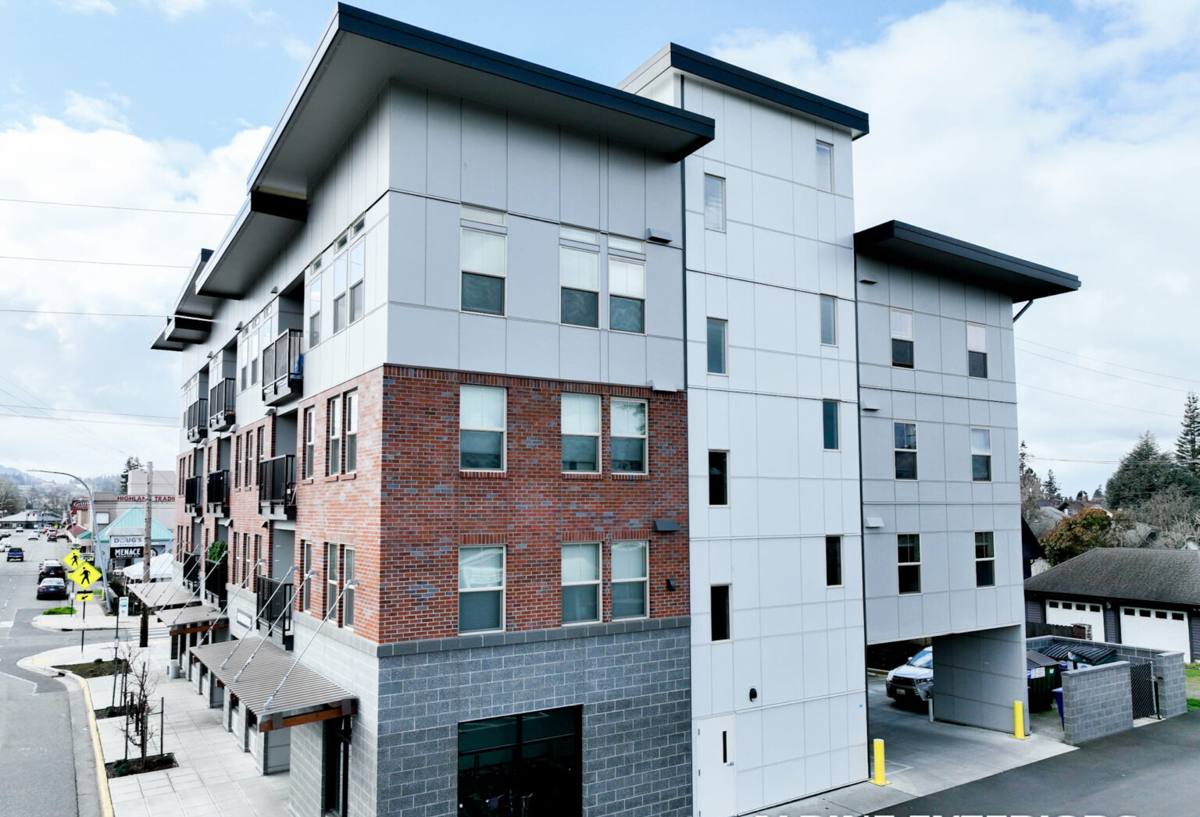
Signs a Sunnyland Home's Windows Are Past Their Useful Life
Most homeowners don't think about their windows until something forces the issue. In our experience working this neighborhood, these are the tells that show up first:
- Fogging or a milky haze between the panes — the seal on the insulated glass unit has failed and moisture has gotten inside where it can't dry out
- Wood trim or sills that feel soft, spongy, or show dark staining, especially on the sides that catch the weather
- Visible moss or green growth building up in the corners of the frame or on the sill
- Drafts you can feel with your hand near the frame on a windy day
- Windows that are hard to open, close, or lock — swollen wood or warped vinyl frames are common culprits
- A noticeable jump in heating bills without any other explanation
- Condensation forming on the inside of the glass regularly through the winter
Any one of these on its own might not mean full replacement. Several together, especially paired with visible frame damage, usually does.
What a Correct Window Replacement Actually Involves
Swapping a window is more than popping the old sash out and setting a new one in the same hole. In a climate that sees this much wind-driven rain, the details around the window matter as much as the window itself.
Removal Without Hidden Damage
We remove the old unit carefully and inspect the rough opening before anything new goes in. This is the point where hidden water damage from a previous failed window shows up — soft sheathing, rotted framing, or mold that never would have been visible from outside. Installing a brand-new window over damaged framing just hides the problem and guarantees a repeat failure.
Flashing and Water Management
This is the step that separates a window that lasts from one that fails in five years. Proper flashing — a sill pan at the bottom of the opening, weather-resistant barrier integration on the sides and top, and correctly lapped house wrap — directs any water that gets past the exterior trim back out of the wall instead of into it. Skipping or rushing this step is the single most common cause of the frame rot and interior staining we get called out to fix.
Air Sealing and Insulation
The gap between the new window frame and the rough opening needs to be sealed and insulated correctly — not just stuffed with fiberglass, which can settle and leave gaps, and not overfilled with expanding foam, which can bow the frame and cause the window to operate poorly.
Exterior Finish Work
Trim, caulking, and any siding tie-in has to be done so water sheds away from the window rather than pooling against it. In a neighborhood that sees this much sustained rain, a bead of caulk in the wrong place can be the difference between a dry wall cavity and a wet one.
Choosing Window Materials for a Coastal Whatcom County Climate
There's no single "best" window material for every home — it depends on your home's age, style, and how much upkeep you want to take on. Here's how the common options actually perform under salt air and heavy rain exposure:
| Material | Moisture Performance | Maintenance | Typical Fit |
|---|---|---|---|
| Vinyl | Won't rot; seams and corner welds are the areas to watch | Low — occasional cleaning | Most homes, best value |
| Fiberglass | Very stable in wet, temperature-swinging conditions; low expansion/contraction | Low | Homes wanting long-term durability and paintable finish |
| Wood (unclad) | Handsome but vulnerable to the driving rain and salt air here without diligent upkeep | High — regular painting/sealing | Historic homes where original character matters most |
| Aluminum-clad wood | Good exterior protection over a wood interior, but clad seams need to be watched | Moderate | Homes wanting a wood interior look with less exterior upkeep |
We install a range of these depending on the home. Our standard is choosing what will actually hold up on this specific house, in this specific location, rather than defaulting to one product for every job. Where we steer people away from unclad wood on exposed, weather-facing walls in Sunnyland, it's a maintenance and moisture-behavior call, not a knock on wood windows generally — a well-maintained wood window can last a very long time, but "well-maintained" is a real, ongoing commitment in this climate.
Energy Efficiency Worth Paying For
Whatcom County winters aren't brutally cold, but the damp cold that settles in off the water makes a poorly insulated window feel worse than the thermometer suggests. Look for:
- Double or triple-pane glass with a low-E coating suited to our mostly overcast, moderate climate
- Argon or krypton gas fill between panes for added insulation
- A warm-edge spacer system, which resists condensation better at the glass edge in humid conditions
- A U-factor and air infiltration rating appropriate for the Pacific Northwest, not just a generic national average
The efficiency upgrade matters, but it's secondary to the water management details above — an efficient window that leaks is still a failed window.
Our Process, Start to Finish
1. On-Site Assessment
We look at each window individually — sun exposure, wind exposure, and visible wear vary window to window even on the same house. We check framing condition where we can and flag anything that might affect the scope before we quote it.
2. A Clear, Itemized Estimate
You get a written estimate broken out by window, material, and labor, so you can see exactly what you're paying for and make changes if needed — no vague lump-sum numbers.
3. Scheduling Around Whatcom County Weather
We plan installs to minimize how long any opening sits exposed, and we watch the forecast closely. Rushing a job into a rain window is how corners get cut on flashing and sealing.
4. The Install
One opening at a time, fully weathered in before we move to the next — we don't leave multiple openings open at once.
5. Final Walkthrough
We check operation, sealing, and finish work with you before calling the job done, and point out anything you should keep an eye on going forward.
What Drives the Cost of a Window Replacement
| Factor | Why It Matters Here |
|---|---|
| Number and size of openings | Straightforward scaling, but larger or custom-shaped windows take more precise flashing work |
| Frame material and glass package | Vinyl, fiberglass, and clad-wood options price differently, as does upgraded low-E glass |
| Existing damage found at removal | Rotted framing or sheathing found once the old window is out adds scope, and it's common in older Sunnyland homes with aging windows |
| Access and window height | Second-story or hard-to-access openings take more time and equipment |
| Full-frame vs. insert replacement | Full-frame replacement (removing down to the rough opening) costs more than an insert but lets us fully address flashing and water management |
Every home is different, which is why we don't quote by phone — an accurate number requires seeing the actual openings.
Why It Matters That We Already Work in Sunnyland
A crew that regularly works this neighborhood already knows the exposure patterns — which sides of a typical Sunnyland lot take the worst of the wind-driven rain, how moss builds up differently depending on tree cover and shade, and what kind of framing and window ages are common in this part of Bellingham. That local pattern recognition shortens the assessment, catches problems faster, and means fewer surprises mid-job. It also means we're not learning the region's weather behavior on your house — we've already seen how it plays out on the ones next door.
Simple Upkeep That Extends the Life of New Windows
- Rinse salt residue and grime off exterior glass and frames a few times a year, especially after storms
- Clear moss and organic debris from sills and tracks before it holds moisture against the frame
- Check and re-caulk exterior trim joints if you notice cracking or gaps developing
- Operate locks and hardware periodically through the winter so mechanisms don't seize from disuse
- Keep gutters and downspouts clear nearby — overflow running down a wall is a common source of window-area water damage
If your Sunnyland home's windows are showing their age, we're happy to take a look and give you a straightforward, no-pressure estimate — just fill out the form below to get started.