 Whatcom County
 Asphalt Shingle Roofing Built for Samish Conditions
Samish sits close enough to the water that homes here deal with a specific combination of weather stress: salt-laden air moving off the bay, long stretches of driving rain through fall and winter, and a moss season that can run most of the year in shaded, north-facing roof sections. An asphalt shingle roof that would hold up fine in a drier inland part of Whatcom County can wear out faster here if it wasn't installed with these conditions in mind. That's not a knock on asphalt shingles as a material — it's a reminder that installation quality and product selection matter more in a marine climate than they do somewhere with milder weather.
This page covers what we actually do differently for asphalt shingle roofing in Samish: the prep work, the materials, the details that get skipped on rushed jobs, and what a homeowner should expect from a properly executed roof in this specific environment.
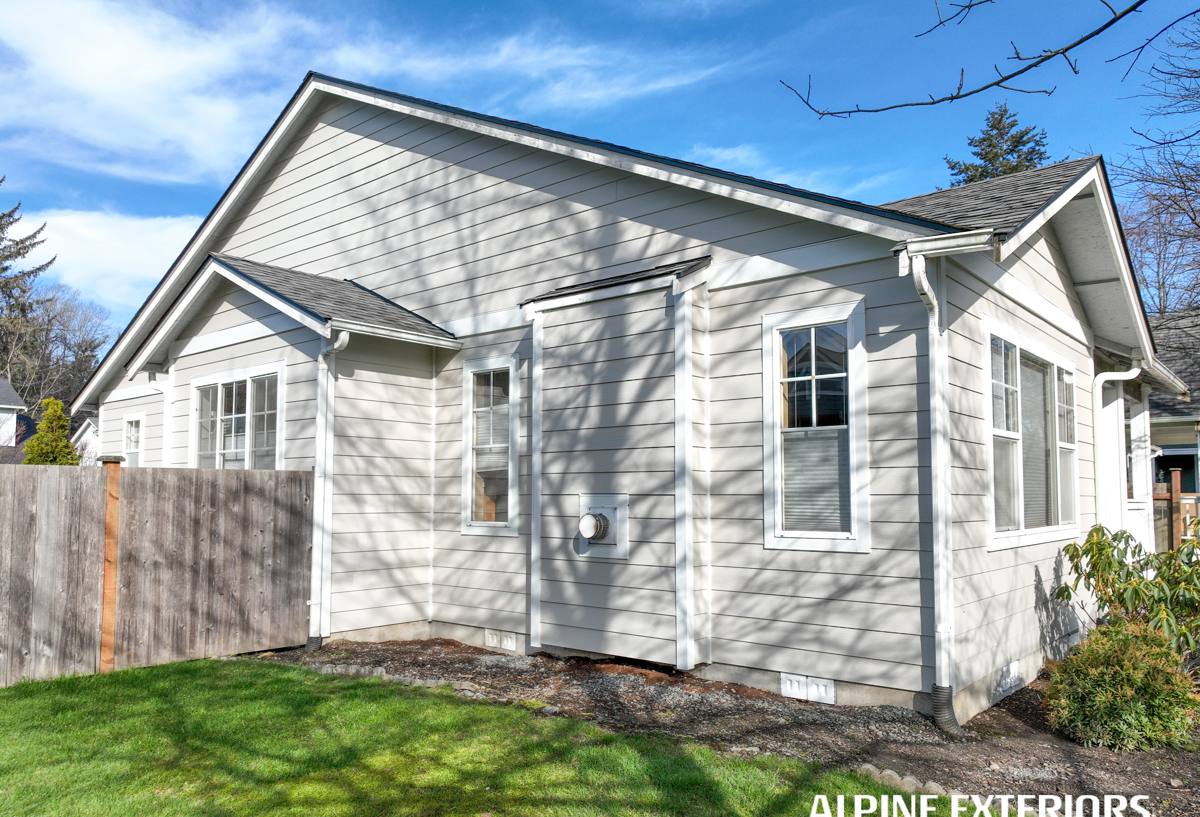
Why Samish's Climate Is Tougher on Roofs Than It Looks
Salt Air and Metal Fasteners
Homes within a few miles of saltwater see accelerated corrosion on exposed metal — nail heads, flashing, and vent stacks included. Standard electro-galvanized fasteners can start showing rust streaks well before the shingles themselves are due for replacement. Streaking isn't just cosmetic; it's a sign the fastener's protective coating is breaking down, and once that happens, the nail is more likely to loosen or corrode through over time.
Driving Rain and Wind-Driven Water
Rain that falls straight down is easy for any roof to shed. Rain that's being pushed sideways by wind off the water is a different problem — it gets forced up under shingle tabs, into exposed nail heads, and along valleys and flashing edges that weren't sealed with that scenario in mind. This is where underlayment choice and flashing detail work matter far more than shingle brand.
Moss, Shade, and Moisture Retention
Tree cover and the persistent damp common to this part of Whatcom County create ideal conditions for moss and algae growth, especially on north- and west-facing slopes that don't get much direct sun. Moss isn't just unsightly — its root structure lifts shingle edges as it grows, creating small gaps where water can work its way underneath. Left unaddressed over a few seasons, moss growth can measurably shorten a roof's usable life.
What a Correct Asphalt Shingle Roof Includes Here
A roofing job done right for this area isn't just "shingles nailed to plywood." Several layers work together, and skipping or cheapening any one of them is where premature failures usually start.
- Ice-and-water shield at eaves, valleys, and around penetrations — the parts of the roof most exposed to wind-driven rain and ice damming during cold snaps.
- Synthetic underlayment across the full deck, which handles incidental moisture far better over time than older felt products in a consistently damp climate.
- Corrosion-resistant fasteners — we don't use bargain electro-galvanized nails on homes with salt air exposure; the small cost difference isn't worth the early rust.
- Properly lapped step and counter-flashing at walls, chimneys, and dormers, rather than relying on caulk or sealant to do a flashing detail's job.
- Balanced ventilation — intake at the eaves, exhaust at the ridge — so moisture from inside the attic isn't adding to what the roof deck is already dealing with from outside.
- Starter strip and drip edge installed correctly at every eave and rake, not just the front-facing slopes.
Shingle Selection for This Environment
We generally steer Samish homeowners toward algae-resistant (AR) architectural shingles rather than basic three-tab. The AR designation means the shingle granules are treated to resist the blue-green algae that causes the dark streaking common on older roofs in wet, shaded climates — it won't stop moss on its own, but it slows the discoloration that algae causes on its own. Architectural shingles also carry a heavier laminate construction, which holds up better to wind uplift during winter storms than a lighter three-tab profile.
Our Process: Inspection Through Cleanup
1. Roof and Attic Assessment
We start by walking the roof and checking the attic from the inside — deck condition, existing ventilation, signs of past leaks, and how much moss or organic buildup is already present. This tells us whether we're looking at a straightforward re-roof or whether there's deck repair or ventilation work that needs to happen first.
2. Tear-Off and Deck Inspection
Full tear-off to the deck, not a layover. Layering new shingles over old traps moisture, hides deck problems, and voids most manufacturer warranties. Once the old roofing is off, we inspect the plywood or OSB deck for soft spots, rot, or delamination — issues that are common on older Samish homes where moss and slow leaks have been sitting unaddressed for years.
3. Underlayment and Flashing
Ice-and-water shield goes down first in vulnerable areas, followed by synthetic underlayment across the field of the roof. All flashing — valleys, walls, chimneys, and vent penetrations — gets replaced or re-set rather than reused, since flashing is often the actual point of failure on an older roof even when the shingles still look serviceable.
4. Shingle Installation
Shingles are installed to manufacturer nailing patterns and exposure specs — not "close enough." Correct nail placement is one of the most common shortcuts on rushed roofing jobs, and it's also one of the biggest factors in whether a roof survives a real windstorm.
5. Ventilation Check and Cleanup
We confirm intake and exhaust ventilation are balanced before we finish, then do a full magnetic sweep and debris cleanup of the property.
Repair, Replacement, or Moss Treatment: How to Tell Which You Need
Not every roofing issue in Samish means a full replacement. Here's how we typically evaluate it:
| Situation | Likely Approach | Why |
|---|---|---|
| Isolated leak, roof under 15 years old | Targeted repair | Flashing or localized shingle damage is often the cause, not the whole roof system |
| Heavy moss, shingles otherwise intact | Moss removal + treatment, monitor | Addressing moss early can extend remaining roof life significantly |
| Granule loss, curling shingles, roof 18-25 years old | Full replacement | Shingles are past their functional lifespan; repairs become a losing pattern |
| Soft decking or interior water stains | Full replacement with deck repair | Underlying structure needs to be addressed, not just the roofing surface |
| Rusted fasteners, streaking nail pattern visible | Inspection, likely replacement | Corrosion at the fastener level usually indicates the roof is nearing end of service life |
Cost Factors Specific to This Area
Every roof is priced on its own specifics, but a few factors come up repeatedly on Samish homes:
- Roof pitch and access — steeper slopes and limited equipment access both add labor time.
- Deck condition — plywood replacement found during tear-off is a common add, especially on older homes with a history of moss or slow leaks.
- Layer count — removing two or three layers of old roofing costs more in disposal and labor than a single-layer tear-off.
- Ventilation upgrades — adding proper intake or exhaust venting where a home currently has none.
- Shingle tier — algae-resistant architectural shingles cost more upfront than basic three-tab but typically outperform them in this climate.
We provide a written, itemized estimate before any work starts, so there's no guessing about what's included.
Maintenance That Actually Extends Roof Life Here
A well-installed roof still needs some upkeep in a climate like this. A short annual checklist goes a long way:
- Clear debris and needles from valleys and gutters before the fall rains start.
- Have moss treated or removed before it establishes heavily — thin growth is far easier to manage than a thick mat.
- Trim back overhanging branches to reduce shade and debris accumulation on north-facing slopes.
- Check attic ventilation isn't blocked by insulation, which can trap moisture against the underside of the deck.
- Have a professional inspection after any major windstorm, even if nothing looks obviously wrong from the ground.
Why a Crew That Already Works This Area Matters
Roofing crews who don't regularly work near the water sometimes treat every job the same way regardless of location — same underlayment, same fastener grade, same flashing approach whether the house is ten miles inland or three blocks from the bay. That approach isn't necessarily wrong everywhere, but it's not matched to what Samish homes actually deal with. We work throughout Whatcom County and have installed and repaired enough roofs in this specific area to know where water actually gets in, which slopes hold moss the longest, and which corners get cut on rushed jobs that end up costing homeowners more a few years down the line.
We're also familiar with the practical realities of scheduling roofing work around this region's wet season — timing tear-offs to minimize deck exposure to rain, and sequencing work so a roof isn't left partially open overnight if weather turns.
Get a Straightforward Estimate
If your roof is showing granule loss, moss buildup, curling shingles, or you're just not sure how much life it has left, we're happy to take a look. We'll give you an honest assessment — repair, monitor, or replace — along with a free, no-pressure estimate. Reach out using the form below to get started.