 Whatcom County
 Windows Built for Birchwood's Climate
Birchwood sits close enough to the water and the marine weather patterns that move through Whatcom County that its homes take a different kind of beating than houses further inland. Salt-laden air corrodes hardware and fasteners faster than dry climates ever would. Driving rain, pushed sideways by wind off Bellingham Bay, finds every gap in a window's flashing and sealant. And the long, damp moss season here means anything that stays wet too long — sills, trim, the wood framing behind a window — starts breaking down whether you notice it or not.
Windows that were fine when a Birchwood home was built 20 or 30 years ago are often not fine now. Seals fail, wood swells and rots, and single-pane or early double-pane glass just can't keep up with our winters. Replacing them isn't just a cosmetic upgrade — done right, it's how you stop water and moisture from getting a foothold in your walls.
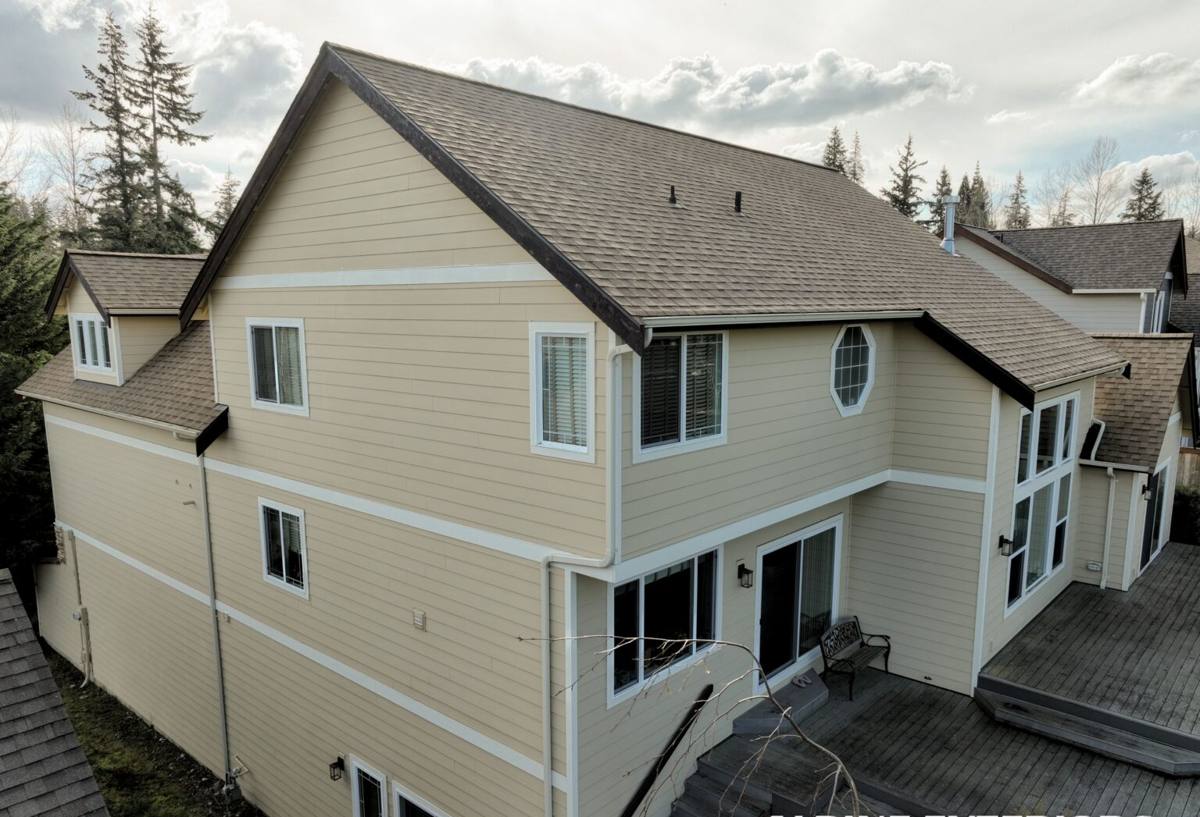
Signs a Birchwood Home Needs Window Replacement
Most homeowners don't wake up one day and decide to replace windows — they notice a problem and start asking questions. In this part of Whatcom County, the signs tend to show up in a few consistent ways:
- Fogging or a hazy film between panes — the seal has failed and the gas fill (or air gap) is gone
- Soft or discolored wood at the sill or bottom corners of the frame
- Drafts you can feel with your hand near the frame on a windy day
- Windows that are hard to open, close, or lock — frames have swelled or warped
- Visible moss or algae growth on the exterior trim or sill
- A noticeable jump in heating costs with no other explanation
- Condensation forming on the inside of the glass regularly through fall and winter
Any one of these on its own might not mean full replacement. But when you see two or three together, especially on the sides of the house that catch the most wind and rain, it's usually time to have someone look closely at the framing behind the glass, not just the window itself.
What a Correct Window Replacement Actually Involves
It's Not Just Swapping Glass
The window unit itself is maybe half the job. The other half — the part that determines whether the new window lasts 20+ years or starts failing in five — is what happens at the rough opening. In a climate that gets as much wind-driven rain as ours, sloppy flashing work is the single most common reason a window replacement fails early.
The Steps That Matter
- Careful removal of the old window without tearing up more siding or trim than necessary
- Inspection of the rough opening and framing for rot, soft wood, or existing water damage — this is where problems from old leaks usually surface
- Repair of any damaged framing before the new window goes in, not after
- Installation of a proper weather-resistive barrier and flashing tape, layered so water is always directed outward and down, never trapped behind the window
- Setting the window plumb, level, and square, with the correct shimming so it operates smoothly and seals properly for years
- Sealing and caulking the exterior with products rated for this climate, plus insulating the gap between frame and rough opening on the interior
- Reinstalling or replacing trim and siding cleanly around the new unit
Skip the flashing detail, rush the framing repair, or use the wrong sealant, and you can end up with a brand-new window that leaks behind the wall within a couple of seasons — a much more expensive problem than the one you started with.
Choosing Materials for a Marine Climate
Not every window product marketed as "premium" performs well in Whatcom County's mix of salt air, humidity, and near-constant moisture through fall and winter. Here's how the common options generally compare for a home in this area:
| Material | Moisture Performance | Maintenance | Notes for Coastal Whatcom County |
|---|---|---|---|
| Vinyl | Very good — won't rot, resists corrosion | Low — occasional cleaning | Our most common recommendation here; stable, cost-effective, holds up well to salt air |
| Fiberglass | Excellent — very stable, low expansion/contraction | Low | Strong long-term option, higher upfront cost, handles temperature swings well |
| Wood-clad | Good if maintained; vulnerable if the exterior cladding is ever breached | Higher — needs monitoring and occasional resealing | Attractive interior look, but we're honest that the maintenance burden is real in this climate |
| Aluminum | Poor thermal performance, prone to condensation | Moderate | Generally not what we recommend for residential replacement here given our winters |
We don't push one brand or material on every homeowner. What we do is explain honestly how each option handles moisture, temperature swings, and the salt air common in this part of the county, so the decision fits your home and your budget rather than a sales script.
Glass and Frame Details Worth Understanding
Beyond the frame material, a few specs actually matter for homes near the water:
- Low-E coatings help reflect heat and reduce UV fading on interior floors and furniture — worth having on most Whatcom County homes
- Argon or krypton gas fills improve insulation between panes, though the benefit fades over the life of the seal, which is why failed seals matter
- Warm-edge spacers reduce condensation risk at the edge of the glass, which is a common complaint in humid, cooler climates like ours
- Corrosion-resistant hardware — locks, hinges, and cranks rated for coastal or marine exposure last noticeably longer than standard-grade hardware here
None of this needs to be complicated. A good window package for Birchwood doesn't need to be the most expensive option on the shelf — it needs the right combination of these details for a home that sees a lot of rain and salt-tinged air.
Our Process for Birchwood Projects
Working regularly in this part of Whatcom County means we're familiar with the kind of exposure Birchwood homes deal with — which sides of a house typically take the worst weather, what framing condition to expect on older homes, and how to schedule around our wetter months. Our general process:
- An on-site estimate where we look at each window individually, not just count openings — condition varies a lot house to house and even wall to wall
- A clear, written quote showing material options and what's included, with no vague allowances
- Scheduling that accounts for weather — we don't open up a wall when a storm is rolling in off the water
- Installation with proper flashing and air-sealing at every opening, regardless of how "simple" the swap looks
- A final walkthrough so you can see and test every window before we consider the job done
What Window Replacement Typically Costs
Every home is different, but the factors that move the price are consistent. Understanding them helps you evaluate quotes rather than just comparing a bottom-line number:
| Factor | Why It Affects Cost |
|---|---|
| Number and size of windows | More openings and larger glass units mean more material and labor |
| Existing framing condition | Rot or water damage found during removal adds repair time before the new window can go in |
| Frame material | Vinyl generally costs less than fiberglass or wood-clad |
| Glass package | Low-E coatings, gas fills, and impact-rated glass add cost but improve performance |
| Trim and siding work | Matching or repairing exterior trim around the new window adds labor |
| Access and window placement | Second-story or hard-to-access windows take more time and equipment |
Broadly, homeowners in this area should expect a wide range depending on these factors — a single standard vinyl window replacement is a very different project than replacing a whole house of windows with upgraded glass and framing repair. We'll always break down the "why" behind a quote rather than just handing you a total.
Why a Locally Experienced Crew Matters
Window replacement isn't a job you want to learn on your house. A crew that already works in Birchwood and the surrounding Bellingham area knows what to expect before they even pull the first window: which framing details tend to show water damage on homes of a certain age, how to sequence work around our rain patterns, and how to flash a window correctly for wind-driven rain rather than just following a generic install manual written for a drier climate. That experience is what keeps a "quick window swap" from turning into a callback six months later.
If you're ready to get a straight answer on what your Birchwood home's windows actually need, we're happy to take a look. Reach out for a free, no-pressure estimate using the form below — we'll walk the exterior with you, point out anything we see, and give you honest options with no obligation.