 Whatcom County
 Window Installation Built for Edgemoor's Shoreline Climate
Edgemoor sits close enough to Bellingham Bay that its homes deal with a different set of conditions than houses further inland in Whatcom County. Salt-laden air moves through the trees and settles on siding, trim, and window frames. Driving rain off the water finds every gap in flashing that isn't done right. And the long, wet moss season here keeps roofs, gutters, and anything shaded damp for months at a time. Windows are one of the first places all of that shows up — as fogged glass, soft trim, sticking sashes, or a draft you can feel standing three feet away.
A window installation that works in a dry inland climate doesn't automatically work here. The materials, the flashing detail, and the sealant choices all need to account for salt exposure and near-constant moisture. This page walks through what that actually looks like for an Edgemoor home, and what a correct installation involves from the first cut to the final bead of caulk.
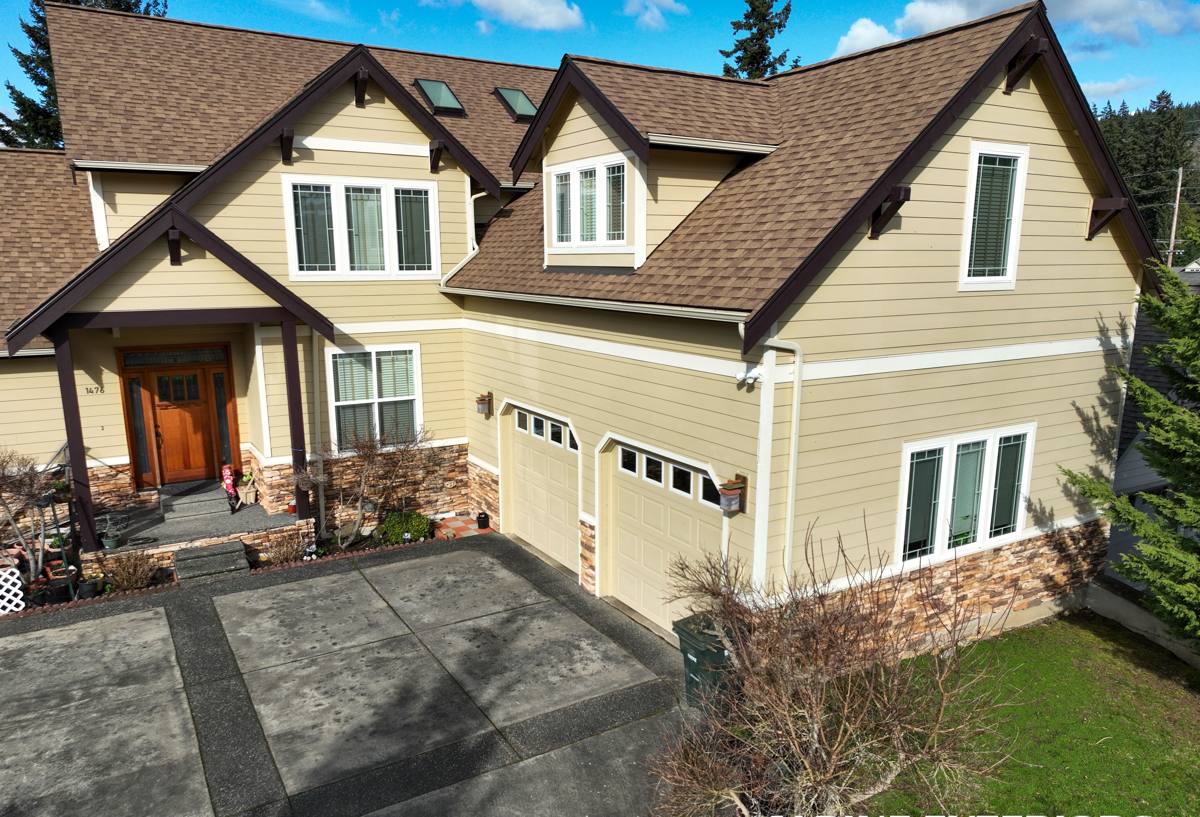
What Salt Air, Rain, and Moss Season Actually Do to Windows
Salt Air
Airborne salt is corrosive to exposed metal hardware — hinges, cranks, locks, and especially older aluminum frames. It also accelerates the breakdown of some sealants and finishes faster than a homeowner would expect based on the window's age alone. A 15-year-old window a few miles inland might look fine; the same window a few blocks from the bay may already have chalky finish, pitted hardware, or a frame that's started to pull away from the siding.
Driving Rain
Wind off the water doesn't just drop rain straight down — it pushes it sideways, into the top and side gaps of a window frame that a calmer climate would never test. This is why flashing sequence and sill pan design matter more here than in a lot of the county. A window that's caulked well but flashed wrong will still leak; the water just takes longer to show up, usually inside the wall cavity where nobody sees it until there's a stain or soft drywall.
Moss Season
Whatcom County's long wet stretch keeps shaded and north-facing walls damp for extended periods. Around windows, that moisture has nowhere to go if the original installation didn't include a way for incidental water to drain back out. Over time this shows up as darkened trim, a musty smell near the window, or paint that won't hold on the exterior casing no matter how many times it's redone.
Signs an Edgemoor Home May Need New Windows or a Redo
- Condensation forming between the panes (a failed seal on double- or triple-pane glass)
- Visible gaps, soft wood, or dark staining at the corners of the exterior trim
- Windows that are hard to open, close, or lock — often a sign the frame has shifted
- A noticeable draft near the window even when it's fully latched
- Paint that keeps failing on the exterior casing despite regular upkeep
- Hardware (cranks, hinges, locks) that's corroded, stiff, or pitted
- A musty smell or visible mold near the interior window frame after wet weather
Any one of these on its own might just need a repair. Several at once, especially on the side of the house facing the water or prevailing wind, usually means the original installation is failing rather than just the glass unit.
What a Correct Window Installation Involves
Replacing a window is straightforward in concept — old unit out, new unit in — but the details in between are what determine whether it holds up through another twenty years of Whatcom County weather. For a home in Edgemoor, we treat the following as non-negotiable, not upgrades:
Sill Pan Flashing
A sloped, sealed sill pan under the window gives any water that gets past the sash a way to drain back outside instead of soaking into the framing. This is one of the most common things missing from older or budget installations, and it's the single biggest factor in whether a window leaks during a hard driving rain.
Proper Flashing Sequence
Flashing tape and building paper need to be layered so water always sheds downward and outward — never trapped behind a layer that funnels it into the wall. Get the sequence backwards and the window can look perfectly sealed from outside while quietly leaking behind the trim.
Insulation Without Overpacking
The gap between the window frame and the rough opening needs to be insulated, but overpacking it with expanding foam can bow the frame and cause the sash to bind. We use a foam rated for window installation, applied in a way that fills the gap without distorting the unit.
Exterior Sealant Suited to Salt and Sun
Not every caulk holds up to salt air and UV exposure the same way. We use sealants rated for exterior, coastal-adjacent conditions rather than a generic interior-grade product, and we address hardware and trim finishes with the same standard in mind.
Interior Finish and Air Sealing
The interior side gets sealed for air infiltration as carefully as the exterior gets sealed for water, since a drafty interior seal wastes energy year-round regardless of how good the glass is.
Window Material and Frame Options — What Actually Holds Up Here
| Frame Type | Salt Air / Coastal Performance | Maintenance | Typical Trade-Offs |
|---|---|---|---|
| Vinyl | Good — won't corrode or rust | Low | Limited color/finish options; can discolor over many years of UV exposure |
| Fiberglass | Very good — stable in temperature and moisture swings | Low | Higher upfront cost than vinyl |
| Aluminum | Poor without a quality coating — prone to corrosion and pitting near the bay | Higher — coatings need monitoring | Thin sightlines are attractive, but we're honest that this is the weakest choice for direct salt exposure |
| Wood (clad exterior) | Good on the exterior clad side; interior wood needs protection from condensation | Moderate | Higher cost; needs proper interior humidity control near the water |
We don't push one material as universally best — it depends on the home's exposure, the homeowner's budget, and how much upkeep they want to take on. What we won't do is install a frame type in a high-salt, high-moisture location without being upfront about the maintenance it'll require, because a window that looks great for two years and then fights you for the next fifteen isn't a good outcome for anyone.
Cost Factors Homeowners Should Actually Weigh
Window pricing varies enough by size, material, and glass package that broad numbers aren't very useful on their own. What does change the estimate meaningfully for an Edgemoor property:
- Exposure — a wall facing the water or prevailing wind may warrant upgraded flashing detail or sealant regardless of window brand
- Existing damage — rot or soft framing found once the old window is out adds repair scope beyond the window itself
- Glass package — double- vs. triple-pane, low-E coatings, and gas fill all affect both cost and long-term performance
- Number of openings and access — second-story or hard-to-access windows take more time to stage and install safely
- Trim and finish work — matching existing exterior trim or repainting disturbed areas is a separate line item from the window unit itself
We walk through all of this on-site before giving a number, rather than quoting a flat per-window price that doesn't hold up once we see the actual condition of the opening.
How Our Process Works
- On-site assessment — we look at each window from both inside and out, check for existing water damage, and note anything specific to the home's exposure to wind and salt air
- Honest scope and estimate — you get a clear breakdown of what's needed, including any repair work the assessment turns up, before any commitment
- Removal and opening prep — old units come out carefully so we can inspect the framing underneath, not just cover it up
- Sill pan and flashing installation — done to the sequence described above, every time, not as an upcharge
- Window setting and insulation — units are shimmed level and plumb, then insulated without overpacking
- Exterior and interior sealing — coastal-rated sealant outside, air sealing inside
- Final walkthrough — we operate every window with you before we consider the job done
Why Hiring a Crew That Already Works Edgemoor Matters
A crew that mostly works drier, inland parts of Whatcom County can still do a technically fine window installation — but they may not default to the sill pan detail, sealant choice, or hardware standard that a shoreline-adjacent home like those in Edgemoor actually needs, simply because it's not what they run into every day. Working this area regularly means knowing which walls take the worst of the wind-driven rain, which materials hold up to salt air without a fight, and how the long moss season affects drying time between steps of the job.
It also means being straightforward about trade-offs instead of overselling a product. If a frame type isn't a good fit for a home's specific exposure, we'll say so and explain why, rather than installing something that looks good on day one and causes problems in year three.
Get a Straightforward Estimate
If you're noticing drafts, condensation, sticking sashes, or trim damage on your Edgemoor home, it's worth having someone look at the actual cause before assuming you need a full replacement. We offer free, no-pressure estimates and will tell you honestly whether you're looking at a repair, a partial replacement, or a full window installation — use the form below to get started.