 Whatcom County
 Building a Deck That Actually Holds Up in Everson
A deck in Everson lives outside year-round, and Whatcom County doesn't make that easy. From the salt air that drifts in off the coast to the driving rain and the long moss season that settle into every low-lying valley and river corridor in the county, outdoor structures here take a beating that a lot of national decking guides simply don't account for. A deck built to a generic spec sheet might look fine the first summer and start showing rot, soft spots, or slick green growth by year three. A deck built for this specific climate is a different thing entirely, and that difference shows up in the framing choices, the fasteners, and the small details most homeowners never think to ask about until something fails.
This page covers what we actually look at, build, and check when we put a custom deck on a home in Everson — not generic deck-building advice, but the specific things that matter for this area.
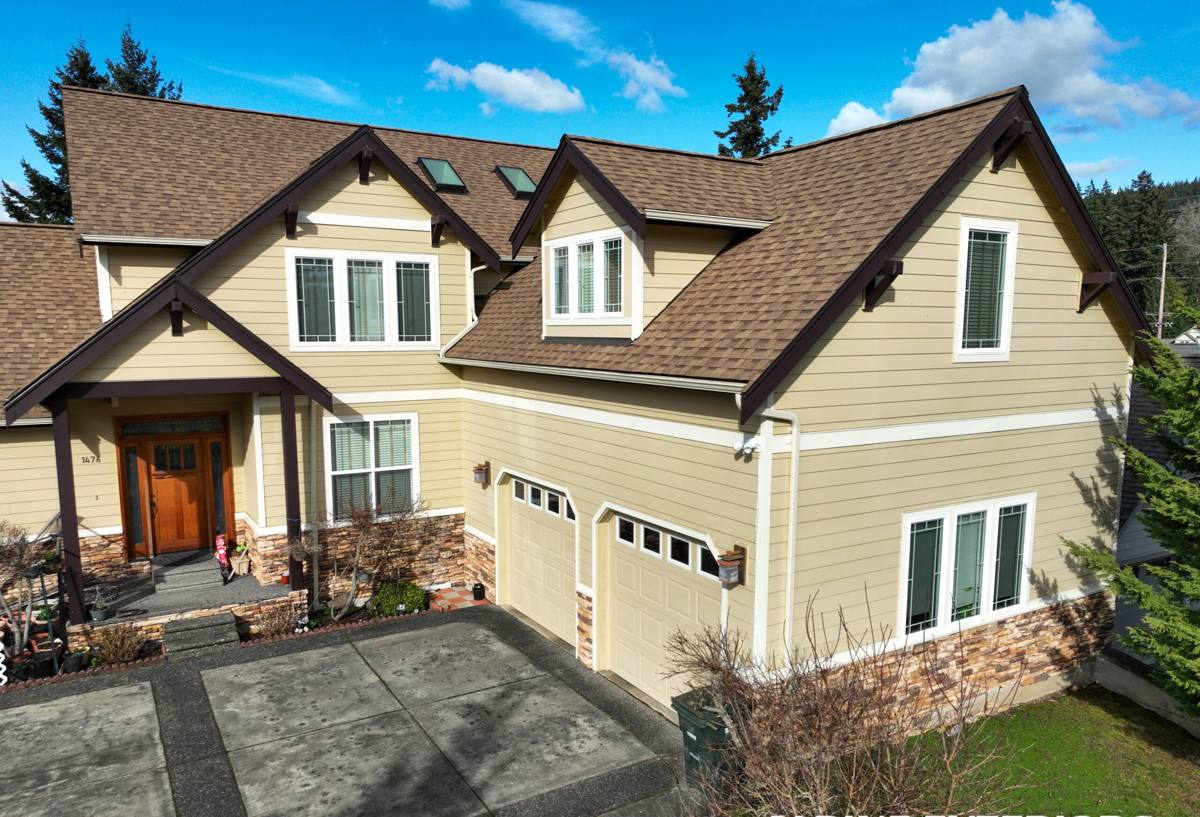
What Everson's Climate Actually Does to a Deck
Everson sits in a river valley with plenty of low ground, agricultural land, and moisture that doesn't clear out quickly once it settles in. Combine that with Whatcom County's long wet season and you get a few predictable stress points on any outdoor structure:
Moisture That Doesn't Leave
Ground fog, high humidity, and a wet season that stretches over several months mean wood surfaces stay damp longer here than they would in a drier climate. That extended dampness is exactly what moss, algae, and rot organisms need to get established, and it's why a deck that isn't detailed correctly for drainage and airflow starts showing problems earlier than the material's rated lifespan would suggest.
Freeze-Thaw Cycling
Whatcom County doesn't get brutal winters, but it does get repeated freeze-thaw swings — cold snaps followed by rain and thaw, over and over through the winter months. Water that gets into a joint, a fastener hole, or an unsealed cut end expands when it freezes and works that opening wider every cycle. Over a few seasons, that's how small gaps turn into structural problems.
Sustained Rain Loads
Driving rain doesn't just fall straight down — wind-driven rain gets pushed sideways into ledger connections, stair stringers, and any spot where two materials meet. Flashing and water management details that would be optional in a drier region are not optional here.
What a Correctly Built Deck Involves
A deck that's built to actually perform in this climate involves more than picking a decking board and screwing it down. The parts that matter most, and that are the easiest for a rushed job to skip, are below the walking surface.
Ledger Board and House Attachment
Where the deck ties into the house is the single most common failure point on decks we're called out to repair, regardless of builder. That connection needs proper flashing that sheds water away from the house framing, not just caulk and a wish. Done wrong, water tracks behind the flashing and rots the rim joist and the ledger from the inside, where nobody sees it until the deck starts to feel spongy or pulls away from the wall.
Footings and Frost Depth
Footings need to be sized and set to the depth required for this area's frost line and soil conditions, not just poured to "what looks deep enough." Undersized or shallow footings are one of the more common issues we find on older decks — they may hold for years and then start shifting once the ground saturates fully in a wet winter.
Airflow Underneath
A deck built low to the ground with no airflow underneath traps moisture against the joists and the underside of the decking. Proper joist spacing, gapping, and ground clearance let air move through and let the structure actually dry out between rain events instead of staying damp all season.
Fasteners and Hardware
Standard zinc-coated screws and hangers corrode faster in a consistently damp, humid climate than most homeowners expect. We use stainless steel or coated fasteners rated for exterior ground-contact and coastal-influenced conditions, and we match hardware to the decking material so galvanic reactions (a common issue with certain metal-and-wood combinations) aren't quietly working against the structure.
Choosing the Right Decking Material for This Climate
There's no single "best" decking material — it's a real trade-off between upfront cost, maintenance commitment, and how the material behaves in a wet, moss-prone climate. Here's how the common options actually compare for a property in Everson:
| Material | Moisture Behavior | Maintenance | Typical Lifespan |
|---|---|---|---|
| Pressure-treated wood | Absorbs and releases moisture; needs sealing to resist rot and moss | Annual cleaning and re-sealing recommended | 10–15 years with upkeep |
| Cedar | Naturally rot-resistant but still needs finish maintenance in wet climates | Periodic cleaning and staining | 15–20 years with upkeep |
| Composite decking | Doesn't absorb water into the board itself; surface can still grow moss/algae if not cleaned | Periodic washing; no sealing or staining | 25–30 years |
| PVC/capped polymer | Fully moisture-resistant surface; best resistance to mold and moss growth | Low — occasional washing | 25–30+ years |
Composite and PVC decking generally make the most sense for Everson properties specifically because of how little the wet season affects them once installed correctly — but they cost more upfront, and a poorly built substructure underneath a composite deck will fail just as fast as one under wood. The material is only half the equation; the framing and drainage underneath it matter just as much, regardless of what's on top.
Our Deck-Building Process
We keep the process straightforward and we don't skip the parts that don't show once the deck is finished:
- Site visit and assessment — we look at drainage, grade, sun exposure, and how the space is actually used before talking materials.
- Design and material selection — we walk through the trade-offs honestly, including what each material actually costs to maintain over time in this climate, not just the sticker price.
- Permitting — most new and replacement decks in Whatcom County require a permit; we handle that process rather than leaving it on the homeowner.
- Framing and structural work — footings, ledger attachment, joists, and hardware, built to hold up to the freeze-thaw and rain load this area sees every year.
- Decking, railing, and finish work — installed with attention to fastener placement, board gapping, and drainage.
- Final walkthrough — we go over the finished deck with you, including what maintenance (if any) the material needs going forward.
Common Problems We Find on Existing Everson Decks
When we're called out to look at an older or failing deck in this area, the issues tend to repeat:
- Moss and algae buildup on the walking surface from inadequate airflow or infrequent cleaning
- Soft or spongy decking near the house from a poorly flashed ledger connection
- Loose or leaning railings from fasteners that have corroded in the damp climate
- Footings that have shifted or settled after repeated wet-season saturation
- Gaps between boards that have closed up or warped from moisture cycling, trapping debris and moisture
- Stair stringers showing rot at the base where water pools and doesn't drain away
Most of these are preventable with correct original construction — they're rarely a sign that decks "just don't last" here, they're a sign the structure wasn't detailed for the climate it's sitting in.
Maintenance That Actually Matters Here
Whatever material you choose, a few habits go a long way toward getting the full lifespan out of a deck in this climate:
- Sweep debris off the surface regularly — trapped leaves and dirt hold moisture against the boards and feed moss growth
- Rinse or lightly scrub the surface a couple of times a year to keep moss and algae from getting established
- Check the ledger board area at the house each year for any signs of staining, softness, or gaps in the flashing
- Keep gutters and downspouts near the deck clear so runoff isn't dumping directly onto or under the structure
- For wood decking, reseal on the schedule the finish manufacturer recommends — don't wait until it's visibly graying
- Trim back vegetation that's shading the deck and keeping it from drying out between rain events
Why Hire a Crew That Already Works in Everson
Deck-building isn't unique to this area, but building one that lasts here takes local knowledge that a crew from outside the region doesn't have on day one. We already know how Whatcom County's permitting process works for decks, what frost depth and footing requirements apply locally, and how the wet season and moss growth actually behave on a real deck through a real winter — not in a manual, but from having built and repaired them here. We also schedule construction around this area's weather patterns rather than fighting them, which matters more than most homeowners expect when it comes to getting concrete footings and framing done correctly without rushing.
If you're planning a new deck or looking at replacing one that's showing its age, we're happy to come take a look and talk through honest options for your property — no pressure, no sales script. Reach out for a free estimate using the form below and we'll walk you through what a deck built for Everson's climate actually involves.