 Whatcom County
 Window Replacement Built for Fairhaven's Marine Climate
Fairhaven sits close enough to the water that its weather behaves differently than inland Whatcom County. Homes here take on salt-laden air, near-constant winter drizzle, driving rain off the strait, and a moss season that runs longer than most homeowners expect. Windows are one of the first things to show the wear from that combination — fogged glass, swollen sashes, chalky or pitted frames, and drafts that show up every time the wind shifts off the water. A window replacement here isn't just a cosmetic upgrade; it's a chance to close off the specific weak points that this climate exploits year after year.
We work on homes throughout Whatcom County, and Fairhaven jobs get treated as their own category. The flashing details, sealant choices, and frame materials that hold up fine twenty minutes inland can fail early this close to salt water. Getting it right the first time matters more here than almost anywhere else in the county.
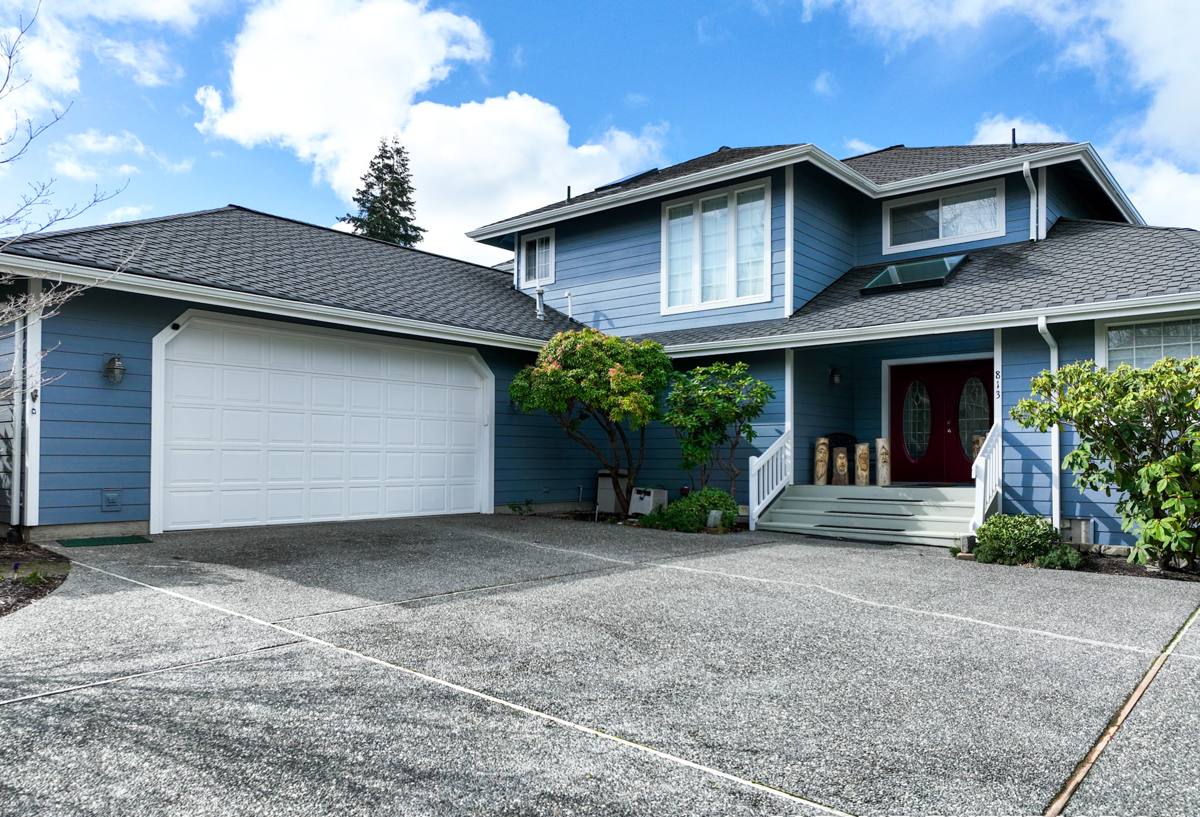
What Salt Air, Rain, and Moss Actually Do to Windows
It helps to understand the specific damage mechanisms at play, because they drive every recommendation that follows.
Salt Air
Airborne salt is corrosive to unprotected metal — hardware, hinges, and lower-grade aluminum components can pit and stick years before they would inland. It also accelerates the breakdown of some sealants and finishes, which is why hardware quality and finish selection matter more for a Fairhaven install than a stock spec sheet would suggest.
Driving Rain
Wind-driven rain doesn't just fall on a window — it gets pushed sideways and upward into any gap in the flashing or seal. Older installations that rely on caulk alone, without proper flashing and drainage behind the frame, are the ones we see fail first. Water finds its way behind the trim, into the wall cavity, and the damage shows up as rot long before anyone notices a drip inside.
Moss and Sustained Moisture
A long moss season means more months of the year where wood trim, sills, and siding around a window stay damp instead of drying out between rains. That sustained moisture is what turns a small gap or a hairline crack in old glazing putty into real wood rot. Moss on a roof or in gutters above a window opening also redirects water in ways it wasn't designed to handle, dumping extra runoff right onto the window head.
Signs a Fairhaven Home Needs Window Replacement
Not every issue means a full replacement — some are caulk-and-monitor situations. But these are the signs we take seriously on a coastal Whatcom County home:
- Fogging or a visible haze between panes of double-glazed glass — the seal has failed and can't be repaired, only replaced
- Soft, spongy, or visibly rotted wood at the sill or lower corners of the frame
- Windows that are difficult to open, close, or lock — often a sign the frame has swollen or warped
- Visible daylight or a noticeable draft along the frame edges during windy weather
- Peeling paint, chalking, or pitting on metal hardware and frames near the coast
- Water staining on interior trim or the wall below the window after storms
- Moss or persistent green growth on the sill or exterior trim
- A noticeable jump in heating costs without another clear cause
What a Correct Window Replacement Job Involves
The window itself is only part of the job. Most failures we get called out to fix in this area trace back to installation shortcuts, not the product. A correct replacement in a climate like this includes:
Proper Flashing and Drainage
Every opening needs flashing that directs water out and away from the wall assembly, not just a bead of caulk around the trim. This is the single biggest difference between an install that lasts fifteen years and one that starts leaking in three.
Sill Pan Protection
A sill pan at the base of the opening catches any water that does get past the primary seal and routes it back outside instead of into the wall framing. On a home this exposed to driving rain, we treat this as standard, not optional.
Correct Sealant and Insulation
The gap between the window frame and the rough opening needs to be sealed and insulated correctly — not overpacked with expanding foam, which can bow the frame, and not left with gaps that let air and moisture through.
Hardware and Finish Matched to the Environment
Given the salt air, we pay attention to hardware finishes and frame materials that resist corrosion rather than defaulting to whatever is cheapest to stock.
Choosing Materials for a Coastal Whatcom County Home
There's no single "best" window material — it depends on the home's age, style, and how exposed it is to weather. Here's how the common options generally compare for a home in Fairhaven's conditions:
| Material | How It Handles This Climate | Maintenance | Best Fit |
|---|---|---|---|
| Vinyl | Good moisture resistance, won't rot or corrode; quality varies a lot by manufacturer | Low — occasional cleaning | Most homes, especially where budget and low upkeep matter |
| Fiberglass | Very stable in temperature swings and moisture; holds paint well if color changes are wanted later | Low to moderate | Homes wanting durability without wood upkeep |
| Wood | Classic look for older and historic-style homes, but needs consistent upkeep to resist this area's rot risk | High — regular painting/sealing | Character or historic-style homes where appearance is a priority |
| Wood-Clad | Wood interior look with a protective exterior shell (vinyl, aluminum, or fiberglass) to shield against rain and salt air | Moderate | Homeowners who want a wood interior without full exterior wood maintenance |
| Aluminum | Strong but conducts cold and is more prone to corrosion near salt air unless properly finished | Moderate | Specific architectural styles; less common as a primary residential choice here |
For a lot of Fairhaven's older homes with real character, a wood-clad option is often the middle ground — it keeps the traditional look from inside the house while putting a weather-resistant shell on the side that actually faces the rain and salt air. We'll walk through the honest trade-offs for your specific home rather than pushing one material across the board.
Glass Considerations
Double-pane, low-E glass is the standard baseline for this climate — it manages both heat loss and the condensation that shows up on cold, damp Pacific Northwest mornings. Triple-pane adds another layer of insulation and sound dampening, which is worth discussing if the home faces a busy road or gets strong wind exposure off the water, but it comes at a higher cost and added weight on the frame.
Our Window Replacement Process in Fairhaven
- On-site assessment — we look at every window in question, check for hidden rot or moisture damage around the frame, and note specific exposure (direction, overhang, prior water intrusion)
- Honest recommendation — we tell you which windows genuinely need replacement versus which can be repaired or monitored, and why
- Material and glass selection — matched to your home's style, budget, and how exposed that side of the house is to weather
- Removal and inspection — old windows come out carefully, and we check the framing underneath for rot or water damage before anything new goes in
- Correct installation — proper flashing, sill pan, sealing, and insulation, not just a drop-in replacement
- Final check — every window is tested for smooth operation, a tight seal, and correct locking before we call the job done
If we find rot or damage in the framing once the old window is out, we'll walk you through it and get your approval before doing any additional repair — no surprise change orders after the fact.
Cost Factors for Fairhaven Window Replacement
Every home is different, so we don't quote sight unseen, but these are the main factors that move the price up or down:
| Factor | Why It Matters |
|---|---|
| Number and size of windows | More or larger openings mean more material and labor |
| Material choice | Vinyl, fiberglass, wood-clad, and full wood carry different price points |
| Existing frame condition | Rot or water damage found during removal adds repair scope |
| Glass upgrade | Triple-pane or specialty coatings cost more than standard double-pane low-E |
| Window style | Custom shapes, bays, or historic-profile replicas cost more than standard operable windows |
| Access and height | Second-story or hard-to-reach windows take more time and equipment |
As a broad range, straightforward standard-window replacements tend to run in the low-to-mid thousands per window depending on size and material, with wood or custom work landing higher. We'll give you a firm number after seeing the home, not a phone estimate.
Why a Local Whatcom County Crew Matters Here
A window replacement crew that already works Fairhaven and the surrounding Bellingham area knows which details actually matter in this specific climate — how much flashing overlap is enough for driving rain off the water, which finishes hold up against salt air, and which older homes in the area tend to have hidden rot around original window openings. That's the kind of judgment that only comes from doing this work repeatedly in these exact conditions, not from a general spec sheet.
Being local also means we're not disappearing after the install. If a seal needs a look after the first hard winter storm, or a question comes up about how a window is performing, we're a short drive away — not a call center for a company that worked here once and moved on.
Get a Free, No-Pressure Estimate
If you're seeing fogged glass, drafts, sticking frames, or water staining around your windows, it's worth getting a professional look before the next storm season adds to the damage. Fill out the form below and we'll walk your Fairhaven home, give you a straight assessment of what actually needs replacing, and put together a clear, no-pressure estimate.