 Whatcom County
 Why Lynden Decks Wear Out Faster Than the Brochures Say
Lynden sits close enough to salt air and marine weather patterns that decks here age differently than decks inland. Add in Whatcom County's driving rain through fall and winter, plus a moss season that can stretch from October well into spring, and you have a climate that's genuinely hard on exterior wood structures. A deck that would last two decades in a dry climate can start showing real structural problems in half that time if it wasn't built or maintained with this weather in mind.
Most of the deck repair calls we get in Lynden aren't cosmetic. They start as a soft spot near a post, a railing that wiggles more than it used to, or boards that stay damp days after the rain stops. Those are moisture problems, and moisture problems don't fix themselves — they spread through wood fiber and framing connections until a simple repair turns into a full rebuild. Catching them early is the whole game.
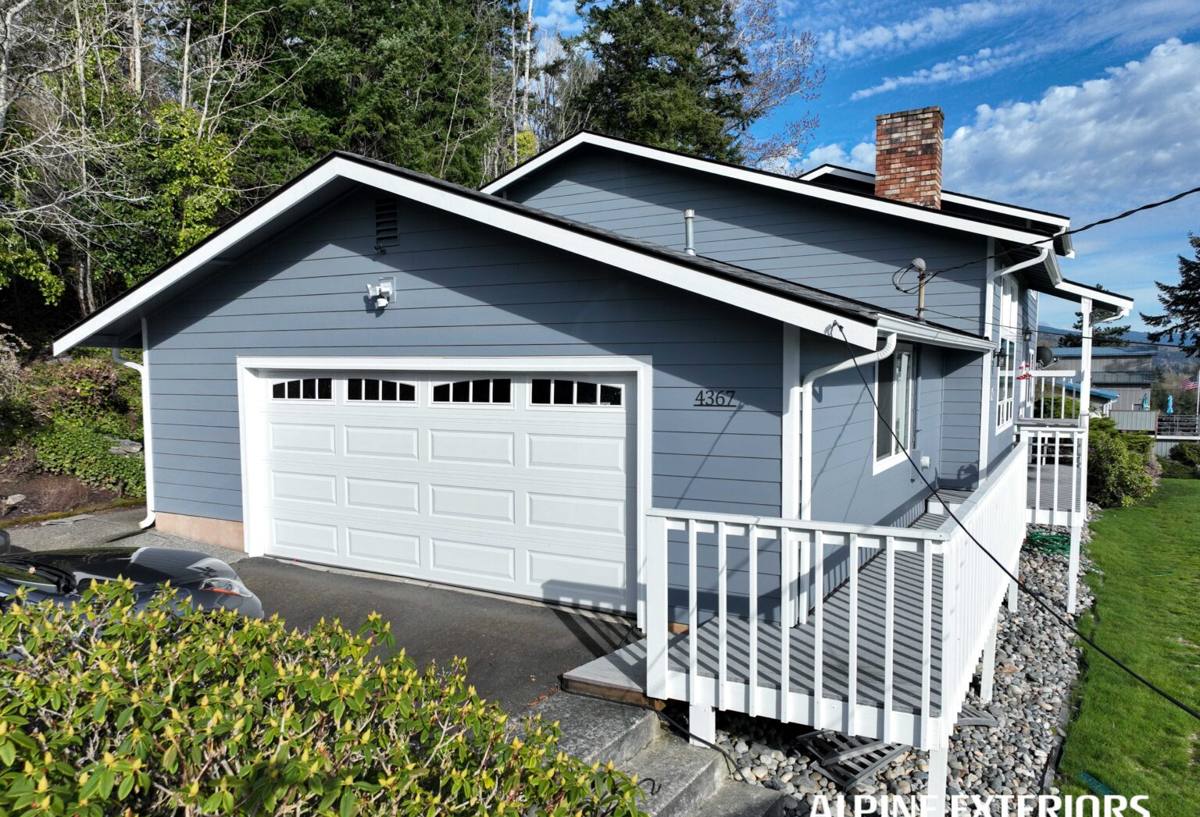
Signs Your Deck Needs Attention Now, Not Next Summer
Decks rarely fail all at once. They give warning signs for months, sometimes years, before something actually breaks. Homeowners in Lynden should walk their deck a couple times a year and check for the following:
- Boards that feel spongy, springy, or give slightly underfoot
- Any post, railing, or stair stringer that moves when you push on it
- Gaps opening up where the deck ledger meets the house
- Dark staining, streaking, or a musty smell near framing members
- Moss or algae holding moisture against boards for extended periods
- Fasteners that are rusted, popped up, or missing entirely
- Visible daylight or soft wood where posts meet concrete footings
Any one of these on its own might be minor. Two or three together, especially near the same area of the deck, usually means water has been getting into the structure longer than it looks from the surface.
What's Actually Failing: The Problems We See Most
Ledger Board and Rim Joist Rot
The ledger board — the piece that attaches the deck to the house — takes on more water than any other part of the structure because it sits where two building surfaces meet. If flashing was installed poorly or has failed over time, water works its way behind the board and rots it from the inside. This is a structural connection, not decoration, and it's one of the most common reasons a deck separates from a house or feels unstable near the doorway.
Post Base and Footing Deterioration
Where a wood post meets a concrete footing is a classic weak point in wet climates. Water pools at the base, wicks up into the end grain, and rots the post from the bottom up — often while the rest of the post still looks fine. By the time it's visible above the surface, there's usually significant damage below.
Decking Board Failure
Individual boards cup, split, or soften as they absorb and release moisture season after season. This is normal wear, but it accelerates fast once a board's protective coating has worn through and bare wood is exposed to standing water or trapped debris.
Railing and Guard Instability
Railings take constant lateral stress from people leaning on them, and their post connections are a common failure point. A wobbly railing isn't just annoying — it's a safety issue, and it's usually a sign of loosened or rotted fasteners at the post base.
Moss and Algae Buildup
Whatcom County's extended moss season means anything shaded or slow to dry becomes a growth surface. Moss holds moisture directly against the wood, which both accelerates rot and makes the deck surface slick and unsafe underfoot.
Repair or Replace? What Actually Determines the Answer
Not every deck problem calls for full replacement, and not every repair is worth doing if the underlying structure is compromised. The honest answer depends on a few factors we walk through during an inspection.
| Factor | Leans Toward Repair | Leans Toward Replacement |
|---|---|---|
| Structural framing (joists, beams, posts) | Solid, isolated soft spots only | Widespread rot or multiple failed connections |
| Age of the deck | Under 15 years, built to code | Original construction unclear or well past typical service life |
| Ledger attachment | Flashing intact, isolated fix needed | Flashing failed, water intrusion at multiple points |
| Decking surface | Scattered board issues | Most boards cupped, split, or soft |
| Code compliance | Meets current guard and stair requirements | Railing height, spacing, or footings don't meet current code |
A lot of decks fall somewhere in the middle — solid framing but a failing surface, or good decking sitting on posts that need attention. That's where a targeted repair makes the most financial sense, and it's why we never quote a full rebuild before actually opening up the areas in question.
How We Approach a Deck Repair in Lynden
1. On-Site Inspection
We start by physically testing the deck — checking posts for movement, probing suspect boards, and looking closely at the ledger connection and any area where water tends to collect. This isn't a visual walk-around; we're checking what's actually happening under the surface.
2. Honest Assessment
We tell you what we find in plain terms: what's structural, what's cosmetic, and what can wait. If a repair isn't worth doing because the framing underneath is compromised, we'll say so rather than patch over a bigger problem.
3. Scoped Repair Plan
We put together a plan that addresses the actual cause — not just the symptom. If rot started because of a flashing failure, replacing boards without fixing the flashing just buys a few years before the same problem returns.
4. Repair Work
We replace rotted framing, posts, and boards with materials sized and rated for the load they'll carry, correct flashing and water management where needed, and rebuild connections to current structural standards.
5. Finish and Protect
Once repairs are complete, exposed wood gets sealed or finished appropriately so the new work doesn't start the same deterioration cycle the old deck went through.
Choosing Materials for the Repair
What we use to repair a section depends on what's already there, your budget, and how much longer you want the deck to last before a bigger project. Here's how the common options compare for repair work specifically:
| Material | Best For | Trade-Off |
|---|---|---|
| Pressure-treated lumber | Structural framing repairs, posts, joists | Needs periodic sealing to perform well long-term in wet climates |
| Cedar decking | Matching existing cedar decks, natural appearance | Softer wood, more sensitive to moss and moisture without upkeep |
| Composite decking | Surface board replacement, low future maintenance | Higher upfront cost, requires correct spacing and fastening for drainage |
We don't push one material as a blanket answer. A framing repair almost always calls for pressure-treated lumber regardless of what's on the surface, while decking board choices come down to matching what's there or upgrading to something lower-maintenance if you're replacing a larger section anyway.
Keeping a Repaired Deck From Failing Again
A repair only holds up as long as the deck is maintained afterward. Given how long moss season runs in this part of Whatcom County, a little seasonal attention goes a long way:
- Sweep leaves and debris off the surface regularly, especially in shaded corners
- Treat or remove moss before it establishes and holds moisture against the wood
- Keep gutters and downspouts clear so water isn't dumping onto or near the deck
- Re-seal or re-stain wood surfaces on the schedule the product calls for, not just when it looks faded
- Check post bases and railings for movement once or twice a year
None of this requires much time, but skipping it is exactly how a five-year-old repair turns into a ten-year-old problem.
Why It Matters That We Already Work in Lynden
Deck repair done right requires knowing how the local climate actually behaves — not just in general terms, but season to season. A crew that regularly works Lynden and the surrounding Whatcom County area knows which details tend to fail first in this weather, what flashing and fastening choices actually hold up against driving rain, and what the local building department expects for guard height, stair, and footing requirements. That local familiarity means fewer surprises during the work and a repair that's built for the conditions it'll actually face, not generic conditions from somewhere drier.
It also means we're not guessing about moss and moisture patterns specific to this area — we see the same conditions on decks across the county, and we build repairs to hold up against them.
Get a Straight Answer About Your Deck
If your deck has soft spots, movement, or areas that never seem to dry out, it's worth having someone take a real look before the problem grows. We offer free, no-pressure estimates for homeowners in Lynden and across Whatcom County — use the form below to get a straightforward assessment of what your deck actually needs.