 Whatcom County
 Roofing Built for Columbia's Weather, Not Just Any Weather
A new roof is one of the biggest investments you'll make in your home, and in Columbia it has to earn its keep against conditions that wear roofs out faster than most homeowners expect. Salt-laden air off the water accelerates corrosion on fasteners, flashing, and exposed metal. Driving rain, pushed sideways by wind rather than falling straight down, finds every gap in flashing and underlayment that a calmer climate would never expose. And the long moss season that stretches through much of the fall, winter, and spring here isn't just a cosmetic nuisance — moss holds moisture against roofing material, lifts shingle edges, and shortens the life of even a well-installed roof if the system underneath wasn't built to resist it.
A roof installed to a generic national standard will often survive fine in a drier, calmer climate. In Whatcom County, that same roof tends to show problems years ahead of schedule. The materials, fastening patterns, flashing details, and ventilation choices that make sense here are not the same ones that make sense in Phoenix or Denver, and a crew that treats every roof the same way will eventually hand you a callback.
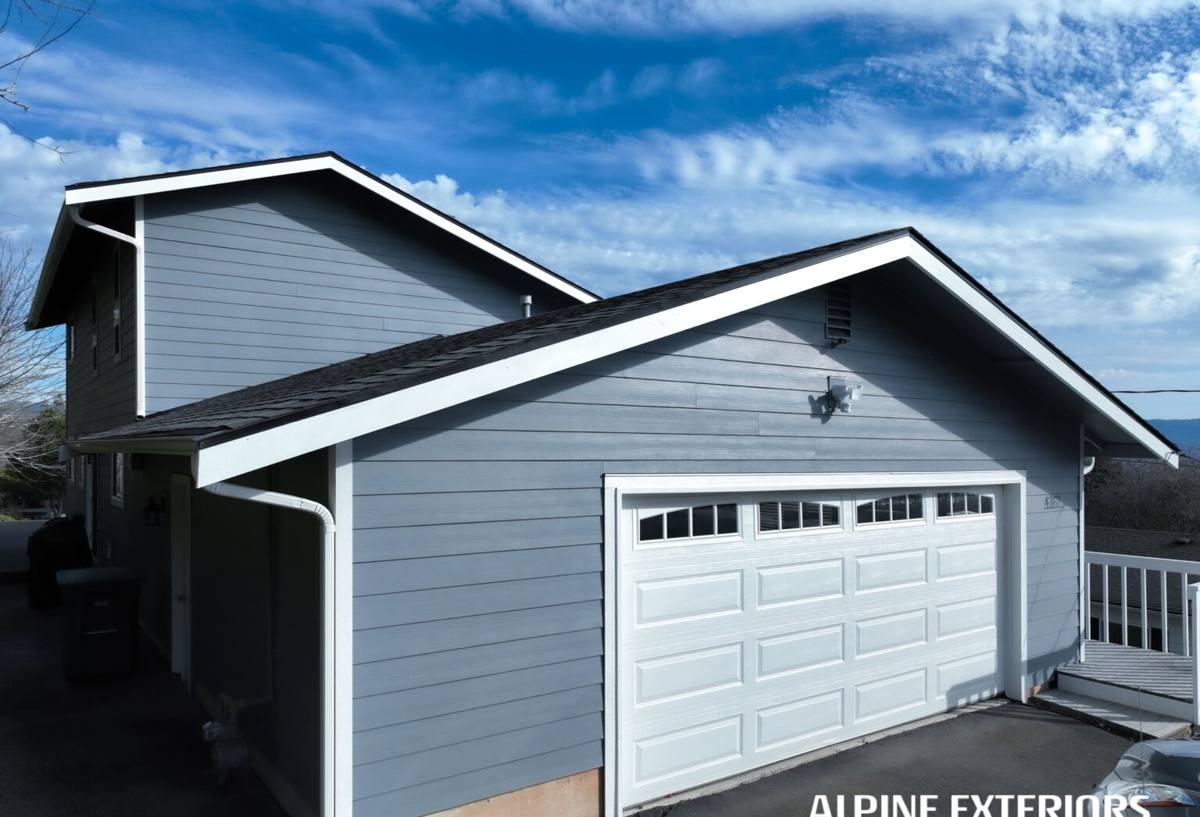
Signs a Columbia Home Needs a New Roof, Not Another Repair
Repairs make sense when a roof has isolated damage and years of usable life left. A full replacement makes sense when the underlying system — decking, underlayment, and flashing — has aged out or was compromised from the start. Some signs point clearly toward replacement:
- Granule loss heavy enough that you're finding shingle grit in gutters and downspouts
- Shingles that are curling, cupping, or cracking across multiple slopes, not just one spot
- Moss growth that keeps returning within a season or two of cleaning, even after treatment
- Soft spots or sagging when walked on, which usually means decking damage underneath
- Daylight visible through the roof deck from inside the attic
- Water stains on ceilings or in the attic that show up after wind-driven rain specifically
- A roof approaching or past 20–25 years old (for asphalt composition) with visible wear
- Multiple past repairs in different areas, suggesting the whole system is aging out together
If you're only seeing one or two of these and the roof is otherwise sound, a repair may be the honest answer — we'll tell you that during an inspection rather than push a replacement you don't need yet.
What a Correct Roof Installation Actually Involves
Tear-Off and Deck Inspection
Installing new roofing over old material hides problems instead of solving them. A correct job starts with a full tear-off down to the deck, because that's the only way to actually see what's happening underneath — soft or delaminated sheathing, past water damage, or ventilation gaps that have been quietly working against the roof for years. Any damaged decking gets replaced before anything new goes down; skipping this step is one of the most common shortcuts that leads to early failure.
Underlayment and Water Protection
In a region with as much driving rain as Whatcom County sees, underlayment isn't a formality — it's the roof's real waterproofing layer, since wind-driven rain can work its way under the primary roofing material at edges, valleys, and penetrations. Ice-and-water shield belongs at eaves, valleys, and around every roof penetration, not just where code minimums require it.
Flashing and Metal Details
Flashing around chimneys, skylights, vent pipes, and roof-to-wall transitions is where most leaks actually start, not in the open field of the roof. Given the salt air here, flashing metal choice and fastener quality matter more than they would inland — cheap fasteners corrode faster and can fail years before the roofing material around them does.
Ventilation
A roof deck that can't breathe traps moisture, and trapped moisture is exactly what feeds moss growth and accelerates deck rot from underneath. Balanced intake and exhaust ventilation is part of a correct installation, not an upsell — we size and place it based on the attic and roof geometry, not a one-size-fits-all vent count.
Roofing Material Options for a Columbia Home
There's no single "best" roofing material for every house — it depends on budget, roof pitch, architectural style, and how much long-term maintenance you're willing to take on. Here's how the common options stack up for a coastal Whatcom County property:
| Material | Typical Lifespan | Moss & Moisture Behavior | Salt Air / Coastal Notes |
|---|---|---|---|
| Asphalt composition shingle | 20–30 years | Prone to moss without algae-resistant granules; needs periodic cleaning | Fasteners and flashing metal quality matter more than the shingle itself |
| Metal (standing seam or panel) | 40–60 years | Sheds moisture fast; moss struggles to hold on a slick, sloped metal surface | Requires corrosion-resistant coatings and fasteners rated for coastal exposure |
| Synthetic composite (shake/slate look) | 30–50 years | Generally resists moisture absorption better than wood | Performs consistently regardless of salt exposure; less installer-sensitive than natural wood |
| Cedar shake | 20–30 years with upkeep | Absorbs moisture, which speeds moss colonization and rot without regular maintenance | Higher ongoing maintenance burden in a wet, salty coastal climate |
We'll install what fits your home and budget, but we're honest about trade-offs. Natural wood shake, for instance, looks great and has real appeal, but it's also the most maintenance-intensive option in a climate that stays damp for much of the year — that's a fair trade-off to walk through before you commit, not a reason to avoid it outright if you're prepared for the upkeep.
What Drives the Cost of a New Roof in Columbia
Every roof is priced based on its own specifics, but the factors that move the number up or down are consistent:
| Factor | Why It Matters |
|---|---|
| Roof size and number of stories | More square footage and harder access both add labor time |
| Roof pitch and complexity | Steep or cut-up roofs (multiple valleys, dormers) take longer and need more flashing detail |
| Material choice | Asphalt, metal, and synthetic materials carry different material and labor costs |
| Deck condition | Rotted or soft sheathing found during tear-off adds material and labor to replace |
| Ventilation upgrades needed | Bringing an under-ventilated attic up to a correct balance adds vent components and labor |
| Tear-off layers | Removing multiple existing roofing layers costs more than a single-layer tear-off |
We won't quote a number over the phone without seeing the roof — anyone who does is guessing, and that guess tends to grow once the crew is already on your roof. An in-person estimate lets us give you a real range based on your actual house.
Our Roof Installation Process
1. Inspection and Written Estimate
We walk the roof, check the attic for ventilation and moisture signs, and give you a written estimate that spells out materials, scope, and price — no verbal-only quotes.
2. Tear-Off and Deck Repair
Old roofing comes off, the deck gets inspected board by board, and any damaged sheathing is replaced before new material goes down.
3. Underlayment, Flashing, and Installation
Ice-and-water shield, underlayment, flashing, and the roofing material go on in the sequence and with the fastening pattern the manufacturer specifies — this is where corners get cut on rushed jobs, and where we don't cut them.
4. Ventilation Check and Final Details
Intake and exhaust ventilation gets verified as balanced, ridge and vent components go in, and every penetration gets checked for proper flashing.
5. Cleanup and Walkthrough
Magnetic sweep for stray nails, full debris cleanup, and a walkthrough so you know exactly what was done and what to expect going forward.
Why a Crew That Already Works in Columbia Matters
Roofing crews that mostly work drier, calmer regions and occasionally take a Whatcom County job don't always account for what this climate does to a roof over time — the moss cycle, the salt exposure, the sideways rain. A crew that works Columbia and the surrounding area regularly knows which flashing details actually hold up here, which ventilation setups keep moss from coming back, and which material choices are worth the extra cost versus which ones just add expense without adding durability.
Local experience also means faster response if something needs attention after installation, familiarity with the permitting process for this jurisdiction, and a crew that isn't learning the region's weather patterns on your roof for the first time.
After Installation: Keeping a New Roof Performing
A correctly installed roof still benefits from basic upkeep in this climate. Keep gutters clear so water isn't backing up under the roof edge, especially during fall leaf-drop and heavy rain stretches. Have moss growth addressed early rather than letting it establish, since removal gets harder and more damaging to the roofing surface the longer it sits. And keep an eye on attic ventilation — blocked soffit vents or insulation packed against roof vents can undo the moisture protection a correct installation was built to provide.
We stand behind our installation work, and manufacturer warranties on materials give you additional coverage on top of that — we'll walk you through exactly what's covered and for how long before any work starts, so there are no surprises later.
Ready for a Straightforward Estimate
If your Columbia home's roof is showing its age or you just want an honest read on where it stands, we're happy to take a look. There's no pressure and no games — just a clear inspection, a straight answer, and a written estimate you can take your time with. Use the form below to request your free estimate.