 Whatcom County
 Roof Replacement in Blaine: Built for the Border Coast
Blaine sits about as close to the water and the wind as a Whatcom County home can get. That location is part of what makes it a great place to live, and it's also exactly why roofs here wear out faster than the manufacturer's brochure suggests. Salt-laden air off the Strait of Georgia, near-constant winter rain, and a moss season that can run from October through May put a different kind of stress on a roof than you'd see even twenty minutes inland. A roof replacement in Blaine isn't just "put new shingles on an old house" — it's a job that needs to account for corrosion, moisture cycling, and biological growth from day one.
We work throughout Whatcom County, and Blaine roofs get their own set of considerations in our process. This page walks through what that actually means, so you know what to expect and what to ask any contractor bidding the job.
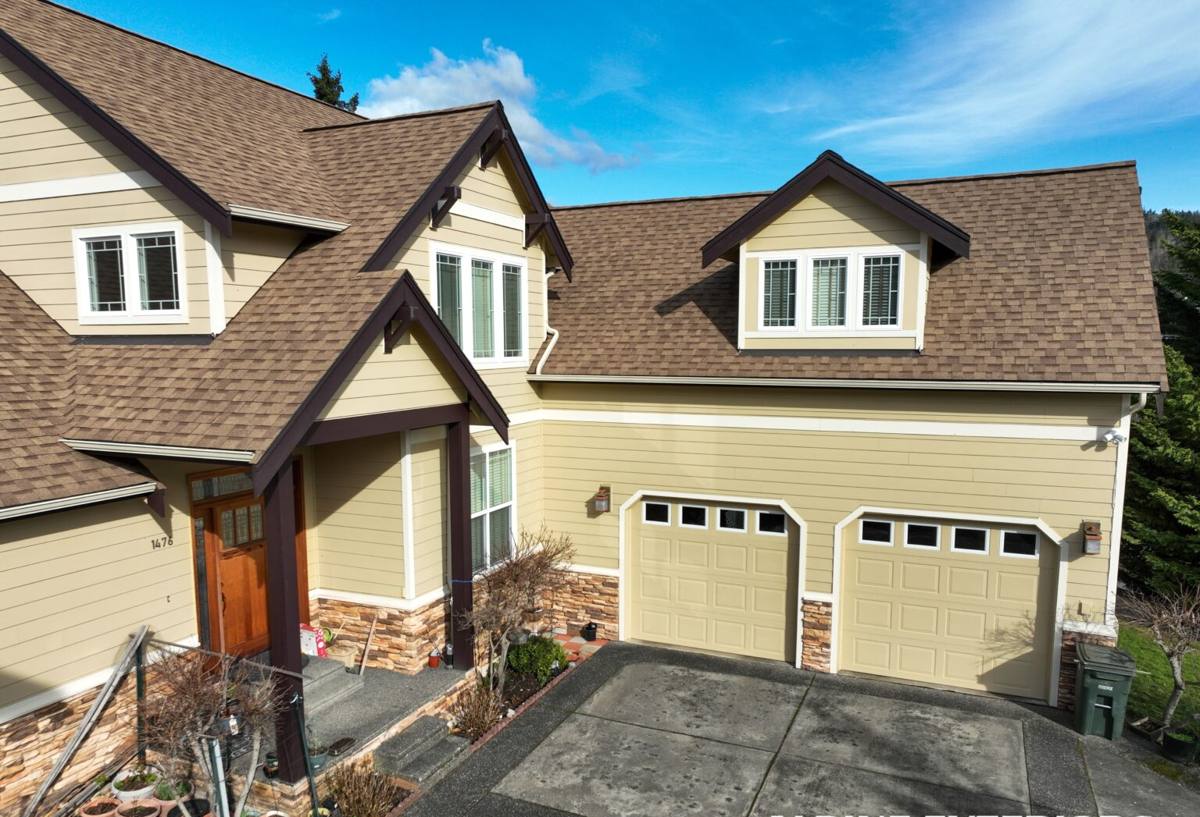
Why Blaine's Climate Is Hard on Roofs
Salt Air and Metal Fasteners
Homes near the water deal with airborne salt that accelerates corrosion on anything metal — nails, flashing, drip edge, and roof vents included. A roofing system that would hold up fine in Bellingham's more sheltered neighborhoods can show rust streaks and fastener failure years earlier in Blaine if the wrong materials were used. This is one of the most common issues we find on tear-offs near the coast: standard electro-galvanized fasteners that have started corroding well before the shingles themselves wore out.
Driving Rain and Wind-Driven Water
Blaine gets weather off the water, and that often means rain that isn't falling straight down — it's being pushed sideways into eaves, valleys, and wall-to-roof transitions. Underlayment and flashing details that are "good enough" in calmer conditions can let water find its way under the roof covering during a real Strait storm. Roof valleys, chimney flashing, and the transition where a roof meets a wall are the spots we pay the closest attention to on every Blaine job.
Moss, Shade, and a Long Wet Season
Whatcom County's wet season is long, and Blaine's mix of tree cover and marine humidity gives moss and algae plenty of time to establish themselves on north-facing slopes and shaded roof sections. Moss isn't just a cosmetic problem — it holds moisture against the roof surface, lifts shingle edges as it grows, and can shorten the life of the roofing material significantly if it's left unchecked.
What a Correct Roof Replacement Involves
A roof replacement done right in this climate is a system, not just a layer of shingles. Cutting corners on any one part of that system is usually what leads to the early failures we get called out to look at.
- Full tear-off and deck inspection — we don't roof over existing layers; every job starts with a clean deck so we can actually see and fix any rot or soft spots before they're covered up.
- Ice-and-water shield in vulnerable areas — valleys, eaves, and roof-to-wall transitions get a self-adhering waterproof membrane, not just felt paper, given how much wind-driven rain this area sees.
- Corrosion-resistant fasteners and flashing — near the water, standard fasteners aren't the right call; we spec materials rated for coastal/marine exposure.
- Proper attic and roof ventilation — balanced intake and exhaust venting keeps moisture from condensing inside the roof assembly, which matters as much as keeping rain out.
- Algae-resistant shingle options — many manufacturers now offer shingles with copper or zinc granules built in specifically to slow moss and algae growth, which is worth discussing for shaded or north-facing roof planes.
- Clean, code-compliant flashing details at every penetration — vents, chimneys, skylights — since these are the most common points of failure on any roof, coastal or not.
Choosing Roofing Materials for Blaine Homes
There's no single "best" roofing material for every home, but here's how the common options stack up against Blaine's specific conditions.
| Material | How It Handles Salt Air | How It Handles Moss/Moisture | Typical Lifespan Here |
|---|---|---|---|
| Architectural asphalt shingles | Good, with corrosion-resistant fasteners and flashing | Algae-resistant (AR) versions recommended for shaded roofs | 20-30 years |
| Standing seam metal | Requires coastal-rated coatings and fasteners; otherwise a real risk | Sheds moisture and moss well due to smooth, steep-pitch-friendly surface | 40-50+ years |
| Cedar shake | Weathers naturally but needs regular maintenance near salt air | More prone to moss retention; needs periodic treatment | 20-30 years with upkeep |
| Composite/synthetic shingles | Generally resistant to corrosion issues (non-metal core) | Varies by product; look for algae-resistant formulations | 30-50 years |
For most Blaine homeowners, a quality architectural asphalt shingle with algae-resistant granules and marine-grade flashing hits the right balance of cost, durability, and appearance. Metal is a strong option if the budget allows and the home's style fits it, but only when it's specified and installed with coastal exposure in mind — not treated the same as a metal roof going in twenty miles inland.
Signs a Blaine Roof Needs Replacing, Not Patching
Not every roof problem calls for a full replacement, but there's a point where repeated repairs stop making financial sense. Signs worth taking seriously include:
- Granule loss heavy enough that shingles look bald or patchy, especially on south- and west-facing slopes exposed to sun and wind
- Moss buildup that's lifting shingle edges rather than just sitting on the surface
- Rust staining running down from flashing, vents, or fasteners
- Soft spots or sagging when walking the roof, which usually points to deck damage underneath
- Daylight visible through the attic or staining on interior ceilings after storms
- A roof approaching or past 20-25 years old with multiple past repairs already on record
If you're only seeing one or two of these and the roof is otherwise sound, a repair or a moss treatment and maintenance plan may be the more honest answer — we'll tell you that if it's true.
Our Process for a Blaine Roof Replacement
1. On-Site Inspection and Honest Assessment
We walk the roof, check the attic for ventilation and moisture issues, and look at flashing, valleys, and any trouble spots specific to the home's exposure to wind and water. You get a straight answer on whether replacement is actually needed.
2. Written Estimate
You'll get a clear, itemized estimate covering materials, tear-off, underlayment, flashing, ventilation work, and cleanup — no vague lump-sum guessing. We'll walk through material options and trade-offs so you're choosing based on real information.
3. Scheduling Around Whatcom County Weather
Roofing in this area means working around real rain windows, not ignoring them. We plan tear-off and dry-in to happen quickly and won't leave a roof deck exposed overnight if weather is closing in.
4. Tear-Off, Deck Repair, and Installation
Full removal of old roofing, deck inspection with repairs as needed, then installation following manufacturer specifications for the chosen material — including the underlayment, flashing, and fastener choices discussed above.
5. Final Walkthrough
We review the finished roof with you, confirm ventilation and flashing details, and make sure you understand any maintenance recommendations, like moss treatment scheduling, going forward.
Cost Factors for a Blaine Roof Replacement
Roof replacement costs vary based on a number of factors, and anyone quoting a number without seeing your roof is guessing. Here's what actually drives the price:
| Factor | Why It Matters |
|---|---|
| Roof size and number of planes | More square footage and more valleys/hips mean more material and labor |
| Pitch and access | Steep or hard-to-access roofs take longer and require more safety setup |
| Deck condition | Rot or soft decking found during tear-off adds repair cost, but skipping it isn't an option |
| Material choice | Asphalt, metal, and cedar carry different material and labor costs |
| Ventilation and flashing upgrades | Bringing older venting or flashing up to current standards adds cost but reduces future problems |
| Layers of existing roofing | Multiple old layers mean more tear-off labor and disposal |
Rather than quote a broad range that doesn't mean much without seeing your specific roof, we'll give you real numbers after the inspection — and explain exactly what's driving them.
Why a Crew That Already Works Blaine Matters
Roofing crews that mainly work drier, more sheltered parts of Whatcom County can miss things that matter here — under-spec'd flashing, standard fasteners in a salt-air environment, or ventilation plans that don't account for how much moisture this area actually deals with. A crew that regularly works Blaine and the county's coastal communities knows to check these details without being asked, because we've seen what happens when they're skipped. That familiarity also means realistic scheduling around actual local weather patterns, not generic assumptions.
Get a Free Estimate
If your Blaine roof is showing its age, dealing with persistent moss, or just due for an honest inspection, we're glad to take a look. The estimate is free, there's no pressure, and you'll get a straightforward assessment of what your roof actually needs — whether that's a full replacement or something less. Fill out the form below to get started.