 Whatcom County
 Window Installation in Sehome: What the Local Climate Actually Demands
Sehome sits close enough to the water and to Bellingham Bay's weather patterns that homes here take a specific kind of beating: salt-laden air that corrodes hardware and finishes faster than it does further inland, driving rain that comes in sideways during winter storms, and a long, damp moss season that keeps everything shaded and slow to dry for months at a time. Windows are one of the first parts of a house to show the effects. A window that was installed correctly but with the wrong materials, or installed with the right materials but sloppy flashing, will fail in different ways — but both will fail here faster than they would in a drier, calmer climate.
This page is about window installation specifically, in Sehome specifically. Not a general "why replace your windows" pitch — the actual mechanics of doing it right in a Whatcom County coastal-influenced neighborhood, what goes wrong when it's done wrong, and what our process looks like when we come to a Sehome home.
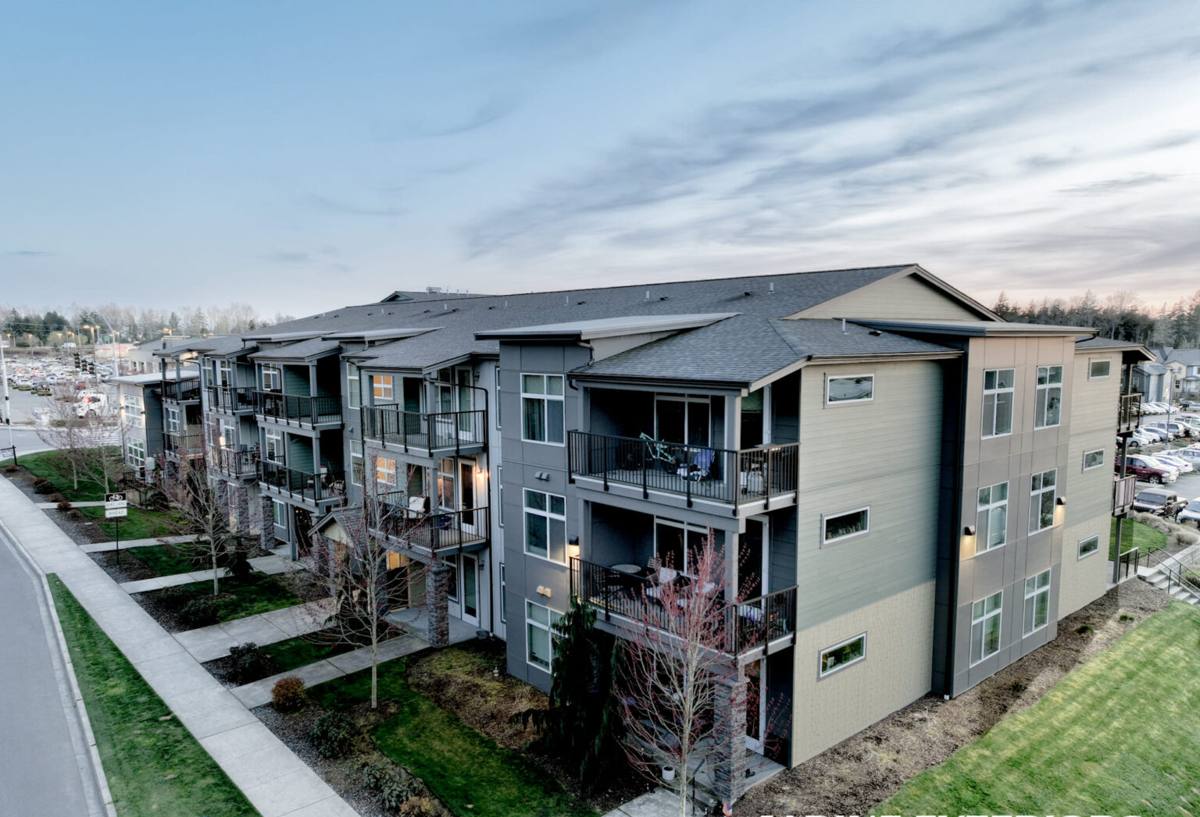
What Salt Air, Driving Rain, and Moss Season Do to Windows Over Time
Salt Air
Salt in the air settles on window hardware, aluminum cladding, and exposed fasteners. Over years it accelerates corrosion on hinges, locks, and screws — especially anything not rated for coastal exposure. It also degrades some sealants and finishes faster than manufacturers' standard warranty testing assumes, because that testing is rarely done in marine-influenced air.
Driving Rain
Wind-driven rain doesn't just hit a window head-on — it gets pushed sideways and upward into any gap in the flashing or sealant. A window that would stay dry in a calm rain can leak in Whatcom County's storm pattern if the flashing details around the rough opening weren't built to shed water that's moving at an angle, not straight down.
Moss and Prolonged Dampness
Shaded, tree-lined lots common in Sehome stay damp longer after a rain than open, sunny lots. Moss and algae growth around window trim and sills isn't just cosmetic — it holds moisture against wood trim and caulk lines, which shortens the life of both and can hide early rot before it's visible from a normal walk-around.
Signs a Sehome Home Needs Window Installation, Not Just a Repair
Not every window problem means full replacement, but a few signs reliably point that direction rather than toward a caulk-and-patch fix:
- Fogging or condensation between panes on double-pane windows — the seal has failed and can't be repaired
- Soft or discolored wood trim around the window frame, especially at the bottom sill
- Visible gaps between the window frame and siding that let daylight or a draft through
- Windows that are difficult to open, close, or lock — often a sign the frame has shifted or swollen
- Persistent moss or black staining at the base of the window that returns shortly after cleaning
- Noticeably higher heating bills with no other explanation, especially in older single-pane windows
- Paint that bubbles or peels specifically around window trim while holding fine elsewhere on the siding
What a Correct Window Installation Actually Involves
The window unit itself is usually the easy part. What separates a window that lasts twenty-plus years in this climate from one that leaks in three is almost entirely in the details most homeowners never see once the trim goes back on.
The Rough Opening and Flashing
Before a new window goes in, the rough opening needs to be checked for rot, squared up if it's out of level, and flashed correctly — meaning a proper drainage plane that directs any water that gets past the window itself back out and away from the wall assembly, not into it. This is the single most common place corners get cut on a rushed installation, and it's the place that causes the most expensive damage later.
Sealing and Weatherproofing
Sealant has to go in the right layers, in the right order, using products rated for the exposure — not just caulked around the outside trim and called done. In a driving-rain climate, the sealing sequence at the head, jambs, and sill each do different jobs, and skipping the sill pan or using the wrong tape can undo the benefit of an otherwise good window.
Insulation and Air Sealing
The gap between the window frame and the rough opening needs to be insulated without over-packing it, which can bow the frame and cause operating problems. Air sealing here also matters for energy performance — a well-sealed window install noticeably reduces drafts in older Sehome homes with original single-pane windows.
Trim and Finish Work
Exterior trim needs to be back-primed and sealed on all sides before installation, not just painted after the fact. In a moss-prone, shaded environment, unfinished or improperly sealed trim is where rot starts first.
Window Materials and Types: What Holds Up in This Climate
There's no single "best" window material for every home — it depends on the home's age, style, budget, and exposure. Here's how the common options compare for a Whatcom County coastal-influenced setting like Sehome:
| Material | Moisture & Salt Air Performance | Maintenance | Typical Fit |
|---|---|---|---|
| Vinyl | Good — won't rot or corrode; UV can affect color over many years | Low — occasional cleaning | Most homes; best value for straightforward replacement |
| Fiberglass | Very good — dimensionally stable, resists moisture and salt exposure well | Low | Homes wanting a longer-term, higher-end replacement |
| Wood (unclad) | Requires diligent upkeep — most vulnerable to moss-season dampness | High — regular painting/sealing | Historic or period-accurate homes where appearance is a priority |
| Wood-clad (aluminum or vinyl exterior) | Good — exterior shell protects the wood core from weather | Moderate | Homes wanting a wood interior look with less exterior upkeep |
| Aluminum | Fair — prone to condensation and corrosion near salt air unless thermally broken | Moderate | Less common for residential replacement in this climate |
For most Sehome homes, we steer clients toward vinyl or fiberglass for straightforward replacements, and wood-clad when the look of the original window matters and the budget supports it. We're upfront when a homeowner is set on an unclad wood window about the maintenance commitment it takes to keep it performing well in a shaded, damp lot — that's a real trade-off, not a sales objection to talk someone out of.
Our Window Installation Process
- On-site assessment. We look at each window's exposure, the condition of the existing framing, and any signs of past water intrusion before quoting anything.
- Product selection. We walk through material and glass options based on the home's style, the window's sun and rain exposure, and budget — no upselling to a product the house doesn't need.
- Opening prep. Old windows come out carefully to check the rough opening for hidden rot or past water damage, which gets addressed before anything new goes in.
- Flashing and installation. Proper drainage plane, flashing, and sill pan work happens before the window is set — this is where we spend the time other crews skip.
- Sealing and insulation. Interior and exterior sealing, insulation of the gap, and air sealing to current best practice for this climate.
- Trim and finish. Exterior trim is back-primed, sealed, and finished to shed water and resist moss growth at the joints.
- Final walkthrough. Every window is opened, closed, and checked for a tight seal before we consider the job done.
What Affects Window Installation Cost in Sehome
We don't publish fixed prices because window installation cost depends on real variables specific to each home — but here's what actually drives the number up or down:
| Factor | Why It Matters |
|---|---|
| Window count and size | More openings and larger units mean more material and labor |
| Material choice | Vinyl is typically the most budget-friendly; fiberglass and wood-clad cost more upfront |
| Rough opening condition | Hidden rot or framing damage found during removal adds repair work before the new window goes in |
| Glass package | Double vs. triple pane, low-E coatings, and impact-resistant glass all shift cost |
| Access and height | Second-story or hard-to-reach windows take more time and equipment |
| Trim and siding tie-in | Matching existing trim profiles or repairing surrounding siding adds scope |
Broad range: straightforward vinyl replacement windows in an average home typically run from the low thousands per window installed complete, with higher-end materials, larger openings, or hidden repair work pushing that higher. We give a firm number after seeing the actual openings — not a phone estimate.
Why a Crew That Already Works Sehome and Whatcom County Matters
Window installation done wrong doesn't usually fail on day one — it fails two or three winters later, after several cycles of driving rain and moss season have worked their way into a flashing detail that wasn't quite right. A crew that installs windows across Whatcom County regularly has already seen how that failure shows up here specifically, and builds for it up front instead of learning it on a callback.
That local experience shows up in small decisions: which sealant products actually hold up to sustained damp exposure instead of just a lab test, how much slope a sill pan needs given our rain patterns, and where moss buildup is likely enough around a given trim detail that it's worth designing the joint to shed water more aggressively. None of that is exotic — it's just familiarity with how this specific climate treats a window over years, not weeks.
Maintaining New Windows Through Whatcom County's Wet Season
- Rinse salt residue and grime off exterior frames and hardware a few times a year, especially after storms
- Keep gutters and downspouts clear so water isn't sheeting down across window trim
- Trim back vegetation that keeps window trim shaded and slow to dry
- Check and re-caulk any hairline gaps in exterior sealant before winter storm season
- Wipe down interior sills periodically to catch condensation before it sits long enough to damage wood or paint
If you're weighing window replacement for a Sehome home — whether it's a single problem window or a full-house update — we're happy to come take a look and give you a straight, no-pressure estimate. There's a form below to get that started.