 Whatcom County
 Roof Replacement Built for South Hill's Weather
South Hill sits above Bellingham Bay, which is exactly why homes here take a beating that flatter, more sheltered parts of Whatcom County don't see as badly. You've got salt-laden air coming off the water, wind-driven rain that doesn't just fall straight down but gets pushed sideways under shingle edges and around flashing, and a mossy, shaded season that runs longer than most homeowners expect. A roof replacement done right in this neighborhood isn't the same job as one done twenty minutes inland, and it shouldn't be priced or built like one.
This page covers what a proper roof replacement looks like for a South Hill home specifically: what the local climate does to roofing systems over time, what a correct tear-off and install actually involves, what materials hold up here, and why working with a crew that already knows this neighborhood's housing stock and weather pattern matters more than picking the cheapest bid.
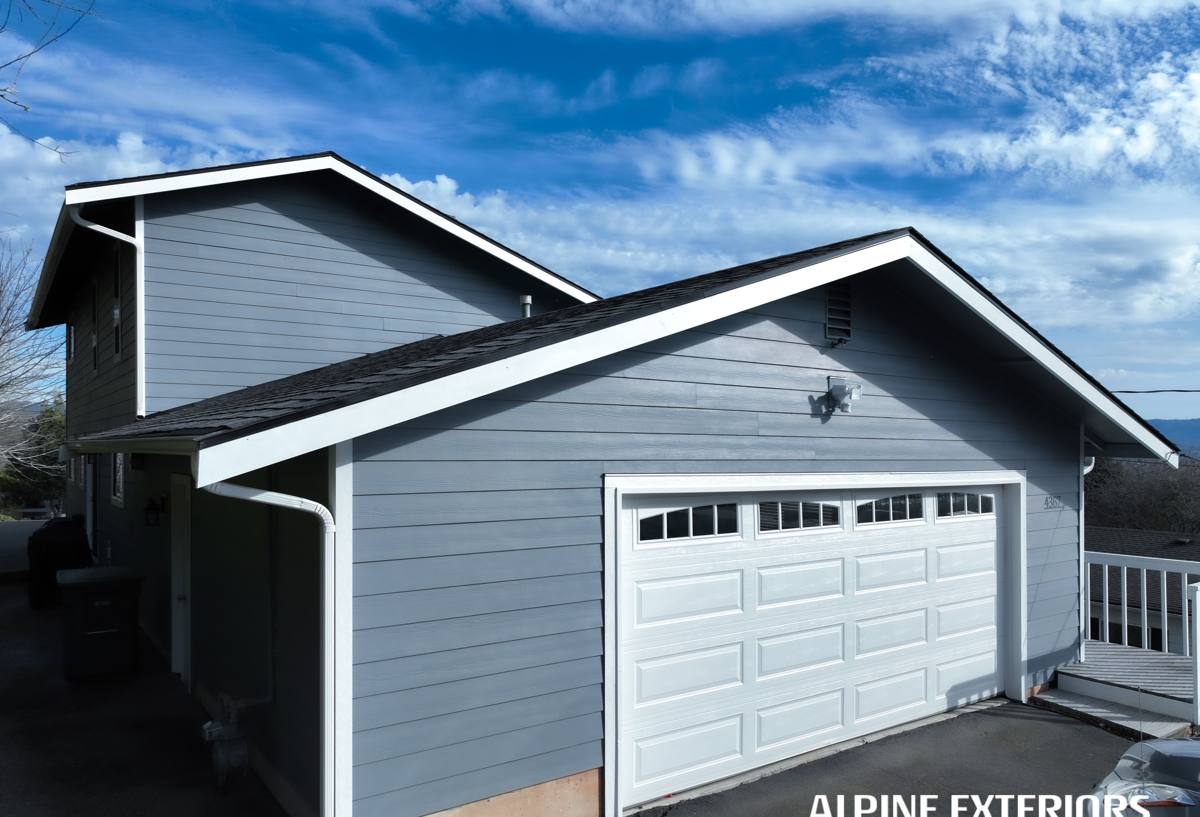
Why South Hill Roofs Age Differently
Salt Air and Metal Fatigue
Homes closer to the bay see accelerated corrosion on exposed metal — flashing, fasteners, vents, and gutter hardware all age faster near saltwater than they do a few miles inland. Cheap or under-spec'd metal components are usually the first thing to fail on a bay-adjacent roof, well before the shingles themselves are worn out.
Driving Rain and Wind Exposure
Elevation and open exposure toward the water mean South Hill catches wind-driven rain that pushes water uphill under shingle laps and around penetrations instead of simply running downhill and off the edge. A roofing system built for calmer, more sheltered lots doesn't always hold up to that kind of lateral pressure — underlayment choice and flashing detail matter more here than they would on a flat, tree-sheltered lot.
Moss, Shade, and Moisture Retention
Whatcom County's long wet season, combined with mature tree cover common in older South Hill neighborhoods, gives moss and algae a long window to establish on north-facing and shaded roof slopes. Moss doesn't just look bad — it holds moisture against the roofing surface, lifts shingle edges as it grows, and shortens the usable life of the roof underneath it if it's left unmanaged.
Signs It's Replacement Time, Not Another Repair
Not every roof problem calls for a full replacement, and a straight contractor will tell you that. But there's a point where patching keeps costing money without solving anything. Signs it's time to stop repairing and start planning a replacement include:
- Granule loss heavy enough that you're finding shingle grit in gutters and downspouts every season
- Multiple past repairs in different areas of the roof rather than one isolated problem spot
- Soft or spongy decking felt underfoot, or sagging visible from the ground
- Persistent moss regrowth even after cleaning, especially on shaded north- and east-facing slopes
- Daylight visible through the attic or staining on interior ceilings and walls
- A roof already past or close to the end of its material's expected service life
- Curling, cracking, or missing shingles concentrated on the side of the house exposed to prevailing wind and rain
If you're only seeing one or two isolated issues, a repair may genuinely be the right call — we'll say so. A replacement makes sense when the underlying roofing system, not just the surface layer, is compromised.
What a Correct Roof Replacement Actually Involves
A roof replacement is more than swapping old shingles for new ones. Done right, especially in a climate like this one, it includes several layers that each do a specific job:
Full Tear-Off and Deck Inspection
We remove the old roofing down to the deck rather than layering over it. That's the only way to actually see what condition the plywood or plank decking is in underneath — moisture damage and soft spots hide under old shingles and won't show up until the roof is opened up. Any damaged decking gets replaced before anything new goes down.
Underlayment Suited to Wet, Windy Exposure
The underlayment is the roof's backup waterproofing layer, and on an exposed, rain-driven lot it's doing real work, not just serving as a formality. We use synthetic or ice-and-water-shield-style underlayment in the areas most exposed to wind-driven moisture — eaves, valleys, and around penetrations — rather than the bare minimum a manufacturer's warranty technically requires.
Flashing and Penetration Detail
Chimneys, vents, skylights, and roof-to-wall transitions are where most leaks actually start, not in the open field of shingles. Flashing has to be formed and layered correctly, not just caulked over, especially where wind-driven rain can get pushed uphill under a poorly lapped edge.
Ventilation
A roof that can't breathe traps moisture in the attic, which speeds up decking rot and can void shingle warranties outright. Balanced intake and exhaust ventilation is part of a correct install, not an upsell — it's what keeps the new roof performing the way the material is rated to.
Moss-Resistant Detailing Where It Makes Sense
On shaded slopes prone to regrowth, zinc or copper strip installation near the ridge is a straightforward, low-maintenance way to reduce future moss establishment without relying on the homeowner to remember an annual cleaning.
Material Options for Whatcom County Homes
There's no single "best" roofing material — the right choice depends on your home's exposure, roof pitch, budget, and how much long-term maintenance you're willing to take on. Here's how the common options compare for a South Hill property specifically:
| Material | Moisture & Moss Behavior | Maintenance | Typical Lifespan |
|---|---|---|---|
| Architectural asphalt shingle | Good with proper underlayment and ventilation; moss-resistant algae-guard granules available | Low to moderate — periodic moss check on shaded slopes | 25–30 years |
| Standing seam metal | Sheds water and moss very well; requires marine-grade fasteners and coatings near the bay to resist salt corrosion | Low | 40–50+ years |
| Cedar shake | Attractive but holds moisture longer and is more moss-prone in shaded, wet conditions without diligent upkeep | High — regular treatment and cleaning | 20–25 years with upkeep |
| 3-tab asphalt shingle | Lower wind resistance than architectural shingles; less ideal for exposed, wind-driven lots | Moderate | 15–20 years |
For most South Hill homes, we lean toward architectural asphalt with algae-resistant granules or standing seam metal with corrosion-rated hardware, depending on budget and roof style. We'll walk through the honest trade-offs for your specific house rather than defaulting to whatever's easiest to install.
Our Roof Replacement Process
- On-site inspection. We look at the current roof, attic ventilation, decking condition where visible, and the specific exposure your lot has to wind and rain.
- Written estimate. A clear scope of work and price — what's being torn off, what underlayment and materials are going on, and what happens if we find decking damage once we open it up.
- Scheduling around the weather. Roof tear-offs need a dry window. In Whatcom County that means planning carefully rather than starting a job and hoping the forecast holds.
- Tear-off and deck assessment. Old roofing comes off, decking gets inspected and repaired as needed, with photos and a heads-up before any additional work is added.
- Underlayment, flashing, and material installation. Built in the order that actually keeps water out, not just the order that's fastest.
- Cleanup and final walkthrough. Site cleared of debris and nails, and we walk the finished roof with you before calling the job done.
Why a Local South Hill Crew Matters
Roofing crews that work all over Western Washington aren't wrong to do so, but there's a real advantage to hiring people who are regularly in this specific neighborhood. A crew that already works South Hill knows which streets sit fully exposed to bay wind versus which are more sheltered by tree cover, has a feel for how the older homes common to this part of Bellingham are typically framed and decked, and isn't guessing at permit and inspection expectations for the city. That familiarity shows up in fewer surprises mid-job and a roofing system that's actually specified for the conditions your house sits in, not a generic install.
It also matters for accountability. A local crew has a reputation in this community to protect and is easy to reach if a question comes up after the job is done — not a call center three states away.
What Affects the Cost of a Roof Replacement
Every roof is priced individually, but the factors that move the number up or down are consistent. In broad terms, a full tear-off and replacement on an average single-family home typically falls somewhere in the low-to-mid five figures, with the specifics below determining where in that range a given job lands.
| Factor | Why It Matters |
|---|---|
| Roof size and pitch | Steeper roofs take longer, need more safety setup, and use more material per square foot of coverage |
| Number of existing layers | Tearing off multiple old layers costs more in labor and disposal than a single-layer tear-off |
| Decking condition | Rotted or soft decking found during tear-off needs replacement before new roofing goes down |
| Material choice | Asphalt, metal, and cedar carry different material and installation costs |
| Roof complexity | Valleys, dormers, chimneys, and skylights all add flashing work and labor time |
| Access and site conditions | Steep lots, limited driveway access, or difficult staging areas can add setup time |
After Your Roof Is Replaced: Keeping It in Shape
A correctly installed roof still benefits from basic upkeep, especially in a climate that grows moss on nearly anything left shaded and damp long enough. A short seasonal checklist:
- Clear gutters and downspouts at least twice a year, more often under heavy tree cover
- Do a visual check after major windstorms for lifted or missing shingles
- Keep overhanging tree branches trimmed back to reduce shade and debris buildup on the roof surface
- Watch shaded, north-facing slopes for early moss regrowth and address it before it spreads
- Check attic ventilation isn't blocked by insulation or debris
- Have flashing around chimneys and vents visually checked every couple of years
None of this replaces professional inspection, but it catches small issues before they turn into the kind of damage that shortens a roof's life well before its material warranty runs out.
If your South Hill roof is showing its age, or you just want a straight answer on whether repair or replacement makes more sense for your house, we're glad to come take a look. The estimate is free, there's no pressure, and you'll get a clear, honest scope before you decide anything.